Orangerie ® MärchenRosen® – KORgeriora
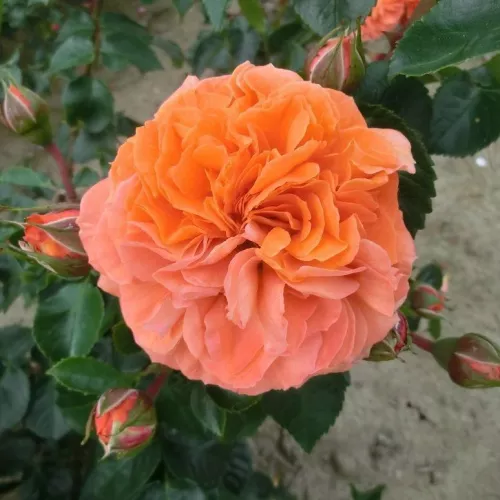
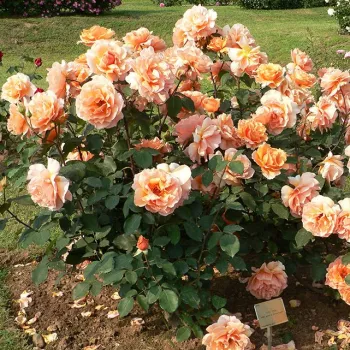
Effortless to care for yet richly ornamental, Orangerie ® brings compact structure, dense dark-green foliage and glowing orange clusters of rosette blooms to small British gardens, coping well with breezy, rain-lashed conditions near the coast while keeping its ADR-level health. Its upright, bushy habit fits neatly into front gardens, low borders and containers, where the soft, fruity fragrance and long flowering season add consistent interest from early summer to autumn. As an own-root rose it settles in securely, building roots in the first year, stronger framework in the second, and full, reliable display by the third, offering lasting stability and an easy-going presence for busy households.
Usage options
| Target area | Reasoning |
|---|
| Front garden focal bush |
The compact, upright habit and controlled spread make Orangerie ® ideal beside paths, gates or drives where space is limited but impact matters. Its naturally tidy structure keeps the outline clean with only light annual shaping – a reassuring choice for beginners. |
| Small bed or low border |
Clusters of vivid orange, medium-sized rosette blooms create a strong block of colour in mixed or pure-rose beds without overpowering nearby plants. Dense canopy and moderate height give a well-filled look, supporting a neat, cottage-style border for style-conscious homeowners. |
| Urban terrace or balcony containers |
The bushy, non-leggy growth and manageable size work very well in large containers of at least 40–50 litres. Kept regularly watered, it flowers generously on patios and balconies, delivering a long season of colour with few tasks for busy city gardeners. |
| Low-maintenance family planting |
ADR-level disease resistance and low maintenance needs mean little spraying or specialist care, even in damper UK summers. Occasional deadheading and a simple winter prune are enough to keep it flowering freely, making rose growing straightforward for time-poor families. |
| Sunny cottage-style mixes |
Stable, sun-resistant orange colouring combines beautifully with perennials like coneflowers and asters, bringing consistent warmth through the season. The generous remontant flushes keep borders lively without complex succession planning, suiting cottage-garden enthusiasts. |
| Heat‑exposed front beds |
Good heat tolerance and reliable flowering suit south- or west-facing positions against walls or near paving, where some roses struggle. Regular watering in prolonged dry spells is usually sufficient to maintain healthy foliage and colour for practical homeowners. |
| Long-term structural planting |
As an own-root plant, Orangerie ® forms a durable bush that recovers well from pruning and weather damage, building a stable framework over the years. This longevity supports long-term garden plans and reduces replacement needs for forward‑planning gardeners. |
| Coastal or exposed gardens |
The dense, slightly glossy foliage and robust framework cope well with wind and driving rain, holding both leaves and flowers respectably in unsettled weather, a reassuring trait when planting in open or breezy sites favoured by seaside gardeners. |
Styling ideas
- Cottage Glow – Combine Orangerie ® with coneflowers and dwarf asters for a warm, village-garden feel, relying on its compact structure and strong colour block – ideal for lovers of traditional cottage borders.
- Front-Door Welcome – Plant a pair in generous containers by the entrance, using its neat habit and reliable flowering to frame the doorway – perfect for homeowners wanting an inviting, low-maintenance approach.
- Sunset Ribbon – Line a short path or driveway with a loose row, spacing for a low hedge effect that stays tidy with minimal pruning – suited to families seeking order without formality.
- Urban Jewel – Slot Orangerie ® into a small city bed with ornamental grasses and lamb’s ear, where its ADR-level health and dense foliage keep the picture smart – great for busy urban gardeners.
- Season-Long Accent – Use one or three plants as a colour anchor in a mixed border, letting the remontant clusters provide continuity while perennials change around them – appealing to planners of long-view gardens.
Technical cultivar profile
| Parameter | Data |
|---|
| Name and registration |
Floribunda bed rose, registered as KORgeriora, marketed as Orangerie ® MärchenRosen®. Exhibition floribunda type, bush form; premium gold cultivar authenticity verified for consumer garden use. |
| Origin and breeding |
Bred by Tim-Hermann Kordes at W. Kordes, Germany, from unknown parentage. Bred 2006, introduced and registered in 2016, continuing the MärchenRosen® line of compact, healthy garden floribundas. |
| Awards and recognition |
ADR-qualified in 2016 for health and garden performance; decorated with awards at Baden-Baden, Kortrijk, Hradec and Glasgow, confirming excellent ornamental value and reliability in varied climates. |
| Growth and structural characteristics |
Upright, compact bush 80–105 cm high and 50–70 cm wide with dense, slightly glossy dark-green foliage. Moderately thorny shoots; weak self-cleaning means spent blooms usually need removing by hand. |
| Flower morphology |
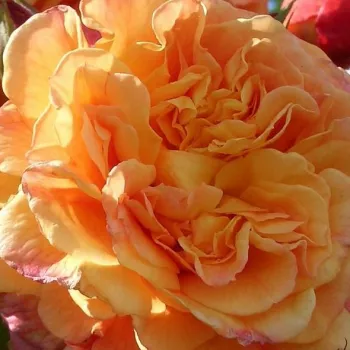
Medium-sized, very double rosette blooms with over 40 petals, carried in clusters on short stems. Remontant flowering pattern with a generous second flush and good garden coverage across the season. |
| Colour data and phenology |
Strong, uniform orange flowers, ARS OB, RHS 28B outer, 30B inner. Buds medium orange, maturing to intense rosettes that hold colour in full sun before softening gently towards peach-orange tones. |
| Fragrance and aroma |
Soft, fruity fragrance of mild strength, noticeable at close quarters without overwhelming nearby seating areas. Very double blooms hide stamens, so ornamental value outweighs attraction for pollinating insects. |
| Hip characteristics |
Occasional small, spherical hips 10–14 mm in diameter form after flowering, ripening to a bright red that adds a modest decorative touch in late season without dominating the plant’s overall appearance. |
| Resistance and winter hardiness |
ADR-level health with resistance to powdery mildew, black spot and rust. Hardy to around −26 to −23 °C (RHS H7, USDA 5b, Swedish zone 4), suitable for most UK regions including colder inland areas. |
| Horticultural recommendations |
Best in full sun, in borders, mixed beds or large containers. Plant 35–65 cm apart depending on use; ensure well-drained soil, regular watering in dry spells, and simple annual pruning to maintain shape. |
Orangerie ® MärchenRosen® offers compact structure, vivid orange clusters and dependable health on a long-lived own-root framework, making it a thoughtful choice if you want lasting colour with straightforward care.