ORANGE SENSATION ® – orange-red bedding floribunda rose - De Ruiter
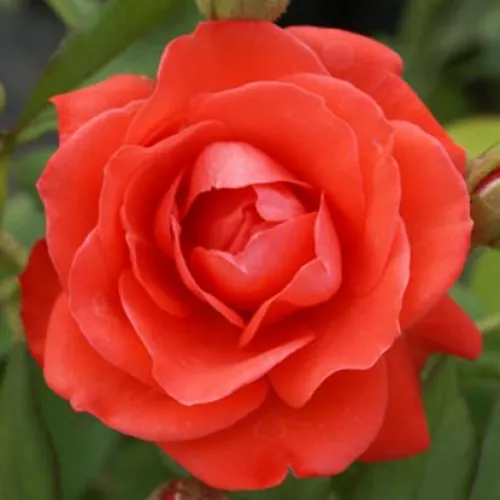
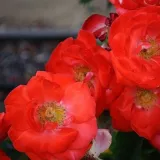
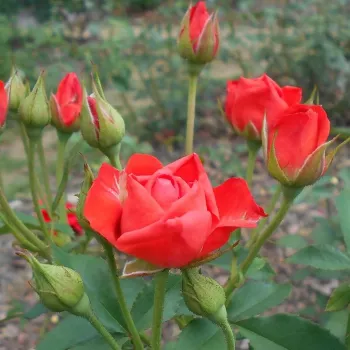
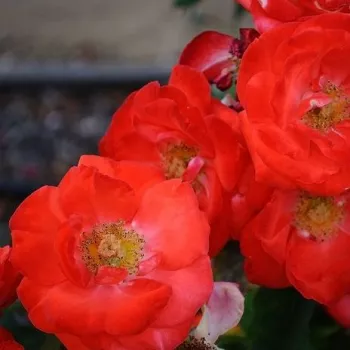
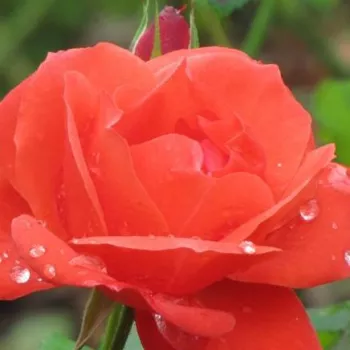
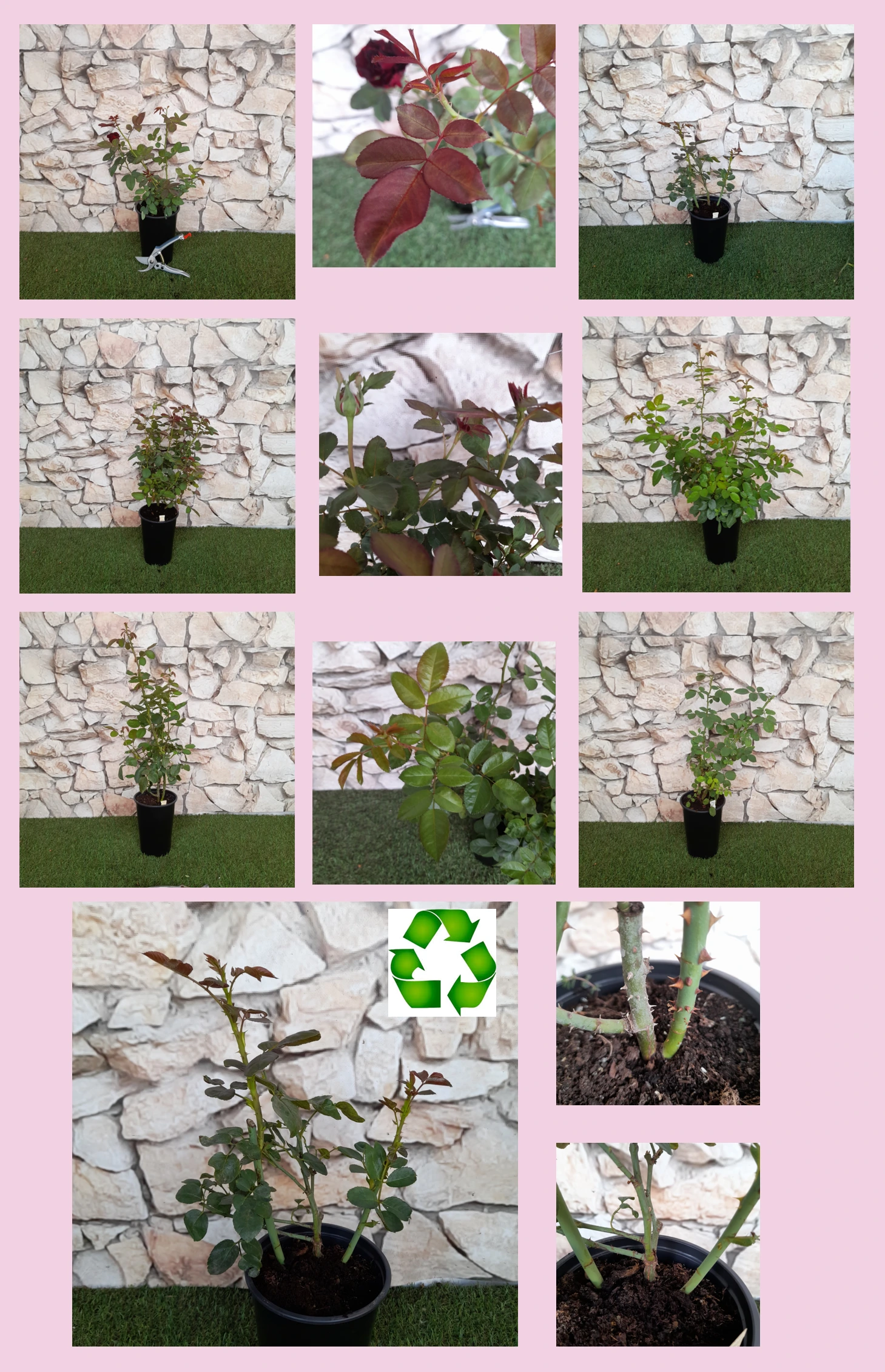
This classic floribunda brings a burst of colour to family gardens, flowering in generous clusters of warm orange-red that stay vivid even in strong sun and coastal gardens with brisk wind and rain. Its compact, bushy habit and dense, glossy foliage create a tidy look that suits front plots, edging and small beds where you want impact without complication. Medium, semi-double blooms appear repeatedly from early summer, giving reliable display across the season with only moderate deadheading. As an own-root plant, it builds a strong base that supports long-term lifespan and easy renewal from the crown if stems are ever damaged. In its first year it concentrates on roots, in the second on shoots, and by the third offers full ornamental value with stable, even coverage. Ideal for beginners and time-pressed gardeners seeking straightforward, long-lasting rose performance.
Usage options
| Target area |
Reasoning |
| Front garden bedding strip along the path |
The compact, bushy growth stays within 80–110 cm, forming a neat, low hedge-like line that does not overwhelm a small frontage. Dense dark-green foliage hides bare soil and frames the bright flowers, keeping the entrance looking cared-for with minimal shaping – ideal for beginners. |
| Small mixed cottage border |
Clusters of orange-red blooms repeat through the season, providing reliable flowering that weaves naturally among perennials and cottage favourites without needing complex pruning. The semi-double, medium-sized flowers offer texture and colour highlights that carry the border visually between perennial peaks – reassuring for busy-owners. |
| Urban family garden around patio or seating area |
The medium, clearly noticeable fruity fragrance creates gentle scent near seating without being overpowering, while the stable shrub form is easy to manage in tight spaces. Regular, but not excessive, deadheading keeps the plant fresh-looking for daily use spaces, suiting city-gardeners. |
| Low maintenance edging for drives and paths |
Medium self-cleaning means many spent blooms fall or fade tidily between light trims, so the hedge edge remains presentable without constant attention. The sturdy bush shape resists flopping onto paths, giving a reliable, structured line that works well for time-poor. |
| Small groups as focal points in lawn or gravel |
Planted in groups of three to five, the strong, uniform colour and rounded habit form a clear focal point that reads well from a distance. Own-root plants gradually balance themselves, so clumps stay even and rejuvenate from the base over years, appealing to long-term. |
| Containers and large pots near the house |
In 40–50 litre or larger containers, the moderate size and bushy habit fill the pot without becoming leggy, while remontant flowering keeps colour at the doorway or terrace. With regular watering and feeding, it gives a long season of display in small paved spaces, convenient for renters. |
| Family-friendly play garden borders |
Moderate prickliness and a rounded, bushy outline make it easier to position at the back or middle of borders away from narrow access routes. The sturdy framework responds well to a simple annual prune, keeping shape and reducing snagging risk while still giving plenty of flowers for families. |
| Coastal or exposed suburban plots |
Hardy to around -26 °C with moderate disease tolerance, it copes with typical British winters and unsettled weather, holding foliage and flower colour well even in seasons with frequent rain and wind off the sea. This resilience supports low-fuss planting choices for newcomers. |
Styling ideas
- Sunset edging – Line a front path with Orange Sensation backed by pale cream catmint or soft grasses to make the orange-red clusters glow – ideal for homeowners wanting a classic yet vibrant entrance.
- Cottage pocket – Combine small groups with blue California lilac and soft pink geraniums in a compact border to echo traditional cottage mixes – suited to those who favour romantic, flower-heavy schemes.
- Urban accent – Plant one rose in a 50 litre charcoal pot with silver-leaved companions for a bold colour accent by the door – perfect for balcony and courtyard gardeners seeking strong impact in little space.
- Lawn island – Create a circular island of three roses underplanted with low thyme or creeping campanula for an easy-care focal point – attractive to families wanting structure without complex maintenance.
- Warm hedge – Use a staggered row at 50–60 cm spacing along a drive, interspersed with white flowering perennials, for a soft, informal hedge – appealing to those who like gentle boundaries rather than hard fencing.
Technical cultivar profile
| Characteristic |
Data |
| Name and registration |
Floribunda bed rose registered as Orange Sensation; current trade name Orange Sensation ® Bedding rose Orange Sensation; ARS exhibition name Orange Sensation; group: bedding floribunda. |
| Origin and breeding |
Bred by Gerrit De Ruiter in the Netherlands from ‘Amor’ × ‘Fashion’; introduced and registered in 1961, initially distributed in the United Kingdom by C. Gregory & Son Ltd. |
| Awards and recognition |
RNRS Gold Medal in 1961, followed by Gold Medal and Golden Rose awards at The Hague trials in 1968, confirming its ornamental and garden performance over time. |
| Growth and structural characteristics |
Bushy shrub reaching about 80–110 cm high and 50–75 cm across, with dense, glossy dark-green foliage and moderate prickliness; forms a compact, well-branched plant suitable for beds and borders. |
| Flower morphology |
Semi-double, medium-sized cup-shaped blooms with around 17–25 petals, borne in clusters; remontant habit with a strong second flush, providing repeated decorative flowering during the season. |
| Colour data and phenology |
Intense warm orange-red flowers (RHS 34A outer, 34B inner) that hold colour well; slight lightening in strong sun, with richer tones in cooler conditions and a darker edging to the petals at full bloom. |
| Fragrance and aroma |
Medium-strength, clearly noticeable fragrance with a softly sweet, fruity rose character; best appreciated near seating areas or paths where regular passing allows enjoyment of the scent. |
| Hip characteristics |
Rose hip set generally poor because of flower form, but when present produces small spherical orange-red hips about 7–10 mm across, adding modest late-season decorative interest. |
| Resistance and winter hardiness |
Hardy to approximately -26 to -23 °C (RHS H7; USDA 5b; Swedish zone 4); moderate disease resistance to powdery mildew, black spot and rust; performs well with standard preventative care. |
| Horticultural recommendations |
Best in full sun with well-drained soil; medium maintenance, including occasional pest and disease control, feeding, watering in dry spells, and annual pruning; ideal spacing 50–90 cm depending on use. |
ORANGE SENSATION ® offers compact structure, season-long colour and reliable fragrance, while its own-root form supports long-lived, easily renewed plants; a thoughtful choice if you would like a vivid but uncomplicated garden rose.