OCEANA® – cream-coloured hybrid tea rose - Evers
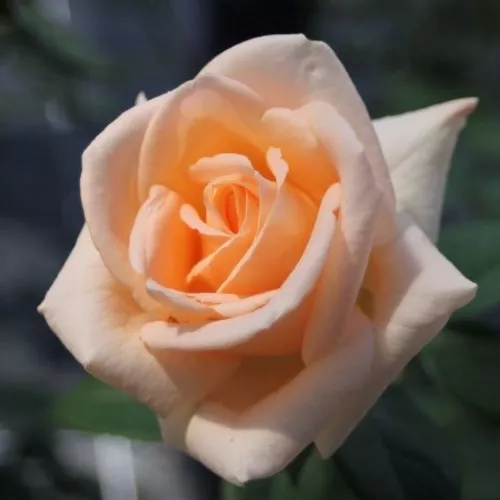
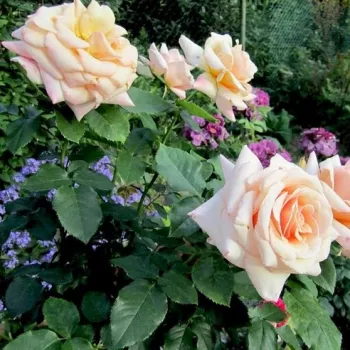
With its cream blooms and refined hybrid-tea form, OCEANA® brings a quietly elegant, cut-rose look into everyday British gardens without demanding expert care. This own-root plant settles in reliably, gradually building a long-lived framework that copes well with typical UK conditions, including heavier soils when given sensible drainage and moisture management. Disease resistance is strong, so foliage stays attractive without constant spraying, while its good heat tolerance helps flowers hold their colour through warm, bright spells. Medium-height, upright growth makes it easy to place in front gardens, narrow borders or mixed cottage-style schemes, and the medium, fruity fragrance adds extra enjoyment near paths or seating. As with many own-root roses, you can expect steady development from root establishment through stronger top growth, culminating in full ornamental value by about the third season.
Usage options
| Target area | Reasoning |
|---|
| Front garden feature rose |
The upright habit and XL, florist-style blooms give a smart, welcoming focal point in classic British front gardens without occupying too much ground space. Its reliable repeat flowering means visitors see tidy, elegant blooms over a long season, suiting image-conscious homeowners. |
| Small mixed border in a family garden |
Moderately dense, mid-green foliage and cream flowers blend easily with perennials and cottage-style planting, creating harmony rather than clashing colour. Good disease resistance reduces unsightly leaves, keeping the border attractive for those who prefer simple, occasional care beginners. |
| Cutting corner for home arrangements |
High-centred, pointed buds and long, straight stems give classic vase-quality flowers at home, so you can cut for the house without losing the garden’s main display. The abundant second flush supports repeated cutting through the season for style-conscious gardeners. |
| Near seating areas and patios |
The medium-strength, delicately fruity fragrance is most enjoyable at close quarters, and the upright growth keeps flowers at a convenient height beside benches or terraces. Planted close to paths, it offers sensory interest without dominating compact spaces, ideal for relaxed families. |
| Low-maintenance rose bed |
Its low maintenance requirement and strong resistance to black spot, mildew and rust support a simple “plant and enjoy” approach with minimal spraying. Even with only annual pruning and sensible watering, plants maintain a stable shape, suiting busy professionals. |
| Sunny or lightly shaded side of the house |
Partial shade tolerance allows planting where light levels vary across the day, such as east- or west-facing walls and side paths. Good heat and sun tolerance mean colours hold in brighter positions, giving flexibility for constrained plots and terrace gardens used by urban residents. |
| Roses in heavier or challenging soils |
As an own-root shrub, it gradually forms a balanced framework that anchors well, adapting to local soil over time; in heavier clay, raised beds or improved drainage further support this long-term stability and appearance, reassuring cautious buyers. |
| Large containers on patios and balconies |
Planted in a 40–50 litre container with quality compost, its upright habit and repeat blooms provide long-season colour where borders are limited. Own-root growth allows the plant to rebuild if cut back hard, supporting many years of use for space-limited balconies. |
Styling ideas
- Porcelain Classic – Pair OCEANA® with low box edging and white flowering perennials to echo its cut-rose elegance in a neat front garden – suited to house-proud owners who want a formal, low-fuss welcome.
- Cream Cottage – Combine with soft blue Brunnera and airy pink campanulas in a small border where disease resistance and repeat flowering quietly support a gently romantic cottage feel – ideal for beginners favouring charm over complexity.
- Patio Perfume – Grow in a 40–50 litre pot by seating, underplanted with lavender or dwarf nepeta, so fragrant blooms and tidy structure frame outdoor living areas – perfect for compact urban terraces seeking easy elegance.
- Cutting Strip – Line a narrow bed with OCEANA® at recommended spacing, interplanted with upright grasses, to give a ready supply of straight-stemmed, XL blooms for vases – appealing to home florists who like reliable, low-effort material.
- Soft Contrast – Set its cream flowers against dark-leaved shrubs or deep purple salvias, using the rose’s upright habit and good health as a calm anchor in mixed schemes – for design-conscious gardeners wanting structure without high maintenance.
Technical cultivar profile
| Parameter | Data |
|---|
| Name and registration |
Hybrid tea rose, registered as OSIana, marketed as Oceana® Hybrid tea rose OSIana; ARS exhibition name Osiana, a fanciful trade name with ocean-like associations. |
| Origin and breeding |
Bred by Hans Jürgen Evers (Rosen Tantau, Germany) from unnamed seedlings; bred 1988, registered 1991 with US Plant Patent PP 7 660, introduced internationally after 1991. |
| Awards and recognition |
Court of Show / Honour at the Golden Triangle Rose & Garden Society Show (USA) in 1999, confirming its suitability as an exhibition-quality hybrid tea bloom. |
| Growth and structural characteristics |
Upright bush, around 120–160 cm tall and 110–140 cm wide, moderately dense mid-green foliage, sparsely thorned stems; weak self-cleaning, so spent heads benefit from manual removal. |
| Flower morphology |
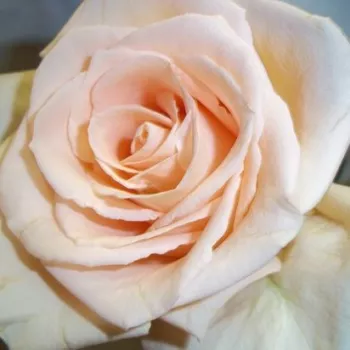
Large, double, high-centred hybrid tea blooms with 26–39 petals, solitary on stems; classic pointed buds opening to exhibition-type flowers suited to both garden display and cutting. |
| Colour data and phenology |
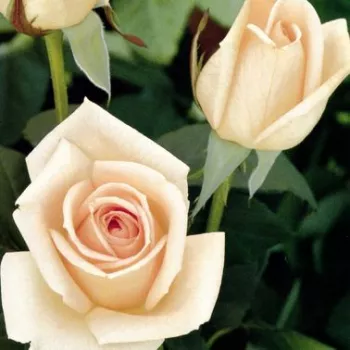
Cream-coloured petals with an ivory tint; buds show peach-cream centres, shading to cream-white and vanilla tones, holding colour well in sun with minimal fading through repeated flushes. |
| Fragrance and aroma |
Medium-strength, noticeably fragrant blooms with a delicately fruity character; best appreciated near paths, doors or terraces where air movement carries the scent to garden users. |
| Hip characteristics |
Due to its double flowers, hip production is generally low; where formed, hips are small, egg-shaped, around 8–12 mm in diameter and red, with limited ornamental presence. |
| Resistance and winter hardiness |
Rated resistant to black spot, powdery mildew and rust; hardy to approximately −21 to −18 °C (H7, USDA 6b, Swedish zone 3), tolerating heat but needing watering in prolonged drought. |
| Horticultural recommendations |
Suited to borders, specimen planting and cutting; plant 80–150 cm apart, 1.3–1.5 plants/m² in groups; thrives in sun or partial shade with basic feeding, pruning and occasional deadheading. |
OCEANA® offers elegant, fragrant, exhibition-style cream blooms on a disease-resistant, own-root shrub that matures into a long-lived, reliable feature, making it a thoughtful choice for understated, low-effort garden refinement.