Nirphobels – magenta hybrid tea rose for scented cutting and display
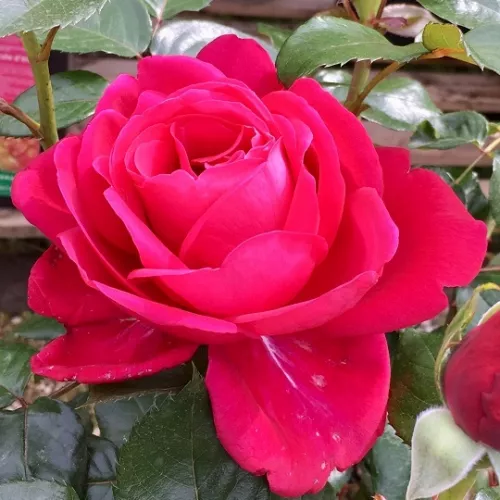
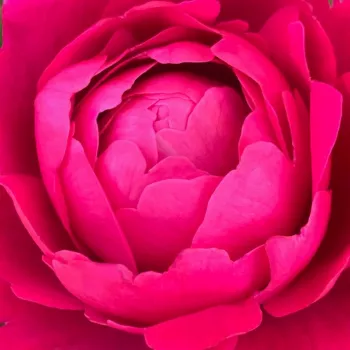
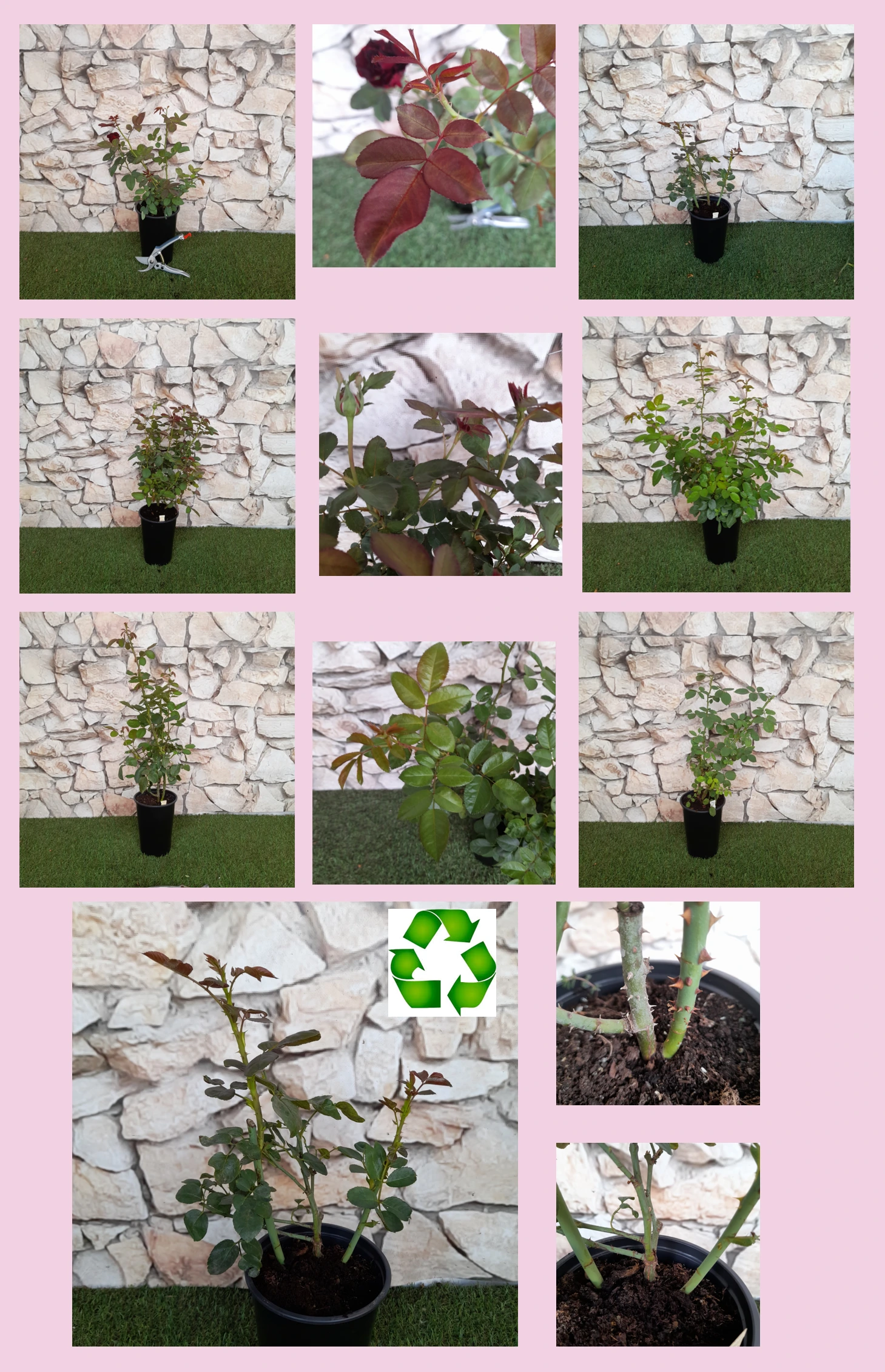
This compact hybrid tea creates a fragrant focus in smaller gardens, giving lush, magenta blooms on a neat, upright bush that suits front beds, narrow borders and cutting. Grown on its own roots for long-term stability, it establishes steadily and rewards patient care with a dependable structure that responds well to simple, regular pruning. In a well-prepared bed – especially where improved soil helps manage heavier, wetter ground and coastal breezes – it offers a refined, exhibition-style flower form for home vases. Its garden-filling, berry-sweet fragrance combines with strong, repeat flowering to deliver a season-long show, while the moderate size allows flexible spacing in mixed cottage-style layouts or formal lines. Over time, own-root growth supports regeneration and consistent colour, maturing from root-building in the first year to fuller top growth in the second and its best ornamental display from the third season onward.
Usage options
| Target area | Reasoning |
|---|
| Front garden feature rose |
The restrained height and compact habit make Nirphobels easy to position near paths, doors and windows without overwhelming a typical front garden. Its upright structure keeps the plant tidy with straightforward annual pruning for shape and renewal, giving a reliable, organised look that suits neat British front plots. Especially suitable for the style-conscious beginner. |
| Cutting patch or cutting row |
As an exhibition-type hybrid tea with large solitary flowers, Nirphobels is ideal for cutting, providing long, straight stems and refined, cupped blooms for vases and arrangements. The remontant flushes give multiple harvests across the season, so a small row in a side bed can supply house flowers regularly. A good choice for home decorators and entertainers. |
| Small mixed border near the house |
Its bushy, upright, compact growth fits comfortably into short, mixed borders alongside perennials and low shrubs, giving structure without taking too much width. Dense, dark green foliage acts as a backdrop for the vivid magenta blooms, integrating well with cottage-style companions and simple underplanting. Well suited to busy urban gardeners. |
| Statement container on patio or terrace |
Nirphobels can be grown in a large container of at least 40–50 litres, where its compact form and strong scent bring colour and fragrance close to seating areas. A generous pot allows stable moisture and nutrition, supporting repeat flowering while keeping maintenance to regular watering, feeding and basic spraying. Ideal for balcony and courtyard owners. |
| Magenta colour accent in cottage plantings |
The intense, uniform magenta flowers with a soft purple hue stand out beautifully amongst pastel cottage plants, helping to anchor colour schemes and repeated accents. Because the colour fades only slightly as blooms age, the border keeps a consistent, rich tone through each flowering wave. Designed for visually driven planting enthusiasts. |
| Scented seating area or pathway |
With a very strong, garden-filling sweet, berry fragrance, Nirphobels is best placed where you regularly pass or sit, such as along a main path or by a bench. Even a small group can create a noticeable perfume, making everyday routines more enjoyable and giving a sense of luxury in ordinary family spaces. Perfect for fragrance-loving visitors. |
| Own-root rose for long-term structure |
As an own-root plant, Nirphobels gradually builds a balanced framework that can regenerate from its base if winter damage or pruning is ever more severe. This gives confidence for long-term planning in small gardens, where you want a rose to stay true to type and maintain a consistent magenta display year after year. Well suited to long-horizon garden planners. |
| Managed rose bed with plant protection |
Nirphobels has very low disease tolerance and needs regular preventive care, so it fits best into gardens where spraying and hygiene are part of the routine. In such well-managed beds, its remontant flowering, foliage density and award-winning show quality repay the extra attention, even in wetter regions with higher fungal pressure and stronger winds. Recommended for committed rose-care enthusiasts. |
Styling ideas
- Magenta-focus border – Combine Nirphobels with blue fescue and white penstemons for a clean, colour-blocked front border that showcases its vivid blooms – for homeowners who prefer crisp structure with low visual clutter.
- Cottage-rustic mix – Weave Nirphobels between soft pink geraniums and airy grasses in a small cottage bed, letting the magenta flowers punctuate looser planting – for those wanting romance without complex design work.
- Scented-terrace pot – Plant one Nirphobels in a 50-litre terracotta container with trailing thyme at the edge to frame its scented blooms by seating – for flat and townhouse residents seeking high impact in limited space.
- Cutting-corner row – Lay out a short, straight row of Nirphobels behind vegetables or herbs so you can cut long-stemmed, exhibition-style roses regularly – for practical gardeners who like home-grown, elegant arrangements.
- Evergreen-contrast trio – Set a small group of three Nirphobels in front of compact hollies or box to contrast deep green structure with bright magenta flowers – for design-conscious beginners wanting simple, repeatable motifs.
Technical cultivar profile
| Parameter | Data |
|---|
| Name and registration |
Hybrid tea rose; registered as Nirphobels, marketed within the NIRPARFUM collection, also known in exhibition circles as Jingle Bells for show and cutting use. |
| Origin and breeding |
Bred by Luciano Ghione for NIRP International S.A., introduced in France in 2017; parentage officially listed as unknown, selected for flower quality and fragrance. |
| Awards and recognition |
Winner at Lyon, France: Plus Belle Rose de France / Maurice Carron award 2019, and Lycée Horticole de Lyon‑Dardilly special prize 2019 for garden and exhibition performance. |
| Growth and structural characteristics |
Compact, upright, bushy plant 70–95 cm tall with a 45–60 cm spread, moderately thorny shoots and dense, slightly glossy dark green foliage forming a neat, manageable shrub. |
| Flower morphology |
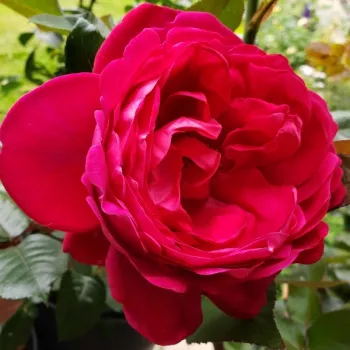
Large, double, cupped blooms with 26–39 petals, mainly solitary on stems; strong remontant habit with a second flowering that is also abundant, suitable for quality cutting. |
| Colour data and phenology |
Vivid magenta flowers (RHS 60A outer, 60C inner) opening from deep buds; colour holds well, fading slightly to softer rose-purple tones while retaining an overall rich impression. |
| Fragrance and aroma |
Very strong, garden-filling perfume with a sweet, berry-like character; suitable for siting near seating or paths where the scent can be fully appreciated through the season. |
| Hip characteristics |
Produces moderately abundant, spherical orange-red hips around 10–14 mm in diameter, adding a subtle decorative effect in late season if spent blooms are not removed. |
| Resistance and winter hardiness |
Hardy to approximately −21 to −18 °C (RHS H7, USDA 6b, Swedish zone 3); however, very susceptible to major rose diseases, so benefits from regular, planned plant protection. |
| Horticultural recommendations |
Best in full sun with enriched, well-drained soil; plant 45–50 cm apart in groups or 90 cm as a specimen, and maintain a consistent fungicide programme and hygiene for health. |
Nirphobels balances compact structure, intense magenta flowers, powerful fragrance and own-root longevity, rewarding regular care with a refined cutting and garden rose that merits a considered place in your planting plans.