NAGYHAGYMÁS – pink bedding floribunda rose - Márk
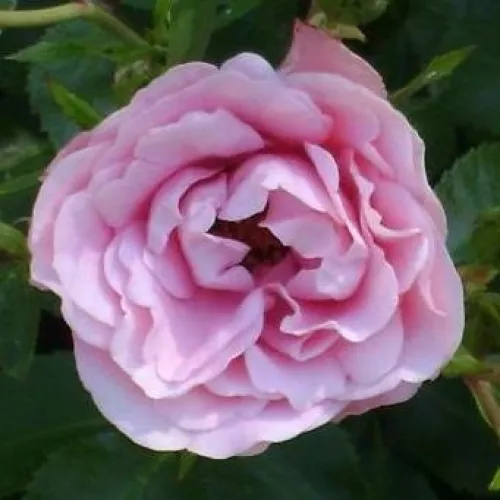
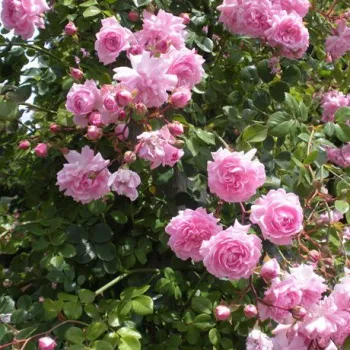
This compact floribunda brings a sweep of soft mid-pink blooms in a single, generous summer flush, ideal if you prefer a neat, low hedge or flowerbed that simply looks orderly. Nagyhagymás forms a bushy, moderately dense shrub that sits comfortably in a small British front garden, coping well even where windy conditions and showers are frequent by the house. Its good heat and moderate drought tolerance help your beds stay fresh through warm spells, while the reliable once-a-year flowering delivers a concentrated display that feels abundant rather than sporadic. As an own-root rose it settles in, matures and regenerates steadily, promising a long-lived, balanced shrub that suits low-fuss gardeners. Think of its development as roots in the first year, fuller shoots in the second, and complete ornamental impact by the third, giving you time to shape a truly harmonious border. The medium-height, bushy habit is easy to position at the front of mixed planting, edging paths or defining boundaries in a way that stays visually coherent without constant trimming. With moderate disease resistance and only occasional plant protection needed, general care stays manageable for busy households, while the classic pink colour blends gently into cottage-style companions.
Usage options
| Target area |
Reasoning |
| Front garden flowerbed bordering a path |
The bushy, low-growing habit (around 40–60 cm) lends itself perfectly to edging front paths and drives without blocking windows or sight-lines. Clustered mid-pink flowers create a tidy, continuous strip of colour during its main flush, ideal for those who like a composed entrance but do not want complex pruning tasks, especially beginners. |
| Small group planting in cottage-style beds (3–5 plants) |
Planting Nagyhagymás in small groups allows the uniform, soft pink flowers to read as a single, harmonious block, echoing traditional cottage borders. The once-a-year, generous flush gives a seasonal highlight that pairs beautifully with perennials and ornamental grasses, with only light shaping needed after flowering, reassuring for busy-owners. |
| Low, informal hedge along a boundary or drive |
Recommended spacing of 55–65 cm makes it straightforward to create a loose hedge that defines garden edges without appearing rigid. The moderately thorny, bushy structure offers a light barrier, and its medium maintenance needs can be managed with an annual tidy and deadheading, suitable for those who value structure but prefer straightforward routines, like homeowners. |
| Mixed border with perennials and ornamental grasses |
The soft mid-pink colour sits comfortably with blues, whites and soft purples, working well alongside recommendations such as Geranium sanguineum or Verbena hastata ‘Blue Spires’. Its moderately dense foliage fills gaps at mid-height, while heat and moderate drought tolerance keep the planting looking composed even in drier spells, appealing to style-conscious gardeners. |
| Urban front garden beds with exposure to rain and wind |
Nagyhagymás suits exposed, street-side situations where it may meet frequent showers and gusts around townhouses, coping well where blustery, showery weather is common near buildings. Its compact size avoids obstructing pavements, while own-root stability and moderate disease resistance offer dependable structure for those tending small but visible spaces, particularly urbanites. |
| Specimen shrub near seating areas or patios |
Although scentless, the clean, cupped flowers and slightly glossy, mid-green foliage provide a calm visual focus near seating or patios without overwhelming the space. The once-flowering nature means you can plan a seasonal highlight around early to midsummer, with simple shaping afterwards and little else, which suits relaxed, time-pressed families. |
| Own-root long-term planting for stable structure |
As an own-root rose, Nagyhagymás gradually builds a balanced bush form in its final position and can regenerate from the base if cut back, supporting long-term use in beds and borders. With roots establishing first, then increasing shoot growth, you gain a durable framework that rewards patience and reduces the need for replacement, ideal for forward-planning owners. |
| Park-style or shared communal planting schemes |
Its medium maintenance level and once-a-year, concentrated flowering lend themselves to communal beds where appearance matters but intensive care is unrealistic. Spacing at roughly 2.4–2.7 plants/m² makes layout simple, and moderate heat and drought tolerance reduce watering pressure, making it a practical component in shared green spaces used by neighbours. |
Styling ideas
- Cottage-ridge – Line a low front-garden ridge with Nagyhagymás, weaving in Geranium sanguineum for groundcover and late-summer asters behind – ideal for cottage-style admirers.
- Soft-hedge – Create an airy hedge along a drive using staggered spacing, underplanting with low catmint for a frothy base – suited to homeowners wanting gentle structure.
- Pink-focus – Use 3–5 plants as a central block in a small bed, framed by white perennials to make the soft mid-pink flowers stand out – good for first-time planners.
- Urban-edge – In a compact front plot, pair Nagyhagymás with drought-tolerant grasses and hardy perennials for a resilient, tidy streetside display – perfect for busy city gardeners.
- Seasonal-wave – Combine the main flowering flush with early alliums and later salvias so colour flows through the season around its peak – appealing to design-led hobbyists.
Technical cultivar profile
| Parameter |
Data |
| Name and registration |
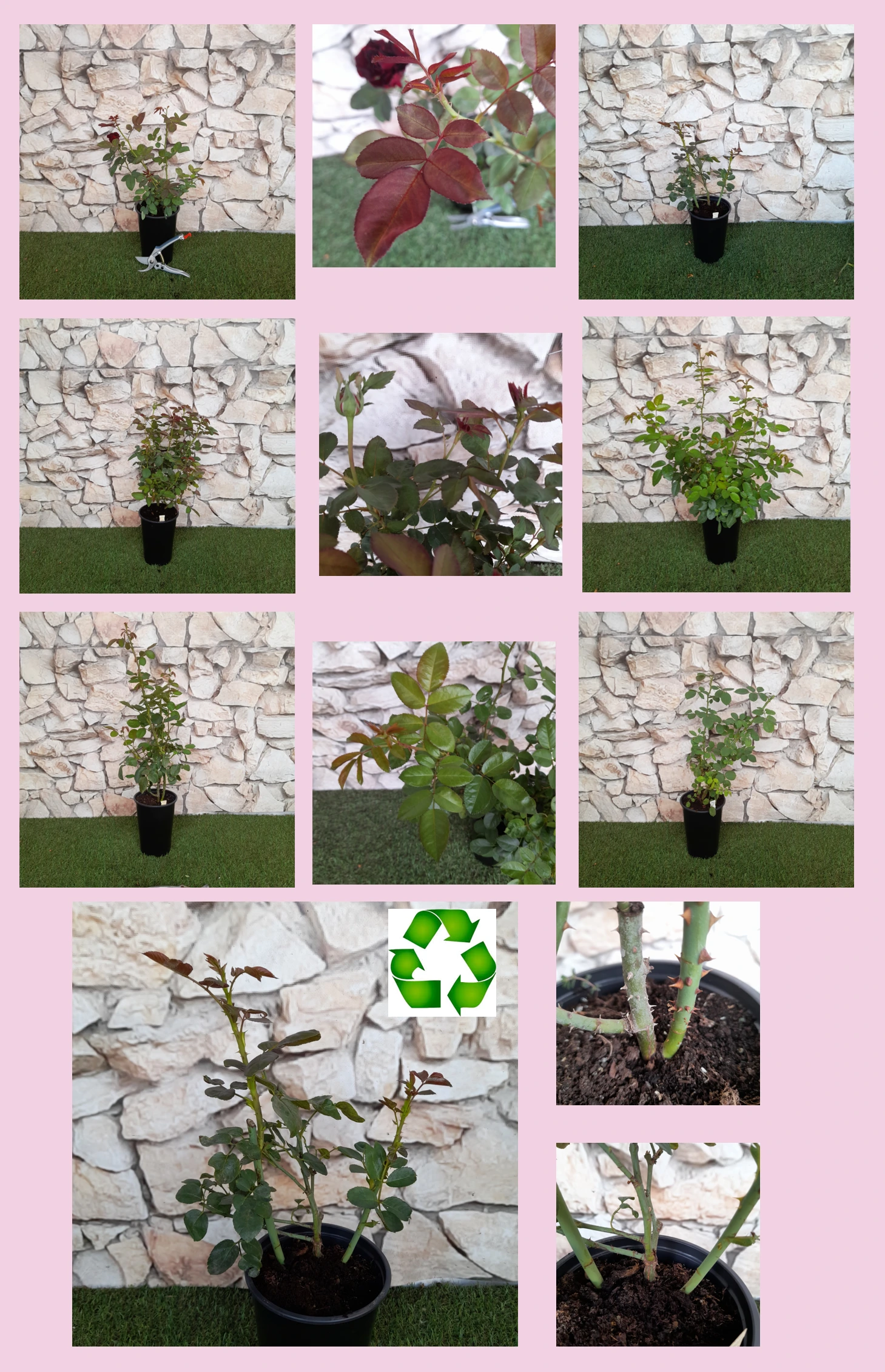
Nagyhagymás is a floribunda bed rose marketed as NAGYHAGYMÁS – pink bedding floribunda rose - Márk; an own-root, container-grown shrub rose in the pharmaROSA® ORIGINAL 2-litre range for garden use. |
| Origin and breeding |
Bred by Hungarian rosarian Márk Gergely, breeding year 2004; parentage and breeding institution are unknown. Introduced and initially distributed by PharmaRosa® Ltd. from Hungary for ornamental garden planting. |
| Growth and structural characteristics |
Compact, bushy shrub 40–60 cm high with a 75–105 cm spread, moderately thorny shoots and mid-green, slightly glossy foliage of moderate density, forming a low, rounded mound suitable for beds and borders. |
| Flower morphology |
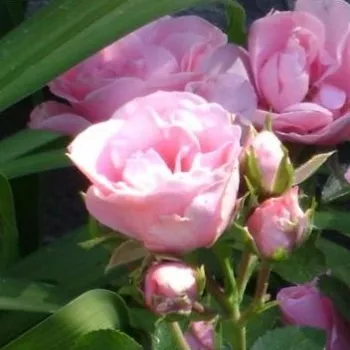
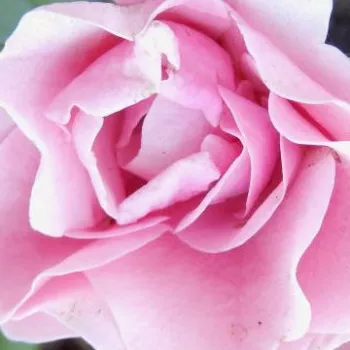
Medium-sized, cupped, double blooms with 26–39 petals, borne in clusters on floribunda-style trusses. Non-remontant, giving one main flowering period rather than continuous repeat, making after-flowering pruning straightforward. |
| Colour data and phenology |
Soft mid-pink flowers, RHS 65C outer and 65D inner petals, slightly paler on the outside and more vivid at the centre. Colour lightens modestly in strong sun but retains a clean, silky appearance through the main flowering phase. |
| Fragrance and aroma |
No noticeable fragrance is reported; this variety is primarily chosen for reliable bedding effect and colour rather than scent. The double, mid-pink blooms contribute visual charm without influencing fragrance-led planting schemes. |
| Hip characteristics |
Hip set is generally low due to the double flower form, though occasional small, spherical orange-red hips of about 7–10 mm may appear, adding a discreet seasonal detail without becoming a dominant feature. |
| Resistance and winter hardiness |
Rated to around -7 to -4 °C (RHS H4, Swedish zone 1, USDA 9a). Disease resistance is moderate to powdery mildew, black spot and rust, with good tolerance of heat and moderate drought under typical UK garden conditions. |
| Horticultural recommendations |
Best in sunny positions with well-prepared soil, at 55–65 cm spacing or 2.4–2.7 plants/m². Maintenance is medium: periodic deadheading, an annual prune, and occasional plant protection measures are recommended for best results. |
NAGYHAGYMÁS offers compact, bushy structure, heat and drought tolerance, and long-term stability as an own-root shrub, making it a sound choice if you would like a reliable pink bedding rose for your garden.