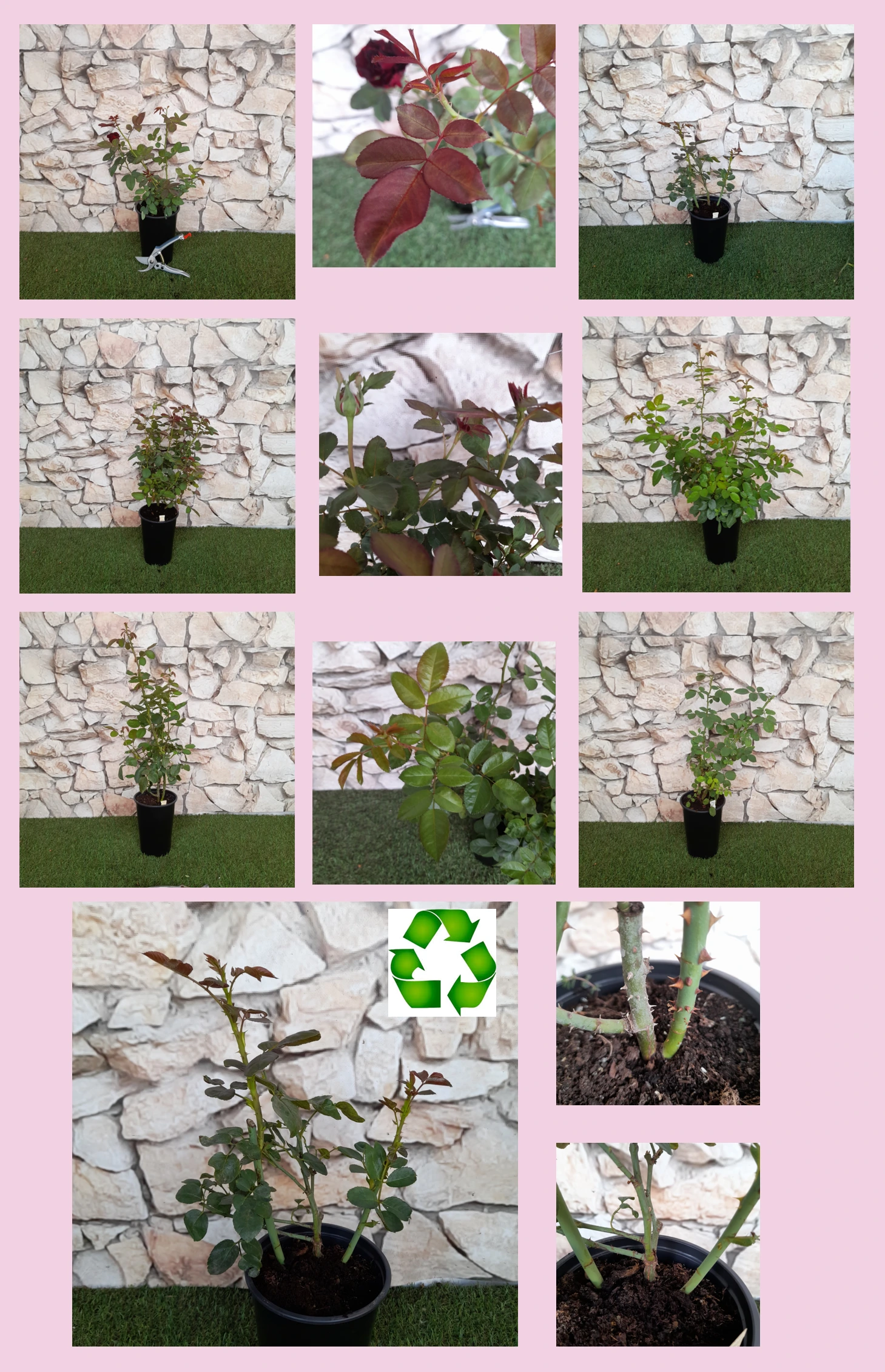
NADIA ZEROUALI™ – yellow bedding floribunda rose
This versatile edible floribunda was bred for effortless pleasure in everyday gardens, offering pastel, kitchen-ready petals and a strong, citrusy fragrance in a compact, upright shrub that fits beautifully into small beds and cottage-style mixes. Its bushy habit and medium maintenance needs make it straightforward for busy gardeners who still want a dependable harvest of flowers for vases and desserts, while its glossy dark foliage frames the soft yellow blooms for long seasons of colour. As an own-root plant, it matures steadily into a stable, long-lived bush with reliable structure, responding well to simple pruning and basic feeding. Expect a gentle development from settling roots in year one, fuller shoots in year two and confident ornamental impact by year three, even where you need extra anchoring and drainage on heavier British soils, including raised beds. In larger containers from 40–50 litres it performs as a compact patio focal point, lending both visual charm and culinary creativity close to the kitchen door.
Usage options
| Target area |
Reasoning |
| Front garden bedding strip |
The compact, bushy habit and 70–100 cm height make this floribunda ideal for neat front-garden beds where you want structure without dominance. Regular clusters of pastel yellow blooms give a classic cottage feel with only medium upkeep, suiting beginners. |
| Edible flower and kitchen garden border |
As an edible rose, its strongly citrusy fragrance and full, creamy-yellow petals lend themselves to decorating cakes, salads and drinks. Plant near herbs or a vegetable plot for easy harvesting; medium maintenance is manageable for food-lovers. |
| Small group planting in mixed cottage border |
Plant 3–5 shrubs at the recommended spacings for a pleasing, bushy drift of soft yellow among perennials. The remontant habit with generous repeat flowering keeps colour running through summer, supporting low-fuss seasonal interest for stylists. |
| Patio container or large pot (40–60 litres) |
In a 40–60 litre container this rose forms a compact, upright patio feature with repeat-flowering clusters at eye level. Own-root growth gives gradual, balanced structure over the years, while medium care tasks stay manageable for balcony-owners. |
| Low informal hedge along a path |
Planted at 30 cm for hedging, the tidy, moderately dense foliage and upright habit create a soft, fragrant edging that guides you along paths or driveways. The even 70–100 cm height gives a coherent look with modest effort for planners. |
| Long-season colour focus in small gardens |
The remontant flowering pattern with a generous second flush keeps beds lively beyond the first summer peak. Fading from lemon to creamy butter tones, flowers stay attractive on the plant, extending visual value through the season for busy-owners. |
| Stable, long-lived accent shrub |
As an own-root rose, this variety develops its permanent framework where it is planted, regenerating from its base if pruned harder and ageing into a reliable garden fixture. This makes it a sound long-term choice for thoughtful investors. |
| Borders on heavier or exposed sites |
Once established, the bushy, upright shrub and moderate thorniness give good anchorage, working well where you need secure planting with mindful watering in British gardens that may combine heavier soils with wind or rain, reassuring practical gardeners. |
Styling ideas
- COTTAGE RIBBON – Thread a short row along a front path, weaving between lavender and Scabiosa columbaria for a soft yellow-and-lilac ribbon of repeat colour – suited to romantic cottage-garden admirers.
- EDIBLE PATIO – Plant one specimen in a 50-litre terracotta pot beside a bistro table, underplanted with Calamintha grandiflora for extra scent, keeping petals close at hand for desserts – ideal for keen home cooks.
- HERB BORDER – Drop groups of three into a mixed herb bed with chives and thyme; the fragrant, edible blooms add height and structure above low herbs – perfect for kitchen-garden stylists.
- YELLOW ACCENT – Use a solitary plant as a focal point in a small bed framed by dark evergreen box or yew, where its pastel yellow flowers and glossy foliage provide a gentle, long-season highlight – great for formal-leaning gardeners.
- TEXTURED DRIFT – Combine a loose drift of this rose with Liatris spicata 'Kobold' and airy ornamental grasses to contrast creamy blooms with vertical spires and movement – appealing to lovers of naturalistic planting.
Technical cultivar profile
| Parameter |
Data |
| Name and registration |
Edible floribunda shrub rose, registered as BOZedib021 and marketed as Nadia Zerouali™ Taste of Love®; commercial bed rose type suited to ornamental and culinary garden use. |
| Origin and breeding |
Bred by Biljana Božanić Tanjga for PhenoGeno Roses d.o.o., Serbia; EU Plant Breeders’ Right 61768 (2022), introduced after 2022 as part of the Taste of Love® edible rose collection. |
| Growth and structural characteristics |
Bushy, upright shrub reaching about 70–100 cm high and 40–60 cm wide, with moderately dense, glossy dark green foliage and moderate prickliness, forming a compact, balanced garden presence. |
| Flower morphology |
Medium-sized, very full, cup-shaped flowers with 40+ petals, carried in clusters on branching stems; remontant habit provides repeat flushes with a notably generous second blooming period in season. |
| Colour data and phenology |
Light lemon buds open pastel yellow, then creamy yellow to near butter-white; ARS code LY, RHS 11C–11D, with medium colour retention and an attractive soft-fading effect as the flowers age. |
| Fragrance and aroma |
Strong, clearly perceptible fragrance dominated by fresh, citrusy notes; suitable for gardeners who value both ornamental flowers and scented petals for culinary or sensory garden experiences. |
| Hip characteristics |
Occasional small spherical hips, around 6–10 mm in diameter, ripening to orange-red; primarily ornamental, with hip set varying, as flowers are usually enjoyed or cut before full fruit development. |
| Resistance and winter hardiness |
Hardy to around −21 to −18 °C (RHS H7, USDA 6b, Swedish zone 3); moderate resistance to powdery mildew, black spot and rust, benefitting from standard integrated care in humid seasons. |
| Horticultural recommendations |
Best in well-drained soil with added organic matter; suitable for beds, low hedging and 40–60 litre containers. Medium maintenance: routine feeding, deadheading and occasional disease checks maintain performance. |
NADIA ZEROUALI™ brings edible, citrus-scented blooms, compact repeat-flowering bedding impact and stable own-root longevity to the family garden, making it a thoughtful, easy-going choice for years of quiet enjoyment.