| Pergolas over seating or paths |
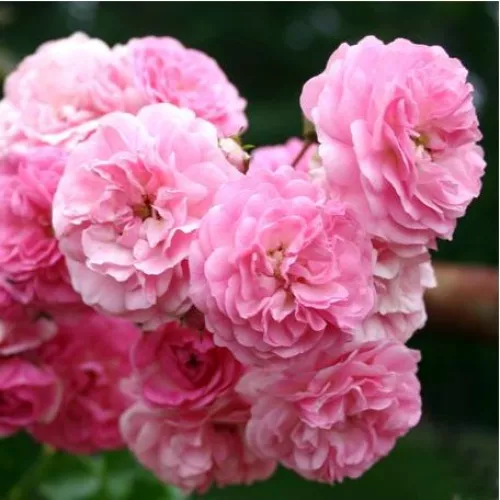
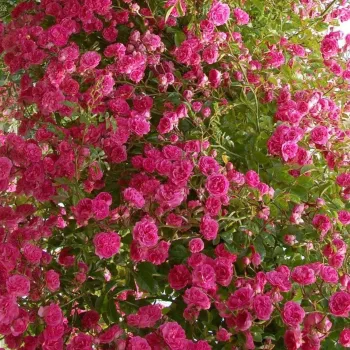
Minnehaha’s long, climbing canes and dense foliage are ideal for covering pergolas, forming a cool, green tunnel studded with soft pink clusters in early summer. Once trained, it asks little more than an annual tidy, while its own-root vigour ensures a durable framework that recovers well from pruning cuts or occasional weather damage – especially suited to those wanting a lasting feature with modest upkeep, such as the busy homeowner. |
| Garden arches and entrance walkways |
This rambler’s abundant clustered flowers create a charming, old-fashioned welcome when trained over arches at front-garden gates or path entries. Its reliable once-a-year display offers maximum visual reward for minimal routine care, and the historic, cottage-style character blends beautifully with classic British planting along front boundaries – especially appealing to lovers of period looks and cottage-garden ambience. |
| Fences and boundary lines |
With a height potential of 4,5–7 m and a 2–3,5 m spread, Minnehaha quickly clothes wire, timber or post-and-rail fencing, softening hard boundaries and improving privacy. Its dark, glossy foliage remains attractive after flowering, giving year-round structure, while disease resistance reduces the need for spraying or specialist care, making it suitable for long fence runs in family gardens for the time-pressed gardener. |
| Wall training on garages and outbuildings |
Trained on horizontal wires, Minnehaha forms sweeping, flowering garlands across walls, sheds and garages, turning functional structures into standout garden features. Its tolerance of typical British humidity and its generally healthy foliage reduce unsightly disease patches, while own-root stamina supports a long life, so you can invest in training once and enjoy the effect for years – ideal for practical, design-minded owners. |
| Large trees and mature shrubs as living supports |
The variety’s rambling, climbing habit allows it to be threaded into strong, established trees or large shrubs, where it can cascade through the canopy with curtains of pink in early summer. Its relatively low maintenance needs suit less accessible spots, and the own-root base provides long-term anchoring, important where wind exposure is higher and flexible, resilient growth is needed – a good choice for adventurous but time-limited gardeners. |
| Large-area ground covering on banks or slopes |
Minnehaha’s vigorous, creeping-climbing habit can be used on gentle banks or wide borders where it is allowed to sprawl over the ground, smothering the area with foliage and seasonal flower. Once established and lightly managed, it suppresses many weeds and provides a durable, low-maintenance green carpet with seasonal colour, fitting gardens where easy care and broad visual coverage are more important than frequent interventions for the relaxed beginner. |
| Historic and cottage-style mixed borders |
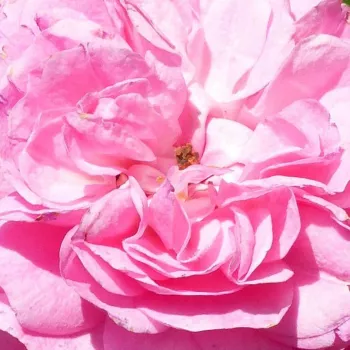
The romantic pink clusters and heritage background make Minnehaha particularly at home in cottage-style schemes with perennials and shrubs. Its flowering offers a strong early-summer highlight that complements foxgloves, hardy geraniums or old-fashioned perennials, while its hardy, disease-resistant nature supports long-term planting plans without constant replacement – reassuring for those building a classic border slowly over several seasons for the traditionalist enthusiast. |
| Park-style and large family gardens |
Designed historically for large spaces, this rambler excels in bigger family gardens and park-style layouts, where it can freely climb, drape and cover structures or trees with minimal fuss. Its robust health and frost-hardy constitution reduce worry about difficult winters, even in exposed sites, and its own-root resilience supports long-term plantings that become part of the garden’s permanent fabric – well suited to low-intervention, long-horizon planners. |