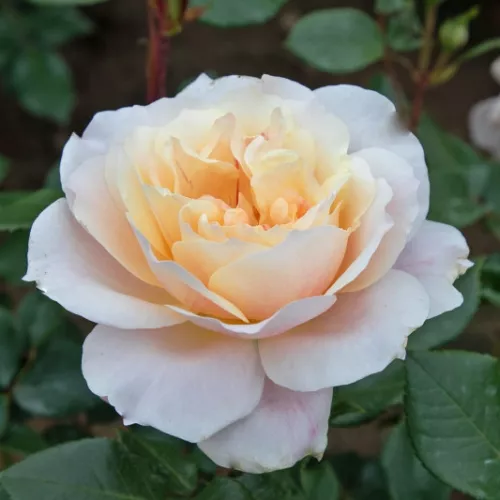
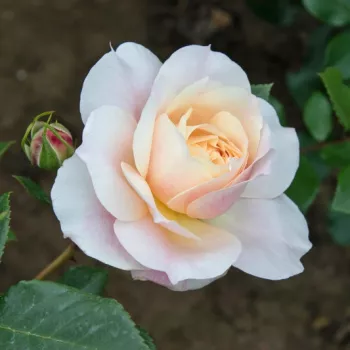
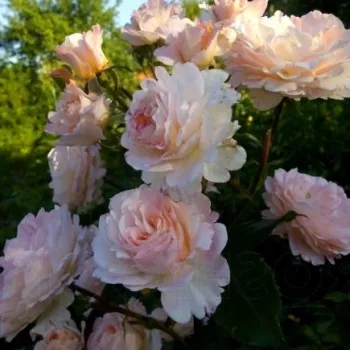
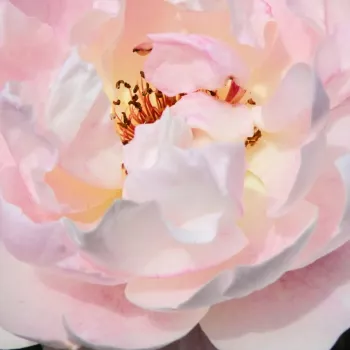
Micol Fontana – cream-yellow flowerbed shrub rose
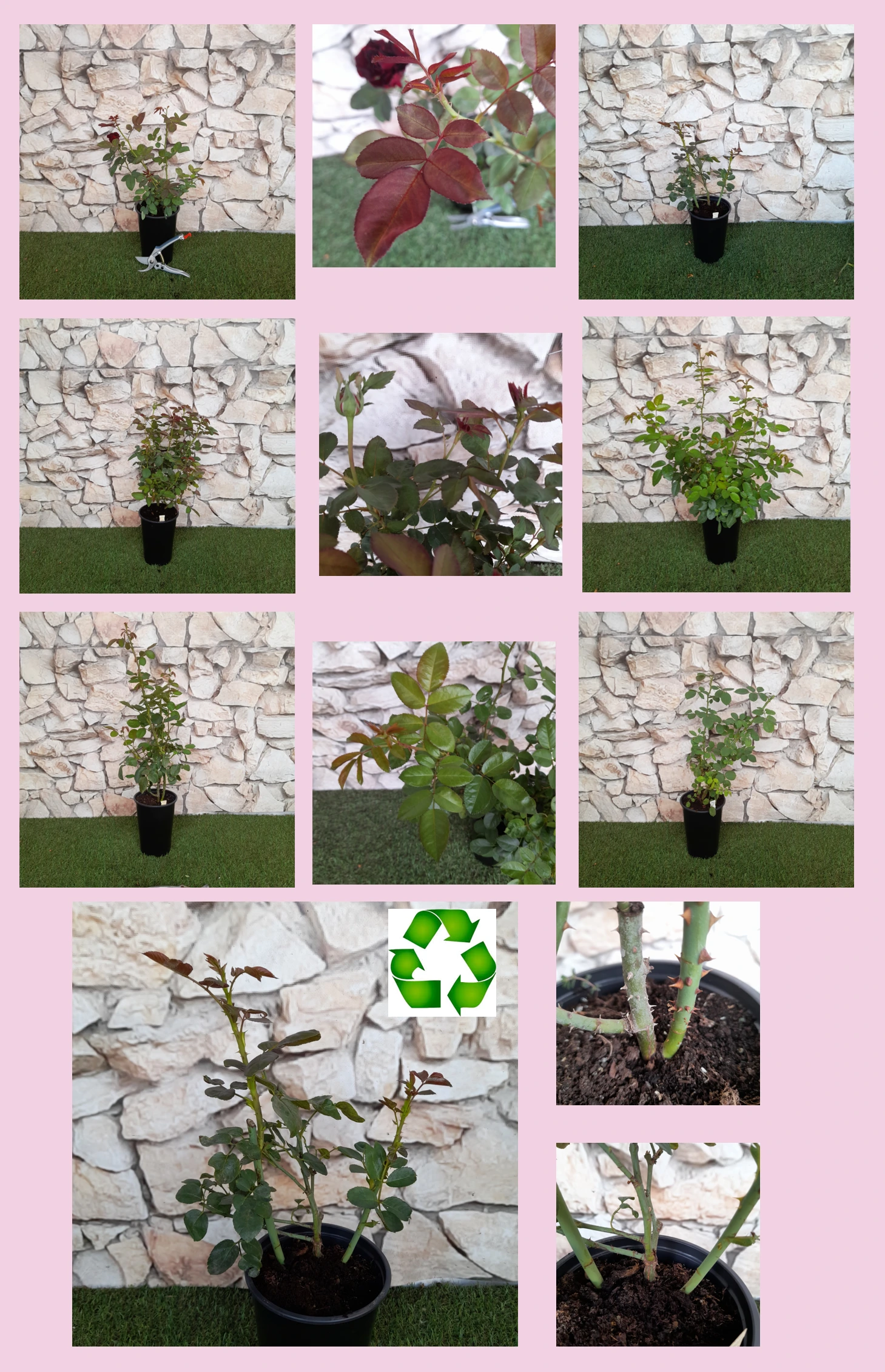
Elegant and softly coloured, Micol Fontana brings romantic cottage-garden appeal to everyday spaces with generous clusters of semi-double blooms and a surprisingly fragrant, rich fruity perfume that carries on warm evenings. As a bushy, medium-height shrub for beds and borders it gives reliable structure, forming a dense, leafy outline that sits comfortably among perennials or low evergreens, while its remontant habit ensures repeat display from early summer well into autumn. In typical British conditions it appreciates good air movement and drainage, coping steadily with wetter, windier spells near the coast when the soil is not waterlogged. Cream-yellow petals flushed with powder-pink provide a versatile palette that blends easily with whites, blues and soft purples in small front-garden schemes. Grown on its own roots in a 2‑litre container, the plant settles in gradually, developing roots in the first year, stronger shoots in the second, and a full ornamental presence by the third, building long-term character in the border with minimal intervention beyond routine care. For those seeking gentle impact rather than instant formality, it offers a forgiving way to introduce a classic shrub rose to the family garden.
Usage options
| Target area |
Reasoning |
| Small front-garden flowerbed near the house |
The bushy, medium-height habit creates a clear visual focus without overwhelming a modest space, while repeat flowering through the season keeps the frontage looking cared-for with relatively simple deadheading and feeding – ideal for the appearance-conscious beginner. |
| Mixed cottage-style border with perennials |
The soft cream-yellow and powder-pink tones weave easily among blues, mauves and airy perennials, giving a romantic cottage effect; the shrub’s defined outline helps tie looser planting together and avoids the border appearing untidy – well suited to the aesthetics-led homeowner. |
| Small group planting of 3–5 shrubs |
Planting in a loose triangle or drift at the recommended spacing produces a rounded, low hedge of colour, with clusters of semi-double blooms repeating across the group and building impact over a few seasons, rewarding the patient gardener. |
| Solitary specimen in a key viewing spot |
As a single specimen it offers a tidy, upright-bushy framework that frames windows, paths or seating areas; its changing flower tones from bud to fading bloom add interest over time, making it attractive for a focal point-minded owner. |
| Fragrance-focused seating area or patio edge |
The strong, far-reaching fruity scent is most effective where you frequently pass or sit; placing it near a bench, path or terrace allows you to enjoy the perfume on still evenings, particularly appreciated by scent-loving urbanites. |
| Pollinator-friendly, ornamental family bed |
The semi-double flowers offer partially accessible stamens that can attract visiting insects, adding gentle wildlife interest alongside decorative value, especially when combined with other nectar plants, which appeals to environmentally aware families. |
| Own-root rose area for long-term structure |
As an own-root shrub it forms its natural shape in situ and can regenerate from the base if pruned harder, giving long-lived structure without graft worries, which is reassuring for low-maintenance-focused starters. |
| Large container on a sunny terrace (40–50 litres+) |
Grown in a substantial pot with quality compost and regular watering during dry spells, it delivers colour and scent close to the house while its defined size is easy to manage in a confined space, fitting the needs of space-limited balconists. |
Styling ideas
- Classic – Combine with lavender and white daisies for a restrained, timeless front garden that softens brickwork – ideal for traditionalists seeking calm kerb appeal.
- Cottage – Weave among foxgloves, campanulas and hardy geraniums for a loose, romantic border where its bushy form anchors taller spires – perfect for lovers of informal charm.
- Pastel – Pair its cream-yellow and pink tones with soft blue nepeta and pale pink lupins to create a gentle colour wash – suited to those preferring subtle, blended schemes.
- Fragrant – Place near a bench with thyme and dianthus edging so scented foliage and strong rose perfume mingle on summer evenings – appealing to scent-focused garden users.
- Urban – Grow in a 50‑litre container with evergreen box or Lonicera edging for year-round structure and seasonal flowers – designed for busy city gardeners wanting tidy impact.
Technical cultivar profile
| Parameter |
Data |
| Name and registration |
Modern shrub, commercial bed and shrub rose; registered as BARmifo, marketed as Micol Fontana, a premium gold-rated cultivar verified for authenticity for discerning garden use. |
| Origin and breeding |
Bred by Beatrice Barni in Pistoia, Italy (2013), registered 2014 and introduced after 2014 by Rose Barni, representing contemporary Italian shrub-rose breeding for decorative plantings. |
| Growth and structural characteristics |
Bushy, upright shrub reaching about 95–125 cm in height with a 60–85 cm spread, moderately thorny stems and dense, slightly glossy medium-green foliage providing solid garden structure. |
| Flower morphology |
Semi-double, cup-shaped, large blooms (around 7–10 cm) carried in clusters; 13–25 petals per flower, reliably remontant with a second flush that is also abundant in suitable conditions. |
| Colour data and phenology |
Delicate cream-yellow base with powder-pink tints; buds butter-yellow with pink tips, deepening centrally then fading towards pastel cream-white, with moderate colour retention in strong sun. |
| Fragrance and aroma |
Rich, fruity fragrance of strong, far-reaching intensity, best appreciated near seating or paths; semi-double flowers provide decorative scent while remaining only partially accessible to pollinators. |
| Hip characteristics |
Produces moderate quantities of small, spherical red hips about 7–10 mm across later in the season, adding a discreet decorative element without dominating the shrub’s overall appearance. |
| Resistance and winter hardiness |
Hardy to about −21 to −18 °C (H7, USDA 6b, Swedish zone 3) but very susceptible to black spot, mildew and rust, so benefits from proactive plant protection and good site hygiene. |
| Horticultural recommendations |
Prefers a sunny, open position with fertile, well-drained soil; recommended for beds, specimens, parks and urban green spaces, with regular feeding, watering and disease management for best display. |
Micol Fontana offers romantic pastel blooms, bushy structural form and strong fragrance on a reliable own-root shrub, making it a thoughtful choice for long-lived, characterful borders or containers.