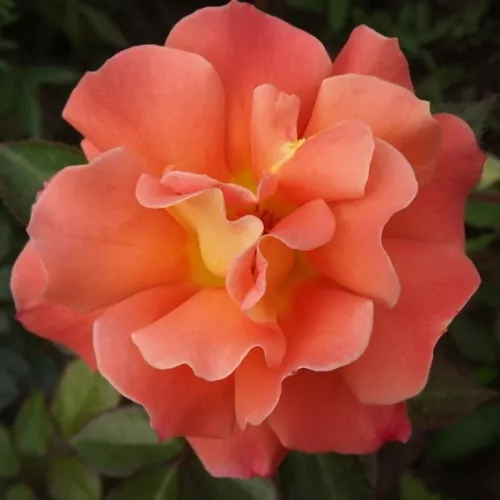
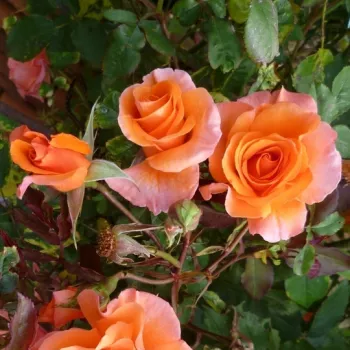
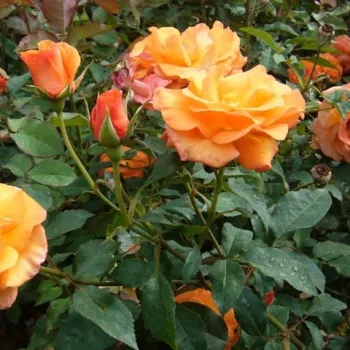
Metanoïa – orange climbing rose
With its warm coral-orange blooms and reliable remontant flowering, Metanoïa creates a welcoming, upright structure for arches, fences and house walls in the classic British front garden. Semi-double clusters open from deep coral buds, softening through peach to a creamy, rosy-edged finish, giving a long season of changing colour that looks refined rather than gaudy. This own-root climber establishes steadily, building a durable framework that regenerates well after pruning and supports long-term garden longevity. In typical UK conditions it copes reliably with wetter spells and breezier spots, especially where the soil drains reasonably and avoids standing water in heavy ground. Medium maintenance needs and balanced, dark green foliage suit busy gardeners who still want something special by the front door. Over the first three years it shifts naturally from root building to strong shoots and then full ornamental impact, giving you confidence that, once planted, this rose will simply get on and flourish.
Usage options
| Target area | Reasoning |
|---|
| Front-garden arch or entrance feature |
Metanoïa’s upright climbing habit and medium height make it ideal for training over a modest arch or by a gate, giving good coverage without overwhelming a small front garden. Repeating clusters of warm coral-orange flowers provide a reliable focal point for beginners. |
| House wall or fence in full sun |
The rose’s creeping-climbing growth and recommended spacing allow it to clothe walls or fences with an attractive vertical sheet of semi-double blooms, while medium maintenance needs suit those who want simple, periodic tying-in and light pruning for busy. |
| Pergola or walk-through structure |
Its 2.4–3.6 m height and flexible canes lend themselves to training along pergola rafters, creating a soft-toned, overhead flower display; own-root robustness supports long-term framework building for those planning a lasting garden feature for homeowners. |
| Cottage-style mixed border backdrop |
The shifting coral-to-peach colour range blends easily with perennials, while semi-double clusters and moderate height give gentle structure at the back of a border; the rose’s balanced vigour suits smaller plots where space must be used thoughtfully by designers. |
| Small group planting along a boundary |
Planted at the recommended distances, a row of Metanoïa forms a loose, flowering screen that is easier to manage than a formal hedge yet gives privacy and seasonal interest; own-root stamina supports a long-lived line of plants for families. |
| Support for classic companion climbers |
Moderately thorny, flexible canes and semi-double flowers work well with light clematis or cottage-style partners, creating layered colour without excessive bulk, while medium disease resistance reduces the need for frequent spraying for hobby-gardeners. |
| Feature rose in raised beds on heavier soil |
In raised beds where drainage is improved, Metanoïa’s dependable climbing habit and own-root resilience allow it to anchor well and cope better with UK wet spells and wind-prone spots than more demanding climbers, offering peace of mind for starters. |
| Large decorative container with strong support |
In a 40–50 litre or larger container with a sturdy trellis, this climber can be used where border space is limited, its medium water and feeding needs remaining manageable while still giving a long flowering season for balcony-owners. |
Styling ideas
- Cottage Archway – Train Metanoïa over a simple metal arch and underplant with Erigeron karvinskianus to echo its soft peach tones, creating a romantic walkway – ideal for lovers of informal cottage style.
- Warm Wall – Use against a south-facing brick wall, pairing with soft blue or lavender perennials to contrast the coral-orange clusters – suited to homeowners seeking an easy, welcoming frontage.
- Layered Pergola – Combine Metanoïa on pergola posts with a light, late-flowering clematis for extended seasonal colour and gentle structure – perfect for gardeners wanting impact without complexity.
- Boundary Screen – Plant a short run along a fence at the recommended spacing, mixing in dwarf herbaceous companions for a flowering, semi-formal screen – good for families needing privacy and long-lasting interest.
- Container Feature – Grow a single plant in a 50 litre tub with a slim obelisk, keeping pruning light to show off repeating blooms – best for busy urban gardeners working with patios or small courtyards.
Technical cultivar profile
| Parameter | Data |
|---|
| Name and registration |
Metanoïa – large-flowered climbing rose; ARS exhibition name Metanoïa, commercial type climber; current trade designation Metanoïa Climbing rose in the climbing rose collection. |
| Origin and breeding |
Parentage and breeder are not documented; introduced commercially by Meilland International SA (France) around 2000, reflecting contemporary climbing selections for ornamental garden use. |
| Growth and structural characteristics |
Creeping, climbing habit with flexible canes reaching about 2.4–3.6 m high and 1.1–1.7 m spread; moderately dense, glossy dark green foliage and moderate prickliness support good coverage on supports. |
| Flower morphology |
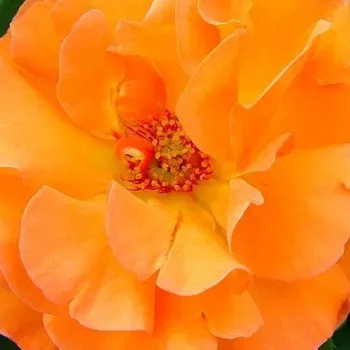
Semi-double, cupped clusters with 13–25 petals per bloom; medium flower size around 4–7 cm, produced repeatedly through the season with a notably plentiful second flush on well-sited plants. |
| Colour data and phenology |
Warm coral-orange buds open to creamy peach flowers with rosy-tinted edges; colour softens gradually, giving multi-toned displays; ARS code OB, RHS 34A outer and 36C inner petal references. |
| Fragrance and aroma |
Softly sweet, mild fragrance that complements rather than dominates; best appreciated near paths, doors or seating where repeated flowering brings a gentle, unobtrusive scent in warm weather. |
| Hip characteristics |
Hip set is generally sparse due to semi-double flowers and routine pruning; when present, produces small, ellipsoid orange-red hips around 6–10 mm diameter, mainly of incidental ornamental value. |
| Resistance and winter hardiness |
Medium general disease resistance, with good tolerance to powdery mildew and blackspot, moderate rust susceptibility; hardy approximately to −21 to −18 °C (RHS H7, USDA 6b, Swedish zone 3) in UK gardens. |
| Horticultural recommendations |
Best in sunny positions on arches, pergolas, trellises, fences or walls; medium maintenance, with regular watering in dry spells and occasional plant protection; prefers well-drained soil and thoughtful spacing. |
Metanoïa Climbing rose offers repeat flowering, adaptable, easy-to-train growth and durable own-root reliability, making it a thoughtful choice when you want a long-lived, low-fuss climber for your garden.