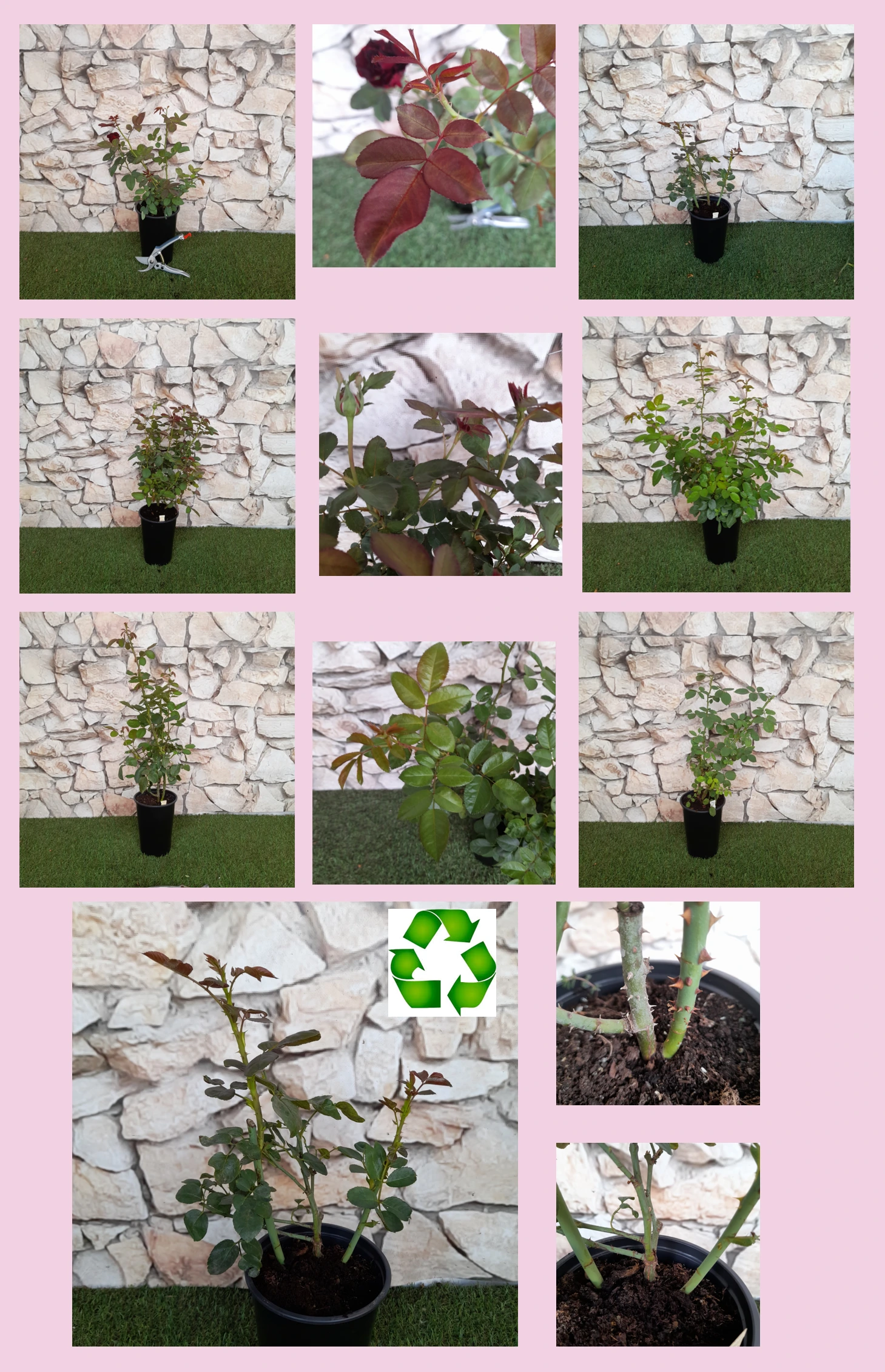
BARPABLE – mauve-lilac dwarf-mini rose - Barni
Cottage charm in a compact border rose, BARPABLE brings richly scented, semi-double mauve-lilac blooms to small gardens with reliable repeat flowering all summer. Its naturally compact, well-branched habit and dense glossy foliage keep beds and edging lines neat with little shaping, ideal where space is at a premium and drainage may be improved for heavier soils near the house. As an own-root plant it builds a stable, long-lived bush that regenerates well after pruning, giving enduring colour in front gardens, containers and low hedges. Simply plant, water and allow BARPABLE to establish – roots in the first year, top growth in the second, then full ornamental display from the third, for dependable ease in everyday family gardens.
Usage options
| Target area |
Reasoning |
| Front garden edging |
The low, compact habit and dense foliage create a precise edging line along paths and drives without overwhelming narrow spaces, while self-cleaning flowers reduce deadheading time for a tidy look that suits busy homeowners and beginners. |
| Small mixed borders |
BARPABLE’s medium-height, bushy structure slots easily into cottage-style mixes with perennials and dwarf shrubs, providing a steady mauve-lilac accent that supports simple pruning and fuss-free care valued by hobby-gardeners. |
| Repeat-flowering feature in view from windows |
The remontant flowering with a strong second flush keeps colour near patios or living-room windows for much of the season, giving reliable interest without complicated feeding regimes that appeals to time-pressed families. |
| Strongly scented seating areas |
The very strong, damask fragrance easily fills a small terrace or seating corner, so even a short row or a few plants in key spots provides a luxurious scent experience appreciated by fragrance-lovers. |
| Own-root long-term low hedge |
Planted at closer spacing, the own-root bushes knit into a low hedge that keeps its form over years, regenerating well after harder pruning and resisting gaps or decline, supporting confident planting decisions for planners. |
| Containers and large patio pots |
The dwarf stature and neat branching make it ideal for large patio containers of at least 40–50 litres, where the root system has space to stabilise, simplifying watering routines for urban balcony and courtyard owners. |
| Small family gardens with heavier soil |
In modest beds near the house it copes well when given basic drainage or raised planting, staying compact and easy to reach for light maintenance, reassuring those dealing with typical British clay-soil gardeners. |
| Low-maintenance colour with simple yearly pruning |
The balanced, compact structure needs only straightforward yearly trimming to maintain shape, while own-root growth comes back strongly, so long-term flowering requires little technical knowledge and suits practical-minded starters. |
Styling ideas
- COTTAGE RIBBON – Thread a short row along a path with Carpathian bellflower to echo lavender tones in an informal cottage edging – for lovers of relaxed, traditional front gardens.
- COURTYARD TRIO – Plant three in a 50-litre terracotta pot with pale gravel mulch for a refined, compact focal point – for busy urban owners wanting impact from one easy container.
- FORMAL BORDER – Alternate BARPABLE with dwarf boxwood for clipped structure softened by mauve blooms – for those who like a classic, orderly, low-maintenance look.
- SCENTED SEATING – Group 3–5 plants near a bench so the strong damask fragrance envelops evening seating – for fragrance enthusiasts creating a small retreat.
- LOW HEDGE FRAME – Use closer spacing to frame a small front lawn or vegetable plot, keeping height modest and pruning simple – for practical gardeners wanting neat structure with little effort.
Technical cultivar profile
| Characteristic |
Data |
| Name and registration |
Miniature dwarf rose, registered as BARpable, marketed as BARPABLE – mauve-lilac dwarf-mini rose - Barni; ARS exhibition name ‘Parbleu’, suitable as shrub or border rose. |
| Origin and breeding |
Bred by Beatrice Barni, Rose Barni Srl, Pistoia, Italy, around 2012; introduced commercially in 2013, with parentage not publicly documented by the breeder. |
| Growth and structural characteristics |
Compact, well-branched shrub 35–55 cm high and 30–50 cm wide, with dense, glossy dark green foliage flushed red when young, and moderate prickliness along the shoots. |
| Flower morphology |
Semi-double, cupped blooms with 13–25 petals, produced in clusters; extra-large for a miniature class, around 3.5 inches across, repeating freely with abundant second flushes. |
| Colour data and phenology |
Medium-strong, cool lavender-purple with mauve tones; buds dark magenta, opening to mauve-lilac then fading to pale lavender, with good colour retention and visible golden stamens. |
| Fragrance and aroma |
Very strong, garden-filling perfume with classic damask character; suitable where scent is a priority, giving noticeable fragrance around paths, doors and seating areas in still air. |
| Hip characteristics |
Rose-hip formation generally sparse; occasional small spherical hips 5–7 mm across may appear, orange-red when ripe, adding minor seasonal interest without heavy seeding. |
| Resistance and winter hardiness |
Hardy to approximately –21 to –18 °C (RHS H7, USDA 6b, Swedish zone 3); disease resistance moderate to main foliar diseases, may occasionally require standard protective treatments. |
| Horticultural recommendations |
Best in sunny beds, edging and containers; spacing 25–45 cm depending on use, 6–7.2 plants/m²; prefers regular moisture and feeding, with light pruning to maintain compact habit. |
BARPABLE offers compact habit, repeat mauve-lilac flowering and strong fragrance in a long-lived own-root form that settles reliably into family gardens, making it a thoughtful choice if you would like an easy, enduring miniature rose.