MASORA – peach nostalgic rose - Yoshiike
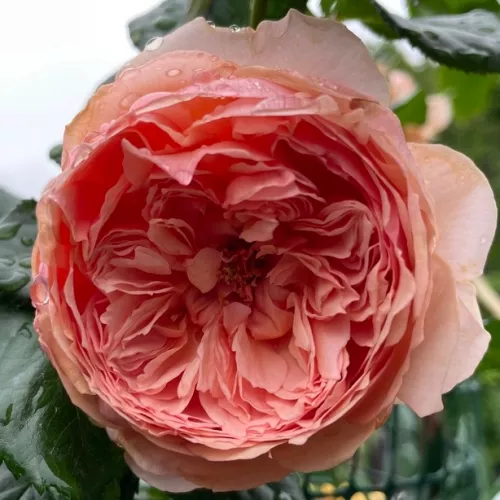
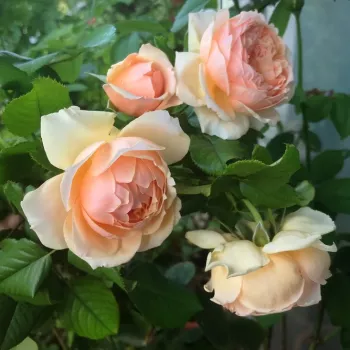
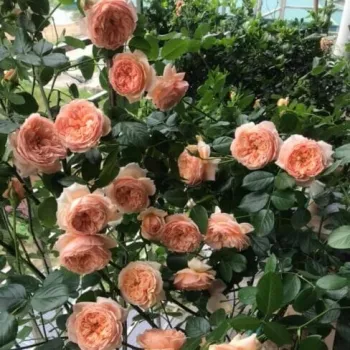
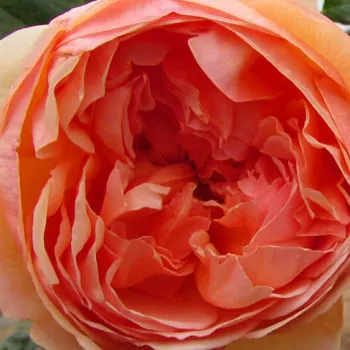
Lose-yourself fragrance, romantic flowers and an easy-going shrub habit make Masora an inviting choice for front gardens and cottage-style borders where you want reliable charm without complicated work. Its very full, clustered blooms open from deep buds into warm peach rosettes, gradually softening to cream‑peach, creating a gently shifting colour palette through the season. Bred in Japan and proven in demanding climates, it copes well with summer warmth and typical British rainfall and breezes where good drainage is provided in heavier soils. Well-suited to partial shade, it repeats generously, especially when lightly deadheaded. As an own-root plant it develops steadily, with roots in the first year, stronger top growth in the second, and full ornamental presence by the third, giving long-term stability in family gardens. In a 2‑litre pot it is straightforward to handle, establish and maintain, and its strong character makes a graceful, nostalgic focus near paths, seating areas or entranceways.
Usage options
| Target area | Reasoning |
|---|
| Front garden focal shrub |
Masora’s upright shrub habit and 110–170 cm height create an elegant vertical accent near the door or along a path, while the warm peach rosettes give a welcoming, traditional look that reads beautifully from the pavement for the style-conscious homeowner |
| Romantic cottage-style border |
The large, very full, rosette blooms and nostalgic peach tones blend effortlessly with cottage favourites and soft perennials, giving a gentle, romantic feel and repeat colour from early summer onwards that suits the cottage-loving beginner |
| Fragrant seating-area planting |
Masora’s strong fruity, tea-scented fragrance is best enjoyed up close, so placing it beside a bench or terrace allows you to benefit from its scent on still evenings and mild days, rewarding the relaxation-seeking gardener |
| Patio pot or large container |
In a 40–50 litre container with decent drainage, Masora forms a tidy, upright shrub that is easy to water and feed, bringing its nostalgic blooms and scent to small spaces or rented gardens for the practical urban resident |
| Partial-shade side garden |
Masora tolerates partial shade, so it works on east- or west-facing sides of the house where sun is limited, still producing well-formed, scented flowers and maintaining healthy foliage for the space-challenged householder |
| Heat-exposed, sheltered spot |
With good heat and drought tolerance (given regular watering in long dry spells), Masora holds its blooms respectably in warmer positions, the colour softening attractively while the plant stays robust, suiting the climate-aware planner |
| Small group planting in borders |
Planted in groups of 3–5 at around 55 cm, Masora builds a coherent, peach-toned block of repeat flowering, its own-root stability helping the group mature evenly over time for the long-term focussed owner |
| Cutting and indoor enjoyment |
The long-stemmed, large, very full blooms make generous, fragrant cut flowers; regular cutting also encourages fresh growth and further flowering, increasing garden and indoor pleasure for the scent-loving enthusiast |
Styling ideas
- PeachWelcome – Combine Masora by the front gate with lady’s mantle and low lavender to frame the path in soft peach and green froth – ideal for image-conscious homeowners.
- CottageDrift – Plant a loose trio of Masora among coral bells and grasses for an informal, romantic drift of texture and scent – perfect for relaxed cottage-garden fans.
- PatioPerfume – Grow one Masora in a 50 litre terracotta pot with trailing thyme at the base to create a scented focal point beside seating – suited to balcony and courtyard gardeners.
- ShadedElegance – Use Masora in a lightly shaded side border with hostas and ferns so the pale peach blooms glow against dark foliage – attractive for those with tricky side gardens.
- HeritageRow – Form a short, staggered line of Masora near a lawn edge, underplanted with lady’s mantle, to suggest a traditional rose walk – appealing to lovers of classic British gardens.
Technical cultivar profile
| Name and registration |
Masora is a shrub rose marketed as a Romantic rose nostalgia type; ARS exhibition name Masora, commercial name MASORA – peach nostalgic rose - Yoshiike, verified premium gold cultivar. |
| Origin and breeding |
Bred by Teizō Yoshiike in Japan in 2009 from Heritage × Amber Queen; registered 2011 and introduced after 2011, representing modern Japanese breeding with classic English-style bloom form. |
| Awards and recognition |
Winner of Gold Medal at Nagaoka International Fragrant Rose Trials 2009 and Best Rose Award at the 3rd Japanese National Fragrant Rose Competition, highlighting exceptional scent and garden performance. |
| Growth and structural characteristics |
Upright shrub 110–170 cm high and 60–100 cm wide, with moderately dense, glossy dark green foliage and moderate prickliness; flowers are not strongly self-cleaning and benefit from regular deadheading. |
| Flower morphology |
Large, very full rosette blooms with over 40 petals, produced in clusters; remontant, with abundant repeat flushes following the main flowering, giving a long decorative period in the season. |
| Colour data and phenology |
Apricot-peach blooms open from deep peach buds to rich peach and cream, then to uniform pastel peach and finally pale cream‑peach; colour holds better in cooler conditions and fades faster in heat. |
| Fragrance and aroma |
Strong, distinctive fruity, tea-scented fragrance noted in international trials; very double form reduces pollen access, so it is mainly a pleasure rose rather than a pollinator-supporting variety. |
| Hip characteristics |
Produces moderate quantities of small, spherical orange-red hips, about 10–15 mm across, adding a discreet decorative effect in late season if spent flowers are not removed. |
| Resistance and winter hardiness |
Rated to about –18 to –21 °C (USDA 6b, RHS H7, Swedish zone 3); good heat tolerance, needs watering in prolonged drought; disease resistance medium, with high powdery mildew susceptibility but black spot resistance. |
| Horticultural recommendations |
Suited to beds, specimens, large containers and cutting; plant 55 cm apart in masses, 50 cm in hedges or 90 cm as specimens; prefers regular care and occasional fungicide where powdery mildew pressure is high. |
MASORA combines strong fragrance, romantic peach flowers and reliable shrub performance on its own roots, offering a long-lived, low-fuss choice for welcoming British gardens; consider it if you enjoy classic roses without complex care.