| Front garden focal shrub |
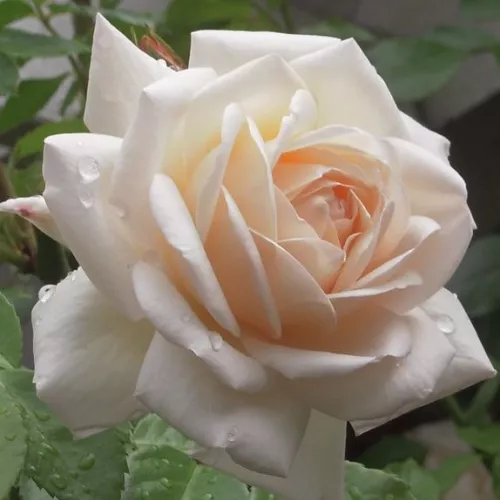
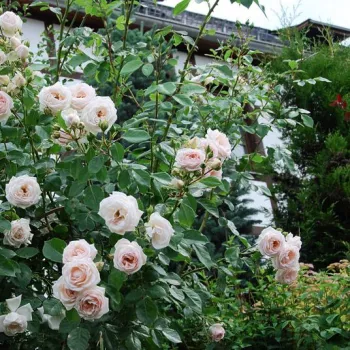
The tall, upright, bushy habit and dense foliage create an immediate vertical accent beside a path, gate or front window. Large, double, romantic blooms in soft off‑white read clearly from the pavement, giving classic cottage character without complicated shaping or feeding. Own‑root growth means it settles in and improves year on year with just basic pruning and watering, ideal for a welcoming frontage for the design‑conscious beginner. |
| Low‑maintenance mixed border |
Consistent disease resistance in typical British humidity allows this rose to sit comfortably among perennials and small shrubs without constant spraying. Its repeat flowering and moderate self‑cleaning keep the border looking tidy if you occasionally deadhead, while the strong scent draws attention near seating areas. Once established, its own‑root structure provides durable framework for long‑term border planning, suiting the busy homeowner. |
| Romantic hedge or loose screen |
With a recommended planting distance around 130–140 cm, a line of plants forms a loose, flower‑laden hedge that defines boundaries without a formal clipped look. The tall, bushy habit and good foliage cover provide privacy in summer, while the pale, nostalgic flowers soften fences or hard edges. Own‑root plants anchor well over time and regenerate from the base, valuable for a long‑lived hedge for the practical gardener. |
| Specimen rose in lawn or small bed |
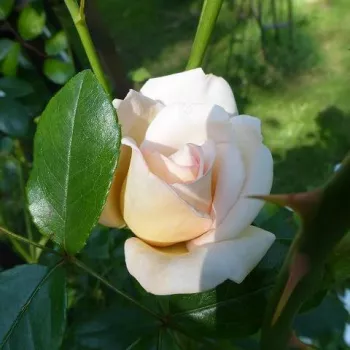
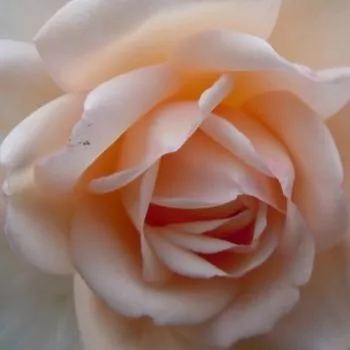
Planted as a solitary specimen at around 220 cm spacing, the shrub becomes a stand‑out feature with layered, cup‑shaped blooms and a strong, sweet aroma. Its balanced, upright shape needs only simple annual pruning, so you can maintain a classic rose look without specialist skills. The stable, own‑root framework gives confidence for a long‑term planting in a prominent spot, reassuring the cautious buyer. |
| Cut‑flower and scent corner |
Long, well‑structured stems and large, double flowers make this variety a natural choice for cutting, bringing its sweet fragrance indoors. Regular picking encourages further bloom cycles, giving reliable vases through the summer. Because the shrub is vigorous on its own roots, you can cut generously without weakening the plant, which suits the enthusiastic but time‑pressed arranger. |
| Small group planting in cottage‑style borders |
Groups of three to five shrubs create a billowing mass of ivory to soft cream flowers with a hint of pink, ideal among lavender, sweet alyssum and other traditional companions. The repeat flowering and strong scent provide continuity while perennials come and go, and the robust, own‑root base delivers a stable backbone for evolving planting schemes, appealing to the cottage‑garden lover. |
| Family garden backdrop near seating |
The combination of height, bushiness and strong, long‑lasting fragrance makes an excellent backdrop behind benches or patios. Children and guests can enjoy the scent at close range, while the good disease resistance reduces the need for chemical treatments where families gather. Its own‑root shrub form copes well with occasional neglect, suiting a relaxed, shared space for the busy family. |
| Raised bed or large container by the house |
In heavy clay or exposed plots, planting in a raised bed or very large container (at least 40–50 litres) lets this rose show its best, with controlled drainage and easier watering. The upright, bushy habit and fragrant, nostalgic flowers make a strong vertical accent near doors and terraces. Over time, the own‑root system fills the container evenly, giving a stable, enduring display for the urban gardener. |