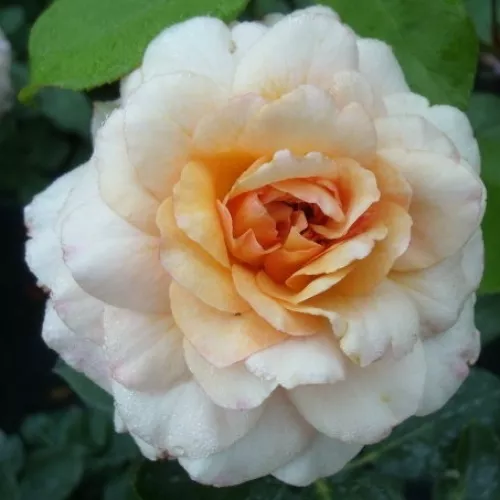
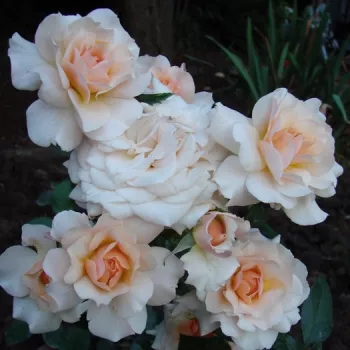
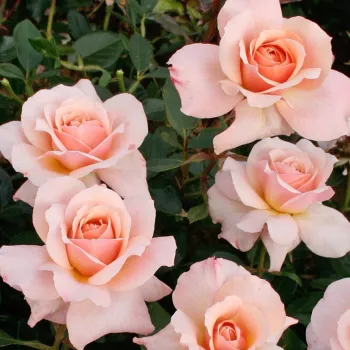
Marjolaine – apricot-coloured bedding Floribunda rose – Sauvageot
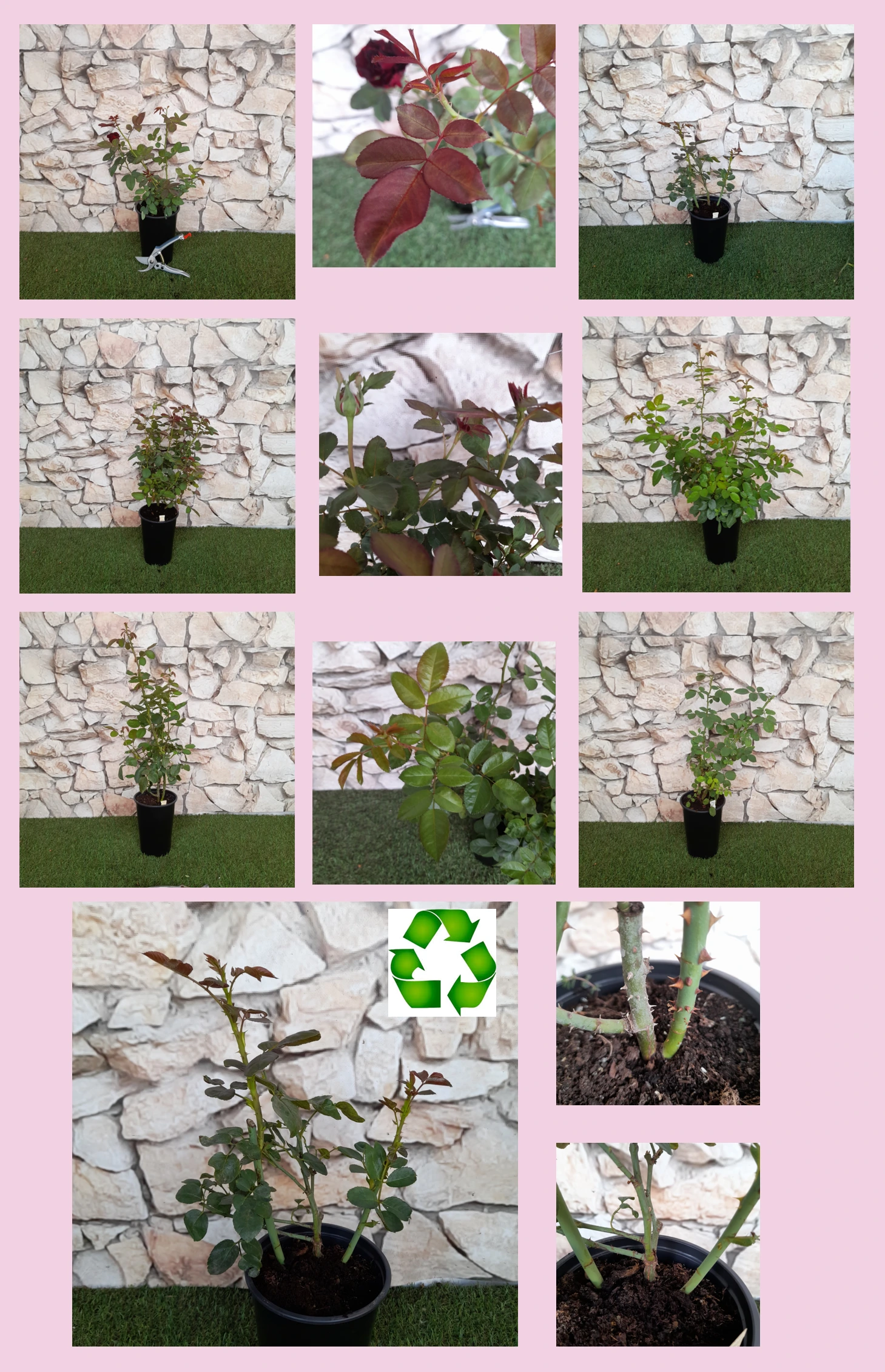
With its gently pastel apricot blooms and compact floribunda habit, Marjolaine is an easy-going choice when you want refined colour in a small front garden or neat border. The upright, moderate-height bush forms a tidy structure, ideal beside paths, drives or cottage-style planting where you prefer flowers at eye level rather than towering canes. Its very double, high-centred flowers appear in regular flushes, providing remontant interest from early summer well into autumn, while the glossy dark foliage keeps the plant looking presentable between flowerings. Planted as an own-root rose in a well-prepared bed or a large 40–50 litre container, it establishes steadily and copes well in breezier, wetter spots where good drainage supports health and reduces fuss. Over time, the bush becomes a long-lived feature: in the first year it quietly builds roots, in the second it pushes stronger shoots, and by the third season it typically shows its full ornamental value with a balanced, enduring display.
Usage options
| Target area | Reasoning |
|---|
| Front garden bedding strip along a path or driveway |
The combination of compact height and upright habit makes Marjolaine ideal where you need order and clear sightlines, yet still want a soft, welcoming feel at the front of the house; pastel blooms and tidy structure suit appearance-focused beginners. |
| Small mixed border with perennials and shrubs |
Regular repeat flowering adds colour punctuation between perennial waves, while medium maintenance needs fit easily into a simple seasonal routine, keeping the border interesting without demanding complex care for busy cottage-garden owners. |
| Group planting of 3–5 shrubs in a focal bed |
Planted at the recommended spacing, several bushes knit into a low, uniform mass of apricot blooms and dark foliage, giving a structured, almost formal effect that still feels soft, ideal for those who value a coherent, elegant space. |
| Specimen rose near a patio, seating area or entrance |
The large, very double, high-centred flowers look particularly impressive close up, and the restrained fragrance provides gentle character without overwhelming, suiting homeowners who prefer quiet refinement to strong perfume. |
| Low flowering hedge to frame a lawn or path |
Its upright, slightly bushy habit and moderate prickliness allow a defined line of plants that still feels approachable, giving a flowered edge that guides movement and creates structure for families wanting neat, readable garden layouts. |
| Large container planting on terrace or balcony |
In a 40–50 litre pot with good drainage, Marjolaine’s compact spread and steady growth make it a practical long-term container rose that offers seasonal colour where borders are limited, ideal for urban gardeners with paved or courtyard spaces. |
| Raised bed on heavy or poorly drained soil |
Where clay or wet conditions challenge roses, a raised bed and improved drainage help this medium-resistance variety maintain foliage quality and flower freely, supporting those who garden on difficult ground yet still want reliable ornament. |
| Park or shared residential planting scheme |
The balanced combination of moderate care, repeat flowering and tidy form allows Marjolaine to deliver consistent impact in communal beds over years, building value as its own-root framework matures for planners seeking durable, attractive planting. |
Styling ideas
- Cottage-Edge Trio – Plant three Marjolaine in a shallow arc with catmint (Nepeta) in front to soften the line, creating a pastel, bee-friendly edging that still looks tidy – ideal for family front gardens.
- Apricot-Focus Bed – Use a group of five shrubs in the centre of a small rectangular bed, underplanted with low silver foliage such as Stachys to emphasise the flower shape – suited to homeowners wanting a clear focal point.
- Romantic-Path Border – Alternate Marjolaine with soft pink or white floribundas along a path for a continuous, low flowering ribbon, balancing colour and structure – good for lovers of classic rose walks.
- Container-Courtyard Look – Place a single plant in a 50 litre terracotta pot, teamed with trailing thyme or ivy at the rim to hide the compost surface – perfect for small urban patios and balconies.
- Formal-Soft Hedge – Create a short boundary hedge at 35 cm spacing, backed by clipped box or low yew, so the apricot blooms float in front of evergreen structure – for gardeners seeking elegance with limited upkeep.
Technical cultivar profile
| Trait | Data |
|---|
| Name and registration |
Floribunda shrub rose registered as SAUniber, marketed as Marjolaine NIRPESPACE SAUniber; exhibition name Marjolaine, part of the NIRPESPACE collection, premium gold authenticity-verified cultivar. |
| Origin and breeding |
Bred by Bernard Sauvageot for NIRP International in France, introduced around 2000; parentage not publicly disclosed, selected for elegant flower form and garden performance in bed and group plantings. |
| Growth and structural characteristics |
Upright, bushy floribunda reaching about 75–105 cm high and 50–70 cm wide, with dense, glossy dark green foliage and moderate prickliness, forming a compact shrub suited to beds, borders and low hedging. |
| Flower morphology |
Very double, high-centred, pointed-budded flowers in clusters, over 40 petals per bloom, extra-large diameter from approximately 3.5 inches, producing a cut-rose style appearance combined with continuous garden display. |
| Colour data and phenology |
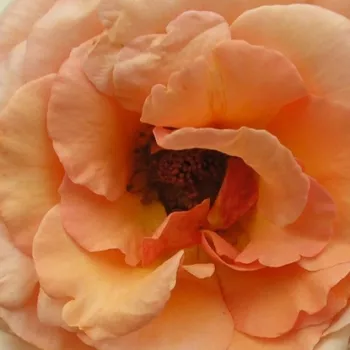
Pastel peach and salmon tones, with light salmon-orange newly opened flowers fading through pale pastel peach to cream; colour retention medium, blooms remonant with a generous second flush in suitable conditions. |
| Fragrance and aroma |
Mild, restrained scent with a subtle character; primarily chosen for visual effect rather than perfume, offering gentle background fragrance instead of dominating the surrounding seating or living spaces. |
| Hip characteristics |
Occasionally develops small ellipsoid red hips, about 6–10 mm in diameter, adding modest late-season interest where spent blooms are left in place rather than regularly deadheaded for repeat flowering. |
| Resistance and winter hardiness |
Medium disease resistance to black spot, mildew and rust; performs well in heat with irrigation during drought; hardy approximately to −21 to −18 °C (RHS H7, USDA 6b, Swedish Zone 3) with normal garden protection. |
| Horticultural recommendations |
Best in sunny positions with fertile, well-drained soil; plant 40 cm apart in beds, 35 cm for hedges, 65 cm as specimens, aiming for around 5.7–6.5 plants per m² in mass plantings for full coverage. |
Marjolaine offers compact structure, repeat flowering and soft apricot blooms on a durable own-root shrub that settles in steadily, making it a thoughtful choice for easy-care, long-lasting colour in everyday family gardens.