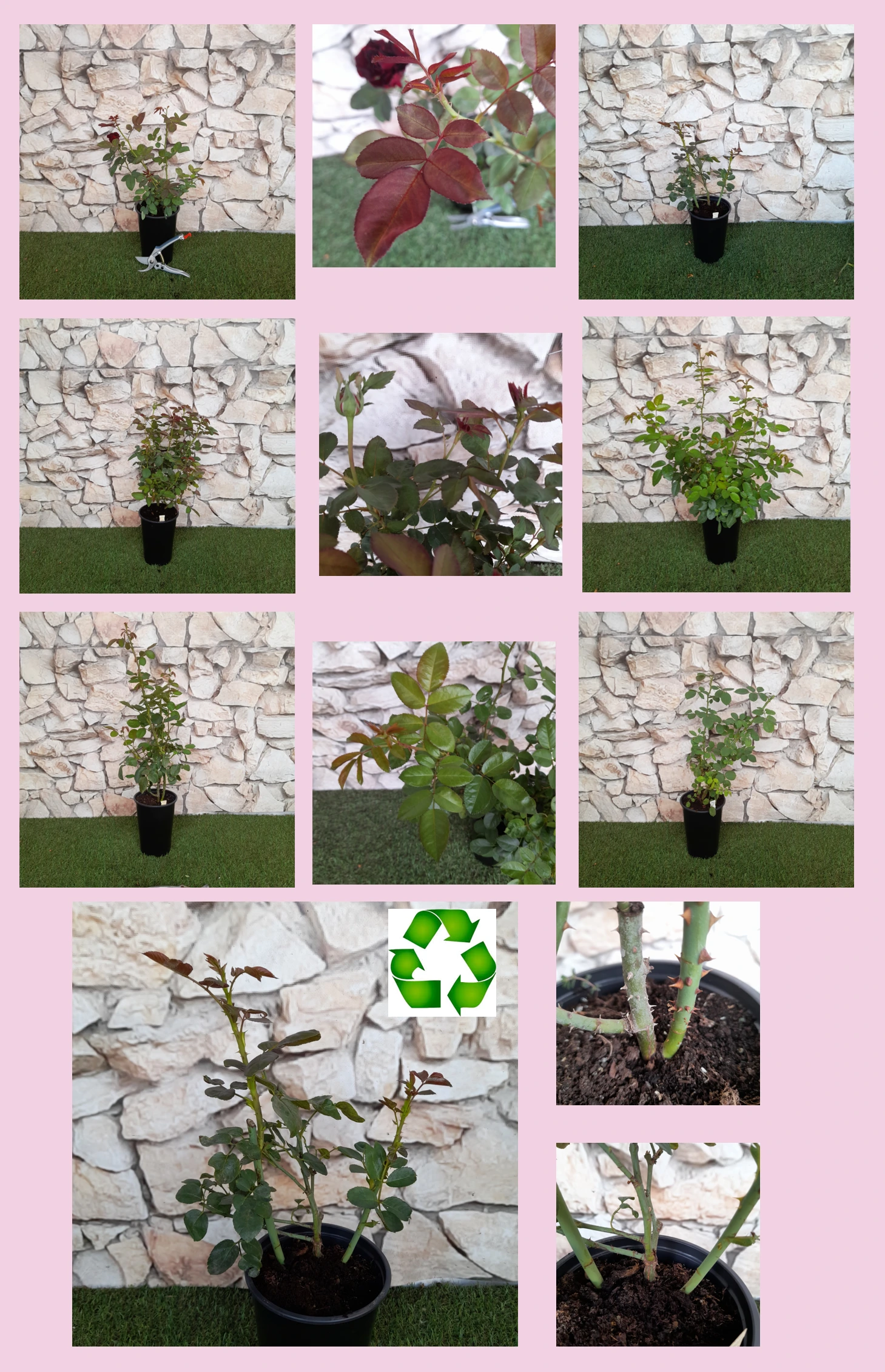
MARIE NATALE – apricot-pink tea hybrid rose - Nakazawa
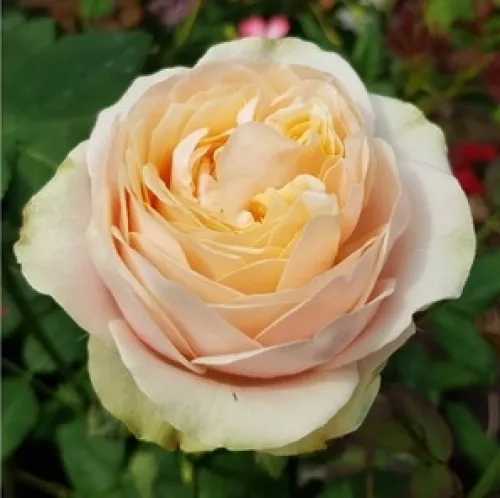
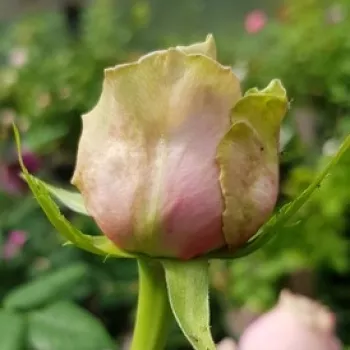
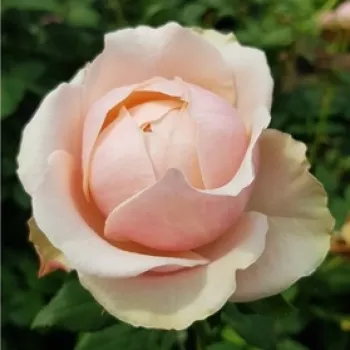
In an average British family garden, MARIE NATALE offers reliable colour and an indulgent fragrance without demanding complicated maintenance. This upright, compact hybrid tea fits neatly beside paths, in small borders and front gardens where space is limited yet you still want classic cutting stems. Its dense foliage and medium disease tolerance respond well to basic care and good air circulation, even where wetter spells and wind call for thoughtful drainage and positioning. The large, globular blooms open from deep pink buds to creamy apricot-pink rosettes, ideal for vases as well as outdoor display. As an own-root plant it settles gradually, strengthening its root system, then building top growth, before reaching full ornamental presence over its first three seasons, giving you a long-lived, steadily maturing garden feature.
Usage options
| Target area | Reasoning |
|---|
| Front garden focal point |
The upright, compact habit and XL, globular blooms create an elegant welcome near the front door or gate, giving clear structure without overpowering a small space, especially appreciated by style-conscious beginners. |
| Small mixed border in family gardens |
Fits smoothly into modest borders with perennials and shrubs, its medium maintenance needs met by simple seasonal feeding, light pruning and occasional disease checks, reassuring for busy homeowners. |
| Cutting corner for home bouquets |
Very double, solitary flowers on straight, upright stems are ideal for home cutting, providing fragrant apricot-pink blooms for vases without needing specialist techniques, rewarding enthusiastic hobby-gardeners. |
| Pairing beside paths and patios |
Dense foliage and contained spread make neat, linear plantings along paths or patios, while the strong scent enhances seating areas and evening use, particularly enjoyed by space-aware urbanites. |
| Small group planting in cottage-style beds |
Planting 3–5 together at the recommended spacings forms a coherent, rounded group that flowers repeatedly, blending naturally with cottage perennials for romantically toned borders, suiting cottage-garden enthusiasts. |
| Feature rose in raised or improved beds |
Performs well when given reasonable soil and drainage; in heavier or wetter plots a raised bed or improved border supports root health and stability, especially useful for clay-garden owners. |
| Large containers and terrace planters |
The moderate height and upright form adapt well to large pots of at least 40–50 litres, creating a movable accent of scented bloom for terraces and balconies, ideal for low-effort container-gardeners. |
| Long-term structural rose in family plots |
Own-root growth allows gradual, resilient development of a balanced bush that can regenerate from the base, supporting long-lived planting plans in typical family gardens, reassuring long-range planners. |
Styling ideas
- Pastel Pathway – Line a front-garden path with Marie Natale and low evergreen edging for a soft, romantic approach – for homeowners who value tidy structure with gentle colour.
- Cottage Cluster – Plant a trio among lupins and Virginia obedient plant to echo the apricot-pink tones in a relaxed, country-style bed – for lovers of informal cottage gardens.
- Scented Seating – Position in a large container near a favourite bench so the strong fruity fragrance can be enjoyed on summer evenings – for those who unwind outdoors after work.
- Elegant Entrance – Flank a front door with two matching pots, underplanted with low evergreens, for a classic, welcoming focal point – for urban gardeners seeking smart kerb appeal.
- Cutting Corner – Dedicate a sunny border section to several plants spaced for easy access, supplying regular, long-stemmed blooms for the house – for beginners keen to grow their own cut flowers.
Technical cultivar profile
| Parameter | Data |
|---|
| Name and registration |
Hybrid tea florist rose marketed as Marie Natale hybrid tea rose Nakazawa; part of the hybrid tea rose commercial group, premium gold quality, own-root in a 2-litre container. |
| Origin and breeding |
Bred by Tadashi Nakazawa in Japan in 2006; parentage and initial distribution are not recorded, but it follows the classic cut-flower hybrid tea tradition adapted for garden use. |
| Growth and structural characteristics |
Upright, bushy plant 75–110 cm high and 50–70 cm wide, with dense, mid-green, slightly glossy foliage and moderate prickliness, forming a balanced, well-filled shrub in ordinary garden conditions. |
| Flower morphology |
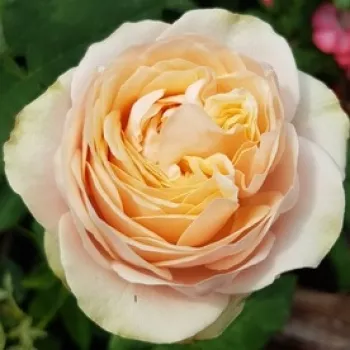
Very double, globular to pompon blooms with 40+ petals, borne mainly singly on stems; extra-large flowers around 3.5 inches across, remontant with a generous second flush through the season. |
| Colour data and phenology |
Apricot-pink flowers with warm peach centres and creamy outer petals; colour lightens as blooms open, developing soft cream-pink and a silvery, slightly greenish tinge just before fading. |
| Fragrance and aroma |
Strong, full-bodied fruity scent clearly noticeable in the garden and indoors; fully double form limits pollinator access, making it primarily an ornamental and cutting variety rather than wildlife-focused. |
| Hip characteristics |
Rosehip set is generally low due to the very double flower form; any hips that appear are usually sparse and ornamental only, with no particular value for harvesting or wildlife planting schemes. |
| Resistance and winter hardiness |
Hardy to about −21 to −18 °C (RHS H7, Swedish zone 3, USDA 6b); disease resistance medium, with typical susceptibility to black spot, powdery mildew and rust requiring occasional monitoring. |
| Horticultural recommendations |
Best in full sun with fertile, well-drained soil; medium maintenance, favouring regular feeding, mulching, basic pruning and, when needed, fungicidal protection to sustain foliage and flowering performance. |
MARIE NATALE offers large, scented apricot-pink blooms, a compact, upright habit and enduring own-root vigour, making it a thoughtful choice when you would like dependable beauty from a manageable hybrid tea rose.