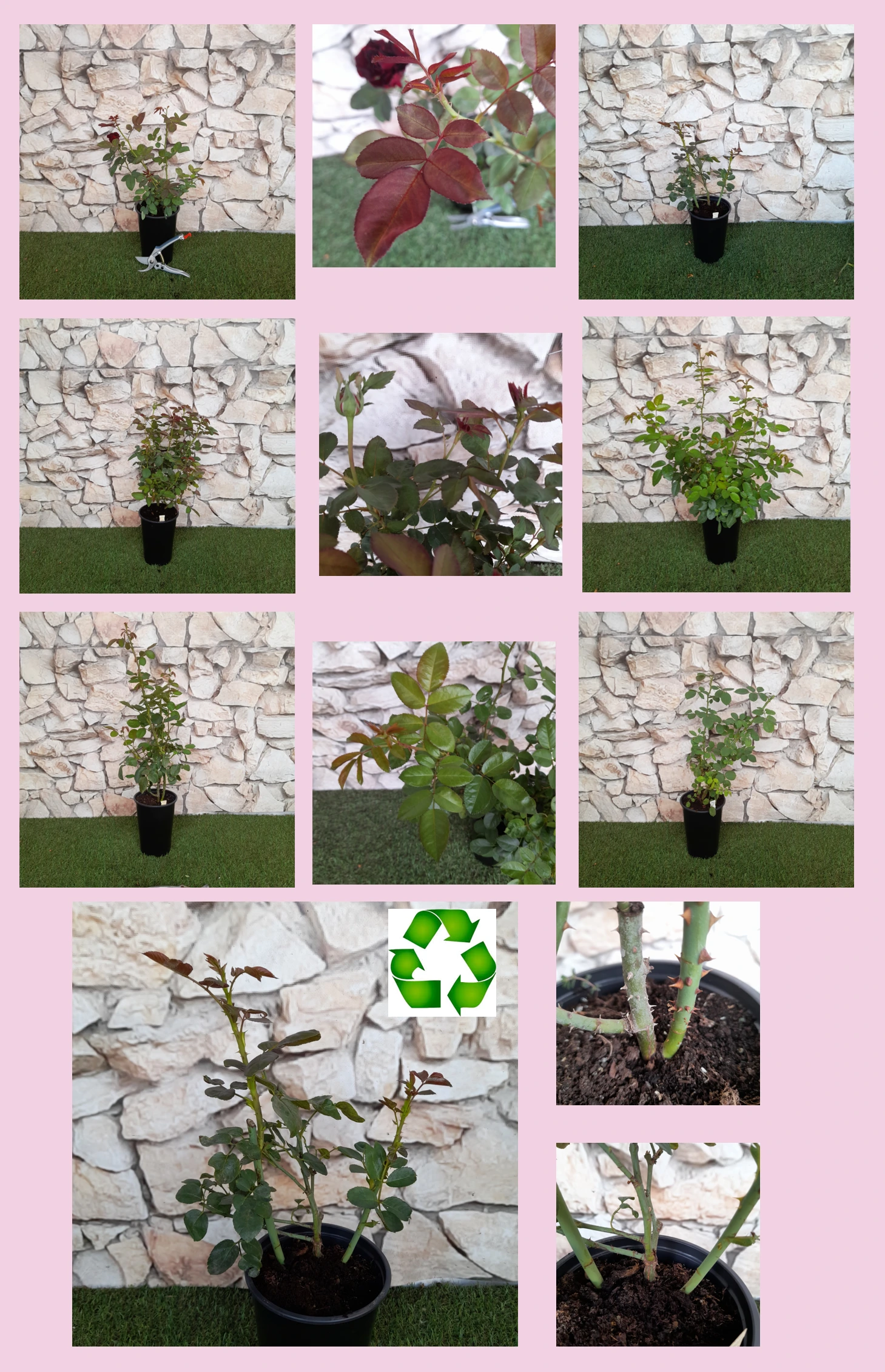
MANDY ® – red dwarf miniature rose – Kordes
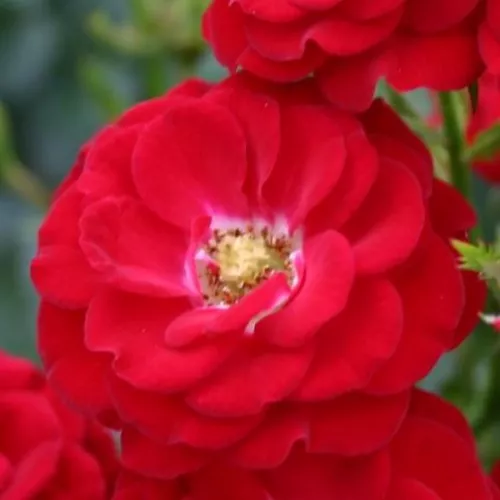
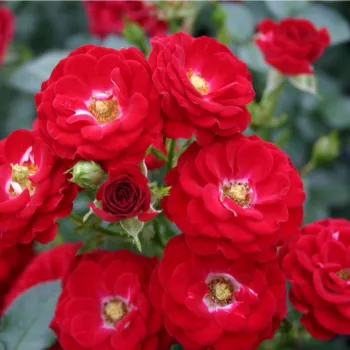
Compact flowered borders and neat, low edging are where Mandy® excels, creating a vibrant carpet of clear, vivid red blooms on a naturally tidy, dwarf framework that suits small British gardens and urban spaces. Its glossy, dark green foliage and clusters of semi-double flowers bring colour right up to the path or patio, while the own-root form matures steadily for a long-lived, balanced little shrub that stands up well in sunny, heat-prone corners and copes reliably with breezy, rain-exposed front gardens. In a large container or raised bed it can be paired with lavender or other cottage favourites for a classic look, and with simple seasonal care you can enjoy generous repeat flowering from late spring onwards. Think of Mandy® as a small-scale structural anchor for your planting: year one concentrates on underground root-building, year two on stronger top growth, and by year three it shows its full ornamental value in beds, pots and groundcover ribbons.
Usage options
| Target area |
Reasoning |
| Low edging along paths or driveways |
The natural dwarf habit and dense, dark green foliage form a clean, low line that frames paths without overwhelming them, ideal where you want order and colour in a tight space, particularly for the style-conscious beginner gardener. |
| Front-of-border colour strip in small beds |
Abundant clusters of small, semi-double blooms create a vivid red ribbon at the front of mixed borders, giving continuous interest without hiding taller perennials behind, well suited to busy homeowners who want clear visual impact. |
| Feature planting in large patio containers (40–50 litres+) |
The compact root system and modest height suit substantial pots, where good watering and feeding are easier to manage on a terrace or balcony, appealing to urban gardeners looking for reliable colour close to seating areas. |
| Groundcover in sunny, heat-prone corners |
Its good tolerance of summer heat allows it to carpet exposed spots that might stress less robust plants, provided you water during prolonged drought, making it attractive for water-aware gardeners planning resilient plantings. |
| Small groupings for cottage-style front gardens |
Planting in groups of three to five creates a compact, cohesive block of red that echoes traditional cottage gardens while staying low and tidy, ideal for those seeking classic charm on a modest scale in family front gardens. |
| Neat edging to lawns or seating areas |
The combination of short height and dense framework produces a defined boundary line that softens hard edges without demanding complex pruning, suiting householders who prefer straightforward trimming once a year. |
| Long-term structure in small rose beds |
As an own-root dwarf rose, it builds a durable framework that can regenerate from the base, supporting a long planting life when basic care is maintained over the years, reassuring planners of low, lasting rose features. |
| Raised beds and containers in exposed, rainy sites |
In raised beds or large pots, drainage and root health are easier to control, helping it cope better with frequent rain and wind in coastal-style conditions, particularly useful for novice gardeners in wetter, breezier regions. |
Styling ideas
- Cottage-edge – Line a narrow front path with Mandy® and interplant small clumps of lavender for scent and soft contrast – ideal for homeowners recreating a classic cottage approach in limited space.
- Patio-focus – Position a single Mandy® in a 50-litre terracotta pot beside a bench, underplant with trailing thyme to spill over the rim – perfect for urban balcony and courtyard gardeners.
- Scarlet-ribbon – Create a low, continuous red strip along a lawn edge by repeating Mandy® at regular intervals – suited to families wanting a tidy, easy-to-mow frame to the grass.
- Mini-mosaic – Combine Mandy® with low grasses and hare’s-ear in a raised bed for textural contrast and long-season structure – good for design-conscious beginners experimenting with simple mixed planting.
- Front-border – Use Mandy® in groups of three in front of taller perennials such as Crocosmia ‘Lucifer’ to knit the display together – attractive for gardeners seeking a compact, coordinating rose layer.
Technical cultivar profile
| Parameter |
Data |
| Name and registration |
Miniature dwarf rose in the Lilliputs® collection; registered as KORexmini and marketed mainly as Mandy®, also listed as Mandy ® Lilliputs® KORexmini in trade. |
| Origin and breeding |
Bred by Wilhelm Kordes, W. Kordes’ Söhne, Germany, around 2000; introduced commercially in 2011 after selection for compact habit and decorative value in small gardens and containers. |
| Growth and structural characteristics |
Compact shrub 40–60 cm tall and 25–35 cm wide, with dense, glossy, dark green foliage and sparse prickles; forms a neat, bushy dwarf plant suited to edging, containers and small-group plantings. |
| Flower morphology |
Semi-double, cupped blooms with 13–25 petals, borne in clusters on short stems; small flower size (about 0.5–1.5 inches) with good repeat, including a notably generous second flush in season. |
| Colour data and phenology |
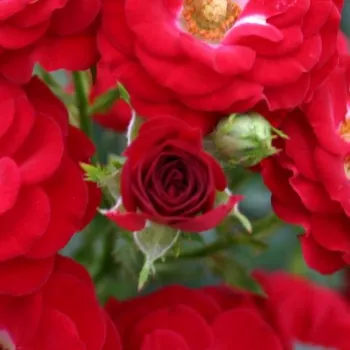
Clear, vivid red blooms with slight scarlet tone; ARS code MR, RHS 46A outer, 46B inner; colour holds very well with only slight fading, maintaining a uniform red from bud opening through to full bloom. |
| Fragrance and aroma |
No noticeable scent; bred primarily for colour effect and compact structure rather than perfume, making it best used where visual impact is the priority and fragrance can come from companion plants nearby. |
| Hip characteristics |
Produces moderate numbers of small spherical hips, about 5–7 mm in diameter, coloured orange-red (RHS 34B), adding a discreet decorative element later in the season without dominating the plant. |
| Resistance and winter hardiness |
Hardy to approximately −21 to −18 °C (RHS H7, USDA 6b, Swedish zone 3), tolerating typical UK winters; disease resistance is weak, so regular monitoring and timely fungicidal care are recommended. |
| Horticultural recommendations |
Prefers full sun in fertile, well-drained soil; spacing 25–45 cm depending on use; best with consistent watering in dry spells and proactive disease management, especially against black spot, mildew and rust. |
MANDY ® offers compact structure, vivid red repeat flowering and durable own-root growth in small gardens and containers, making it a considered choice if you value long-term colour from a modestly sized rose.