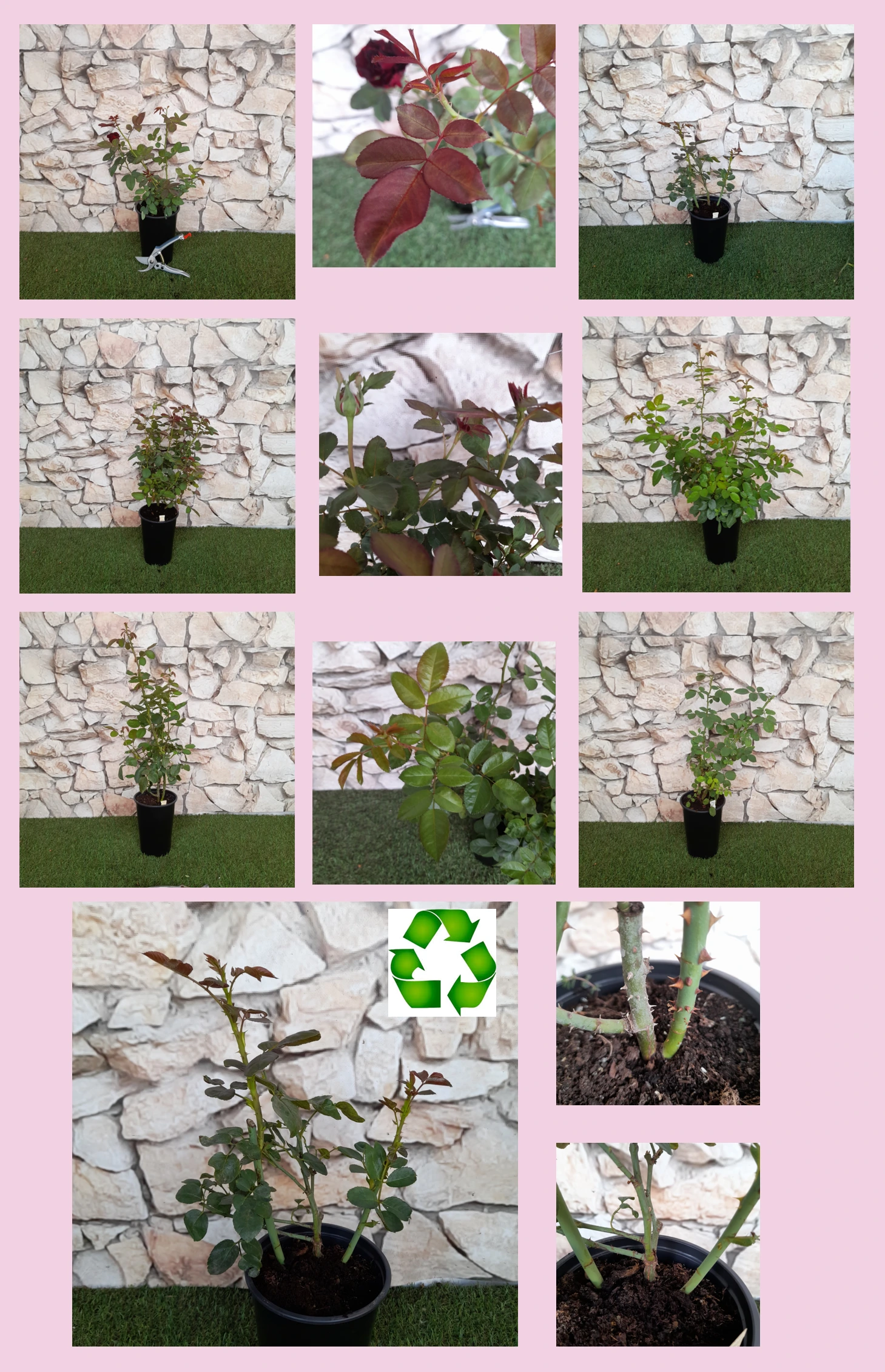
MALAGA – orange-peach hybrid tea rose – Interplant
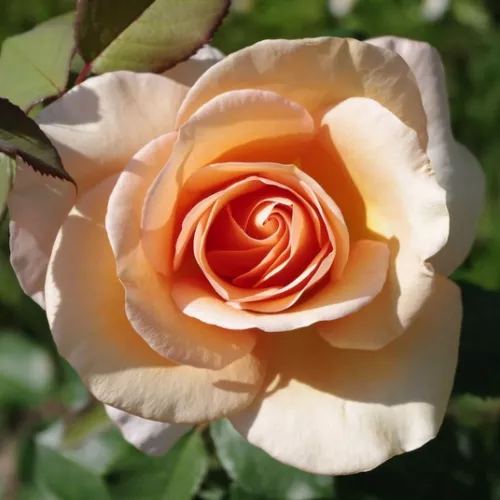
This compact hybrid tea offers reliable colour and classic form for small British gardens, producing elegant stems that work beautifully both in the border and as cut flowers. Its warm peach-orange blooms repeat generously through the season, while the semi-double shape and visible stamens provide gentle support for local pollinators. On its own roots it develops steadily into a balanced, upright bush with good long-term stability and the ability to regenerate if pruning is less than perfect. Well-suited to typical UK conditions, it responds well to regular watering and sensible feeding, coping reliably even where soils are heavy as long as you provide improved drainage, such as a raised bed or well-prepared planting hole. Over the first few seasons it follows a natural rhythm – first deepening its roots, then building strong shoots, before settling into its full ornamental character with lasting, tidy structure and dependable flowering.
Usage options
| Target area |
Reasoning |
| Front garden feature rose |
The upright, compact habit and moderate height make this variety ideal beside paths or near the front door, where its tidy outline and warm peach-orange flowers give a welcoming, orderly look with limited pruning and straightforward seasonal care for the busy homeowner. |
| Small mixed border with perennials |
Its semi-double blooms and dark green foliage integrate easily with cottage-style planting, pairing well with lavender or blue perennials, while the own-root structure matures into a steady, long-lived bush that continues to perform without complex reshaping for the relaxed gardener. |
| Cutting patch near the house |
As a hybrid tea with largely solitary, long-stemmed flowers, this cultivar provides a regular supply of elegant blooms for vases, responding well to cutting by producing further flushes, balancing decorative beds with practical indoor use for the home flower-lover. |
| Pollinator-friendly rose and fruit corner |
The semi-double form with accessible stamens, combined with reliable fruit set and abundant small hips, supports visiting insects in season and offers decorative hips later, creating a subtly wildlife-aware yet ornamental area for the nature-conscious gardener. |
| Raised bed or improved heavy-clay border |
In borders where soil is on the heavy side, placing this rose into a raised or well-drained bed lets its own-root system anchor deeply and remain healthy, helping the plant cope better with wet spells and routine UK rainfall for the practical planner. |
| Low-maintenance small group planting (3–5 plants) |
Planted in a tight group, the moderately dense foliage knits into a compact block of colour, needing only occasional deadheading, while the own-root habit keeps the stand even and uniform over time for the time-pressed beginner. |
| Large container on patio or terrace |
Its upright, contained growth suits a substantial container of at least 40–50 litres, where regular watering and feeding are easy to manage, giving reliable flowers at eye level without demanding complex border design for the urban balcony-owner. |
| Long-term family garden rose bed |
Moderate maintenance and good resistance to common problems make it a dependable backbone rose, and being on its own roots it can regenerate from lower buds after harder pruning or winter damage, giving many seasons of service for the long-term planner. |
Styling ideas
- Cottage Glow – Combine with lavender and catmint in a small border so the soft peach blooms float above cool blues and mauves – ideal for lovers of relaxed cottage style.
- Front-Door Welcome – Plant a pair in matching pots either side of a path or porch to frame the entrance with tidy form and warm colour – suited to homeowners wanting simple symmetry.
- Sunset Border – Team with apricot, cream and soft red roses plus ornamental grasses to build a sunset-toned strip along a fence – perfect for those seeking coordinated, warm palettes.
- Cutting Corner – Dedicate a sunny bed with rows of this rose and seasonal annuals to provide reliable stems for the vase – good for creative gardeners who enjoy arranging flowers.
- Wildlife Accent – Mix with late-flowering perennials and ornamental grasses, then let the hips develop for autumn interest and subtle wildlife value – attractive to nature-minded families.
Technical cultivar profile
| Parameter |
Data |
| Name and registration |
Hybrid tea rose, registered as INTergala, marketed as Malaga Hybrid tea rose INTergala; exhibition name Malaga; commercial hybrid tea for garden and cutting use. |
| Origin and breeding |
Bred by Interplant Roses B.V. in the Netherlands, with parentage not recorded; introduced and registered in 2000 as a modern hybrid tea cultivar for ornamental and cutting purposes. |
| Growth and structural characteristics |
Compact, upright hybrid tea bush reaching around 70–95 cm high and 40–60 cm wide, with moderately dense, dark green, slightly glossy foliage and moderate prickliness for easy handling. |
| Flower morphology |
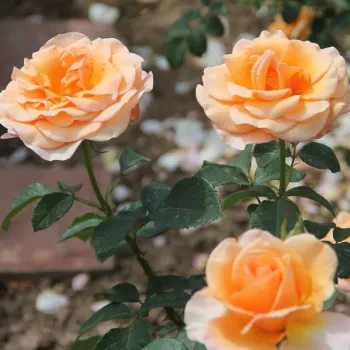
Semi-double, cupped to slightly rosette-shaped blooms, mostly solitary on stems; large flowers with approximately 13–25 petals, remontant with especially abundant second flush in season. |
| Colour data and phenology |
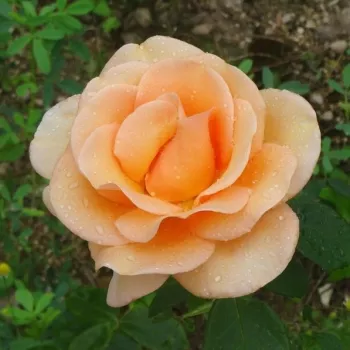
Peach-orange flowers with salmon sheen; buds deep peach-orange, opening vivid orange, then fading through pastel peach-pink to soft creamy tones, with generally good colour retention in garden conditions. |
| Fragrance and aroma |
Medium-strength fragrance with a distinct peach-like character, noticeable at close range along paths or terraces, contributing both ornamental value and sensory interest in smaller family gardens. |
| Hip characteristics |
Produces numerous small, ellipsoidal hips around 8–12 mm in diameter, orange-red (RHS 40A), suitable for seasonal ornamental display in the garden or as decorative cut fruit in arrangements. |
| Resistance and winter hardiness |
Hardy to approximately −21 to −18 °C (RHS H7, USDA 6b); generally resistant to powdery mildew and black spot, with moderate rust sensitivity; appreciates regular watering in extended heat or drought. |
| Horticultural recommendations |
Best in sunny positions with well-drained soil; plant 45 cm apart in beds or 75 cm as specimens; moderate maintenance with occasional plant protection and deadheading for sustained, tidy flowering. |
MALAGA offers warm peach-orange blooms for cutting, an upright compact habit and own-root stamina for long-term garden use, making it a thoughtful choice when planning an easy, good-looking family rose bed.