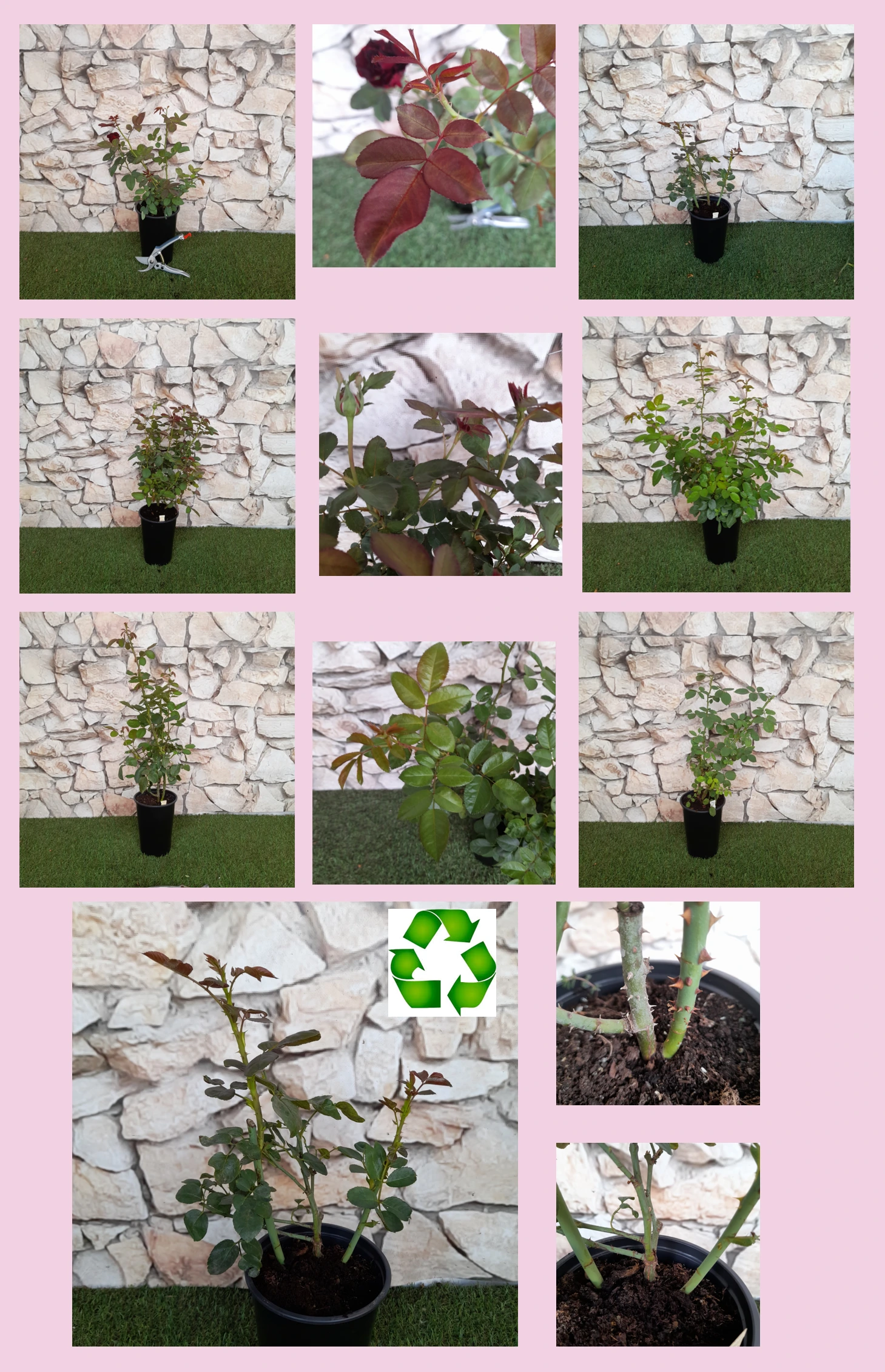
MAGYAROK NAGYASSZONYA – dark pink–yellow hybrid tea rose - Márk
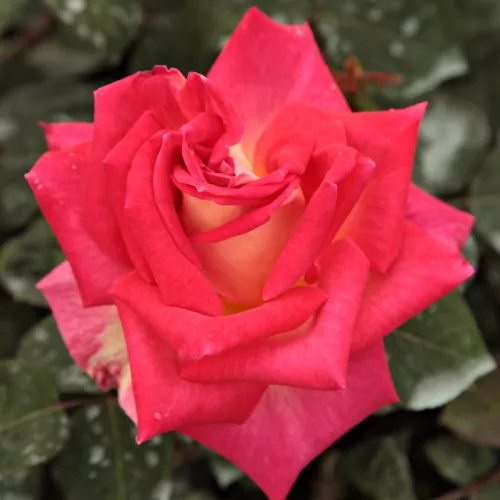
This elegant hybrid tea offers colour contrast that immediately draws the eye, with cyclamen-pink outer petals opening to a creamy-yellow centre in a classic, high-centred form ideal for both beds and cutting. Bred by Márk Gergely, it brings medium-height, upright structure that slots neatly into small borders and front gardens, giving a tidy, “looked-after” effect without complex pruning rules. Its medium maintenance needs are manageable for hobby gardeners: simple seasonal care and occasional pest control are enough for reliable flowering and a generous second flush. Own-root cultivation supports long-term stability and regeneration, so the bush keeps its ornamental value year after year, even after harder winters. In sunny British plots where you may also face heavier soils and need to ensure good drainage after rain and wind, this variety’s good heat and drought resilience helps it cope well once established. The pleasantly sweet, spicy fragrance enriches seating areas and paths, while its cut-flower performance lets you bring long-stemmed blooms indoors. Expect a natural development arc where roots consolidate in the first year, top growth and flowering build in the second, and full impact arrives by around the third year, creating a long-lived, classic presence in a family garden.
Usage options
| Target area |
Reasoning |
| Small front garden bed by the path |
The medium-height, upright habit keeps a narrow strip looking ordered and welcoming without shading windows or pavements. Its refined bicolour flowers create a focal point by the front door, with care limited to basic feeding, watering and light pruning – well suited to busy beginners |
| Sunny mixed border with perennials |
The rich cyclamen-pink and creamy-yellow blooms pair beautifully with softer cottage perennials, adding clear vertical stems and repeat flowers that knit the border together across the season. This long-lived own-root rose settles in gradually and then holds its place for years, making it a dependable “anchor” plant for cottage-garden lovers |
| Dedicated rose bed for classic blooms |
Planted in groups at the recommended spacing, it forms a neat, coherent planting of hybrid tea blooms with a strong repeat-flowering rhythm. Once the structure is set, maintenance remains straightforward: annual pruning, feeding, and occasional pest checks keep the bed performing consistently for hobby gardeners |
| Cutting patch near the house |
High-centred, pointed buds on straight stems provide reliable, vase-worthy material with a sweet, spicy scent ideal for indoor arrangements. The predictable flower form and remontant habit make it easy to cut regularly through the season without depleting the plant, rewarding even modest care from home florists |
| Family seating or terrace area |
Medium-strength fragrance and strong visual contrast mean a small group of plants gives a lot of sensory impact close to outdoor seating. The moderate height keeps sight-lines open while still framing the space, and simple seasonal care is all that is needed for a refined backdrop for family gatherings |
| Formal front-garden layout with low hedging |
Regular planting at hedging distances produces a low, upright line that reads as a formal edging when in leaf, then switches to a richly coloured flower ribbon in summer. This clear structure is easy to read and maintain, suiting owners who like order but not intensive work, especially neat-front-garden owners |
| Small urban garden with warm microclimate |
Good heat and drought tolerance helps it cope with paved surroundings and reflected warmth, as long as moisture is monitored. In such tight spaces, a single shrub or a short row gives notable colour and scent with limited effort, ideal for time-poor but quality-conscious city gardeners |
| Raised bed on heavier or wetter soils |
Where soil is heavier or prone to sitting wet, planting in a raised bed improves drainage and lets the own-root plant develop a balanced, durable bush that shrugs off typical British weather swings. This supports steady flowering and shape with only moderate ongoing input from practical homeowners |
Styling ideas
- Classic trio – Plant three in a triangle near the front door for a compact, structured welcome display that flowers repeatedly through summer – aimed at homeowners seeking an elegant but simple focal point
- Cottage mix – Combine with airy perennials and Anemone ‘Fantasy Belle’ for soft textures around the bold bicolour blooms – ideal for cottage-style gardeners wanting colour and fragrance without complex schemes
- Colour ribbon – Line a low path or drive edge with evenly spaced plants to form a formal rose border of upright, repeat-flowering stems – for those who like a tidy, traditional front garden
- Cutting corner – Dedicate a sunny corner bed to several plants for a reliable source of high-centred stems for vases – suited to gardeners who enjoy bringing home-grown flowers indoors
- Patio frame – Use one or two specimens in 40–50 litre containers to flank a terrace, pairing with low evergreen groundcovers for year-round structure – perfect for small-plot owners needing portable, manageable impact
Technical cultivar profile
| Parameter |
Data |
| Name and registration |
MAGYAROK NAGYASSZONYA – dark pink–yellow hybrid tea rose; hybrid tea group; commercial type and group hybrid tea rose; trade name verified for authenticity by PharmaRosa. |
| Origin and breeding |
Bred in Hungary in 2000 by Márk Gergely; parentage not known. Initial distribution by PharmaRosa Ltd; introduction and registration years not documented in available records. |
| Growth and structural characteristics |
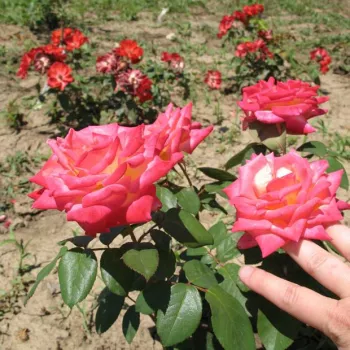
Medium bush, 55–75 cm tall with 50–70 cm spread, upright habit and moderately dense, glossy dark green foliage. Moderately thorny canes form a compact, easy-to-place garden shrub. |
| Flower morphology |
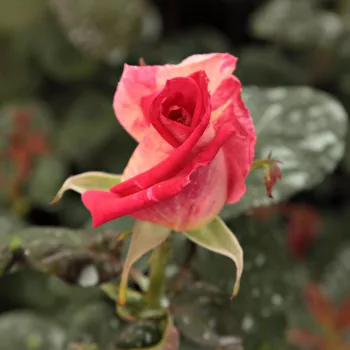
Medium-sized, double flowers with 26–39 petals produced mainly singly on stems. Classic high-centred, pointed buds of cut-rose type, providing refined, exhibition-style blooms for garden and vase. |
| Colour data and phenology |
Bright cyclamen-pink outer petals with creamy-yellow centre and whitish transition. ARS RB; RHS 187A outer, 11C inner. Colour gradually softens to salmon-pink and cream as blooms age. |
| Fragrance and aroma |
Medium-strength scent with a pleasantly sweet, spicy character, noticeable at close range and suitable for seating areas or cutting for indoor enjoyment without being overpowering. |
| Hip characteristics |
Due to its double flowers, hip set is sparse; any hips formed are red, ellipsoid, around 10–14 mm in diameter, offering limited ornamental interest and generally not a dominant feature. |
| Resistance and winter hardiness |
Good heat and drought tolerance once established. Winter hardy to approximately -21 to -18 °C; RHS H7, Swedish zone 3, USDA 6b. Disease resistance is medium to common fungal issues. |
| Horticultural recommendations |
Best in sunny sites with well-drained soil. Suitable for flower beds and cutting. Medium maintenance: annual pruning, balanced feeding, and occasional pest and disease checks ensure strong repeat flowering. |
MAGYAROK NAGYASSZONYA suits smaller family gardens with its compact structure, repeat flowering and sweet fragrance, while the own-root form supports long-term reliability; an excellent choice if you want a classic rose that quietly earns its keep.