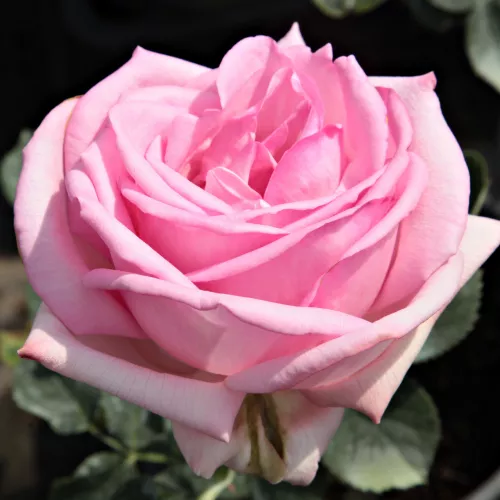
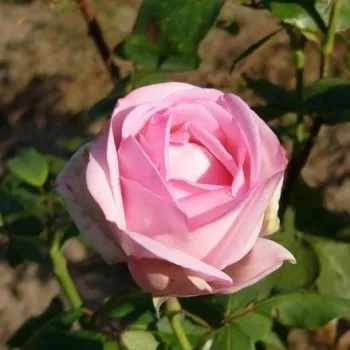
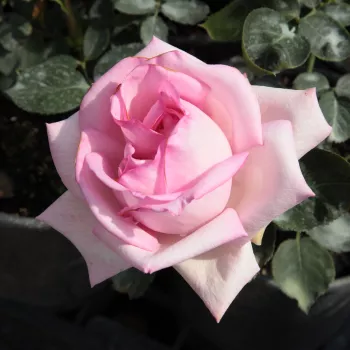
Madame Maurice de Luze – hybrid tea rose
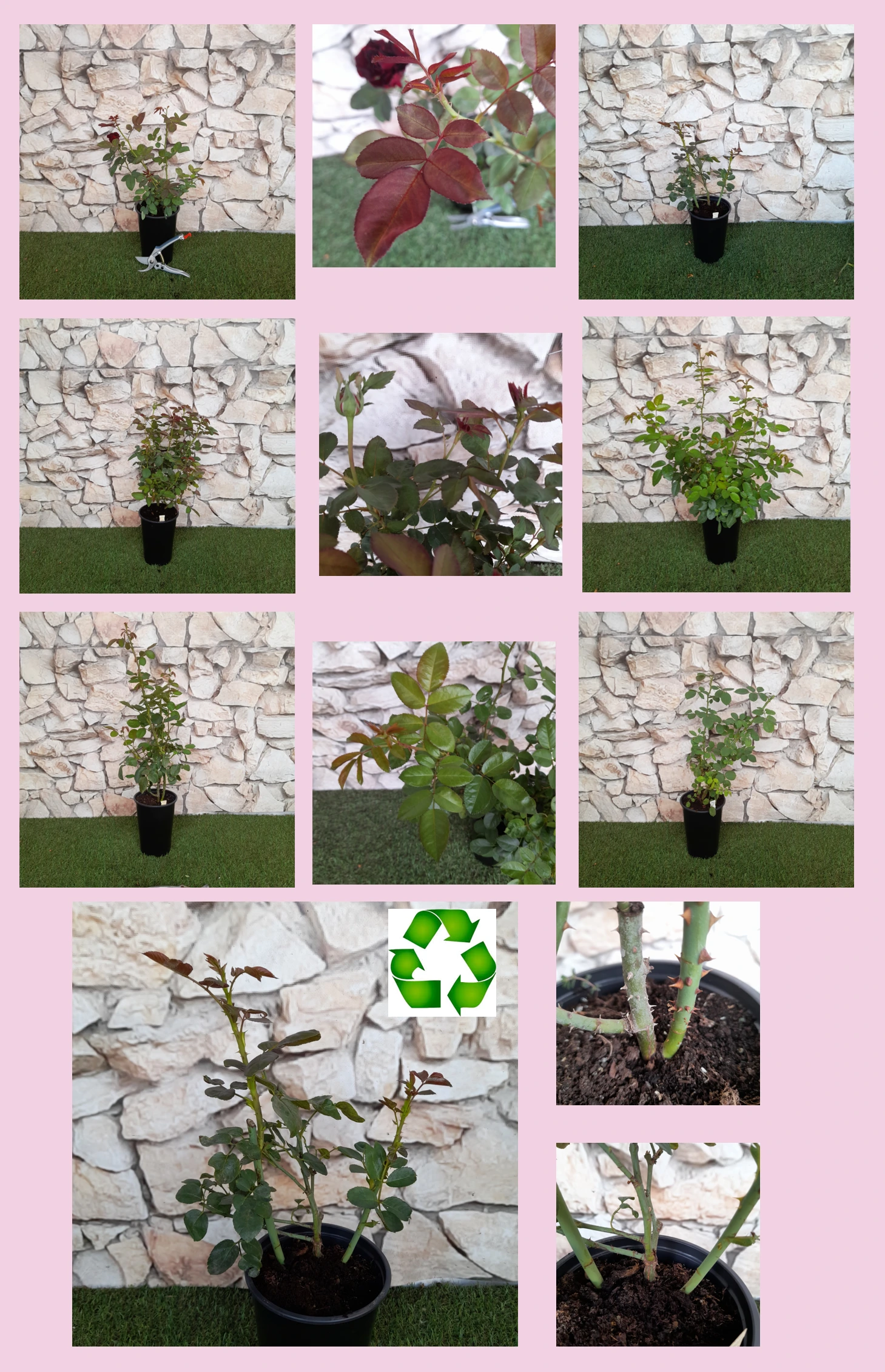
Fragrant and richly coloured, Madame Maurice de Luze brings classic hybrid tea elegance to modest front gardens as well as more formal borders, rewarding you with strongly remontant, repeat flowering from early summer onwards. Its upright habit makes it easy to place as a specimen or in small groups without crowding paths, while the medium-tall size sits comfortably in the average British family garden. Medium disease resistance, with useful black spot tolerance, supports reliable performance in humid weather and breezy sites where good air movement helps manage persistent rainfall and wind. The blooms have a powerful, sweet-fruity fragrance that carries across a seating area, and sturdy stems lend themselves to cutting so you can enjoy the same refined blooms indoors. As an own-root shrub it establishes steadily, developing a stable framework for many years of ornamental value in beds, borders or a large 40–50 litre pot, following a natural rhythm of Year 1 roots, Year 2 shoots, Year 3 full display.
Usage options
| Target area |
Reasoning |
| Front garden focal point |
The upright, medium-tall habit creates an immediate focal point near the front door or along a path without overwhelming a small space, giving a tidy, classic look with manageable height for regular deadheading and light shaping – perfect for the design-conscious beginner. |
| Small mixed border |
Its moderate width and vertical growth slip easily into a mixed border with perennials and shrubs, adding height and structure while leaving room for companion plants, ideal where you want a rose to “slot in” without complicated layout changes – well suited to the busy homeowner. |
| Cutting bed in a family garden |
Solitary, medium-sized, double blooms on good stems are easy to cut and arrange, so a short row or small group provides a regular supply of scented flowers for the house without specialist skills, matching the needs of a pleasure-focused gardener. |
| Sunny cottage-style planting |
The cool light-pink tones blend beautifully with cottage favourites and softer pastel schemes, while regular repeat flowering keeps colour coming through the season, giving a gentle, romantic effect that works in tight front-garden plots cherished by the cottage-garden enthusiast. |
| Large container on patio or terrace |
In a 40–50 litre container the upright structure remains stable and proportionate, with enough root room for dependable flowering and easier watering control near the house, ideal for paved town gardens and balconies enjoyed by the space-limited urbanite. |
| Feature rose near seating areas |
The powerful, sweet-fruity scent carries well in still evening air, so planting close to a bench, terrace or pergola rewards you with fragrance at head height, turning an ordinary sitting spot into a sensory highlight for the relaxation-seeking family. |
| Easy-care classic rose bed |
Medium overall disease resistance, with useful black spot tolerance, supports a stable display in typical British humidity, while own-root vigour helps the plant recover well from pruning or weather damage, reassuring the time-pressed beginner. |
| Small group planting for long-term structure |
Groups of three to five plants form a balanced, upright framework that matures steadily over the years, with remontant flowering giving waves of colour and fragrance against mid-green foliage, a sound long-term choice for the forward-planning homeowner. |
Styling ideas
- Cottage trio – Plant three roses with catmint and low campanulas for a soft-edged, repeat-flowering front border – ideal for lovers of informal cottage style.
- Porch welcome – Use a single rose in a narrow bed by the front path, underplant with heucheras to mirror the glossy foliage – suited to small front-garden owners.
- Patio centrepiece – Grow in a 50 litre terracotta pot with trailing thyme and lobelia around the rim – perfect for balcony and terrace gardeners.
- Cutting corner – Dedicate a sunny bed with a short row of roses, backed by ornamental grasses for movement – appealing to those who enjoy home-cut flowers.
- Romantic mix – Combine with white obedient plant and soft pink astrantias for a calm, scented seating area – designed for relaxation-focused family gardens.
Technical cultivar profile
| Parameter |
Data |
| Name and registration |
Madame Maurice de Luze hybrid tea rose; ARS exhibition name identical; historical Pernet-Ducher variety, unregistered cultivar, standard garden-trade naming in current use. |
| Origin and breeding |
Bred by Joseph Pernet-Ducher, Pernet-Ducher nursery, Lyon, France; introduced 1907; classic early twentieth-century hybrid tea suited to ornamental and cutting use. |
| Growth and structural characteristics |
Upright, medium-tall bush 100–140 cm high, 85–115 cm spread; moderately dense, glossy mid-green foliage; moderately thorny stems with a neat, structural outline. |
| Flower morphology |
Medium-sized, double, cup-shaped blooms with 26–39 petals, borne mainly singly on stems; strongly remontant with a generous second flush in suitable conditions. |
| Colour data and phenology |
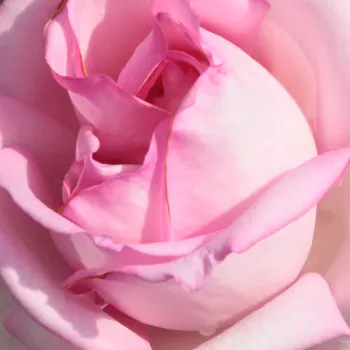
Pink hybrid tea; ARS PB, RHS 55C outer, 57A inner; baby-pink buds open to cool light pink then fade to powdery-cream with near-white petal edges and pearly sheen. |
| Fragrance and aroma |
Powerful, sweet, fruity scent noticeable from a distance; an ornamental, perfume-forward garden rose rather than a variety bred specifically for cosmetic processing. |
| Hip characteristics |
Hip set generally low due to fully double flowers; when present, small ovoid orange-red hips 9–13 mm in diameter, adding discreet late-season interest. |
| Resistance and winter hardiness |
Medium overall disease resistance; black spot resistant, powdery mildew and rust medium; hardy to about −21 to −18 °C, RHS H7, USDA zone 6b, Swedish zone 3. |
| Horticultural recommendations |
Best in full sun; moderate maintenance with some deadheading and cleaning of spent blooms; regular watering in dry spells; suggested spacing 60–110 cm depending on use. |
Madame Maurice de Luze offers upright structure, strong repeat flowering and a rich fragrance, and as an own-root rose it builds long-lived beauty in your garden, making it a considered choice for classic-rose lovers.