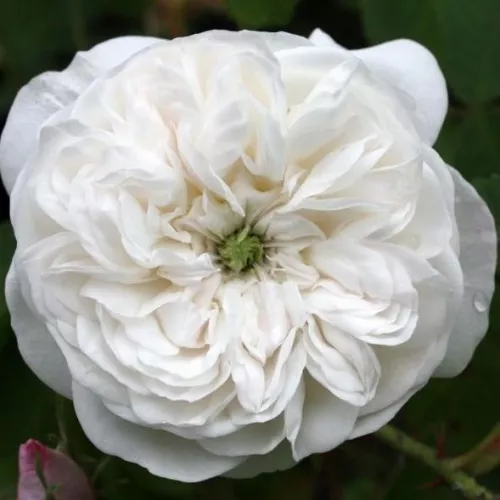
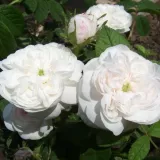
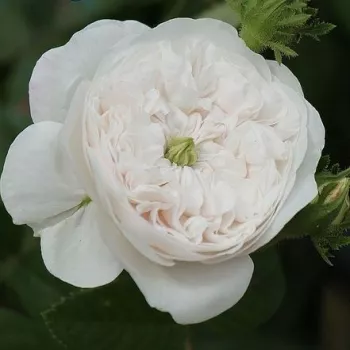
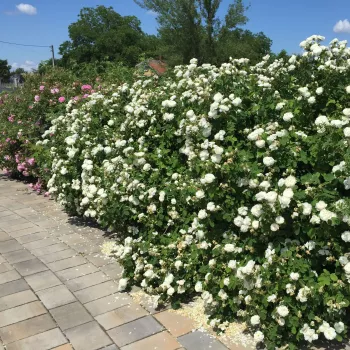
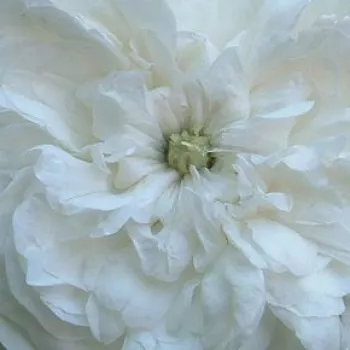
Madame Hardy – white historic centifolia rose
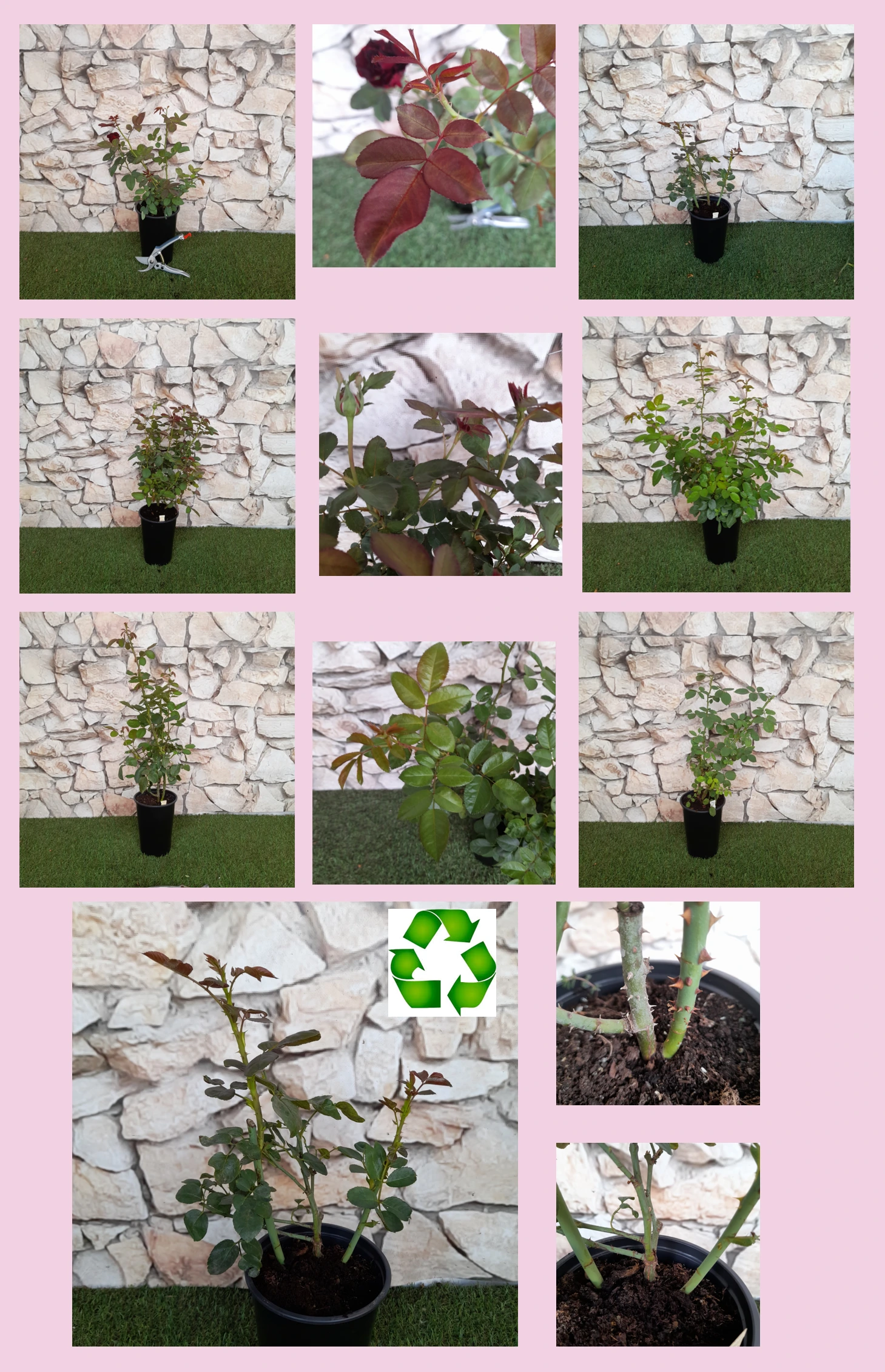
Historic damask charm with pure white rosettes and a damask fragrance that easily fills a small family garden, Madame Hardy forms a dense, upright shrub that is naturally resistant and copes well even where soil tends to stay wet and heavy after rain, rewarding simple care with one glorious main flush of bloom. Its shade-tolerance makes it ideal for around-the-house planting and classic front gardens where walls and buildings cast moving shadows, while its robust own-root structure develops steadily – roots settle first, then stronger shoots, then full ornamental presence over the next few years. Designed for long-term longevity in traditional borders and cottage-style plantings, this romantic variety offers reliable structure, fragrance and foliage even when you only have time for straightforward, once-a-year pruning.
Usage options
| Target area |
Reasoning |
| Feature shrub in a front garden |
Madame Hardy forms a tall, bushy, upright shrub, giving strong vertical structure and screening in modest spaces without elaborate training. One well-placed plant creates a focal point that looks established and traditional within a few seasons – ideal for the beginner. |
| Scented seating area near doors or terraces |
The very strong, classic damask fragrance makes this rose perfect beside a bench, front step or patio, where you pass close by and can enjoy its garden-filling scent from a single main flush. Minimal pruning and general low maintenance suit time-pressed homeowners. |
| Lightly shaded side garden or north-east aspect |
This cultivar tolerates partial shade, keeping dense foliage and reliable flowering where other roses can sulk, such as along side passages or east-facing walls. It brings dependable bloom and greenery without constant attention for urbanites. |
| Low-intervention cottage-style border |
With good resistance to black spot, mildew and rust, Madame Hardy fits well into informal mixed borders where routine spraying is not desired. Its historical character and white rosettes suit cottage mixes that must stay attractive with modest care for families. |
| Informal flowering hedge or boundary line |
The dense, thorny growth and good height allow it to be spaced along a boundary as a soft, flowering division between properties. It offers both privacy and seasonal display, with occasional deadheading the main task for hobby-gardeners. |
| Traditional rose garden or heritage collection |
As an 1830s Damask with Old Rose Hall of Fame recognition, it provides authentic historic character and structure in classic rose layouts. Once established, its own-root habit supports a long planting life, pleasing dedicated collectors. |
| Clay or moisture-retentive soil beds |
Once planted into a well-prepared bed with decent drainage, this robust shrub anchors strongly and tolerates typical British conditions where soil is heavier and stays damp after wet, windy spells, giving stability and flower display for busy gardeners. |
| Large decorative containers by the house |
In a generously sized container of at least 40–50 litres with regular watering, Madame Hardy provides a tall, romantic presence at entrances or on terraces. Own-root growth adapts steadily to pot conditions, rewarding patient but simple care for beginners. |
Styling ideas
- COTTAGE-CLASSIC – Combine with lavender, catmint and foxgloves for a soft, romantic hedge effect along a path – ideal for lovers of traditional cottage gardens.
- WHITE-TONAL – Pair with white veronica, cosmos and silver foliage such as artemisia to create a restrained, elegant front garden palette – suited to design-conscious homeowners.
- SHADE-BORDER – Underplant with hostas and ferns on the shadier side of the house for layered greenery and white highlights – appealing to those with narrow side gardens.
- HERITAGE-MIX – Combine with other old roses and a smoke-bush backdrop to emphasise historic character and contrast foliage – perfect for enthusiasts of classic rose gardens.
- SCENT-FOCUS – Position near a favourite bench with repeating perennials like geraniums and salvias to extend interest after flowering – designed for fragrance-seeking beginners.
Technical cultivar profile
| Parameter |
Data |
| Name and registration |
Historic Damask rose known as Madame Hardy, a centifolia-type shrub; ARS exhibition name Madame Hardy; unregistered cultivar used under its long-established trade name. |
| Origin and breeding |
Bred by Julien-Alexandre Hardy in France around 1831, probably as a selected Damask seedling; introduced from Jardin du Luxembourg, Paris, and distributed commercially in 1832. |
| Awards and recognition |
Internationally recognised old garden rose, inducted into the World Federation of Rose Societies Old Rose Hall of Fame in 2006 for lasting garden and historical value. |
| Growth and structural characteristics |
Tall, bushy, upright shrub reaching about 160–260 cm high and 150–250 cm wide, with dense, mid‑green matte foliage and strong prickliness forming a substantial, leafy presence. |
| Flower morphology |
Medium-sized, very full, rosette-shaped blooms with more than 40 petals, carried in corymbose clusters; once-flowering with a concentrated main flush rather than repeat waves. |
| Colour data and phenology |
Buds cream-white with a greenish tint, opening ivory to pure white rosettes with a small green eye; colour holds well, though hot sun may scorch petals or cause slight browning. |
| Fragrance and aroma |
Classic Damask fragrance of very strong intensity, easily detectable at a distance in still air; valued as a scented garden rose, though not primarily selected for perfume production. |
| Hip characteristics |
Hip set is generally sparse due to very double blooms; occasional small ovoid green hips, about 12–18 mm, may form but are not a major ornamental or wildlife feature in most gardens. |
| Resistance and winter hardiness |
Shows good resistance to powdery mildew, black spot and rust; reliably hardy to about −32 to −29 °C (RHS H7, USDA 4b), suitable for cold winters with minimal protection. |
| Horticultural recommendations |
Best as a specimen, in beds or hedges at 120–220 cm spacing; prefers well-prepared soil and regular watering in drought; benefits mainly from annual pruning and light deadheading. |
Madame Hardy offers richly scented historic white blooms, reliable disease resistance and long-lived own-root growth, making it a thoughtful choice for those planning a quietly beautiful, enduring garden feature.