LYDIA® – orange-pink park rose – Kordes
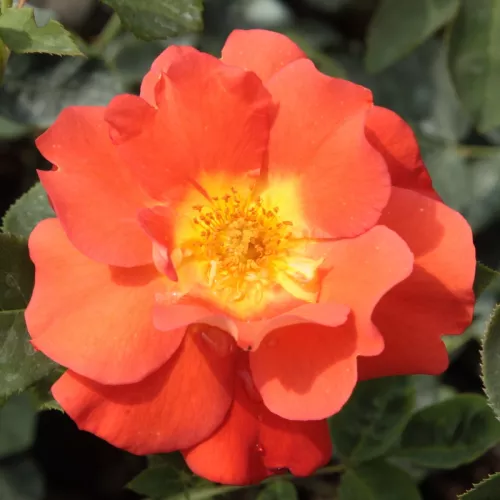
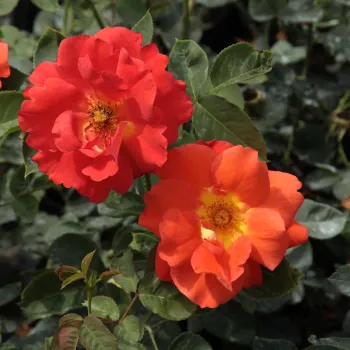
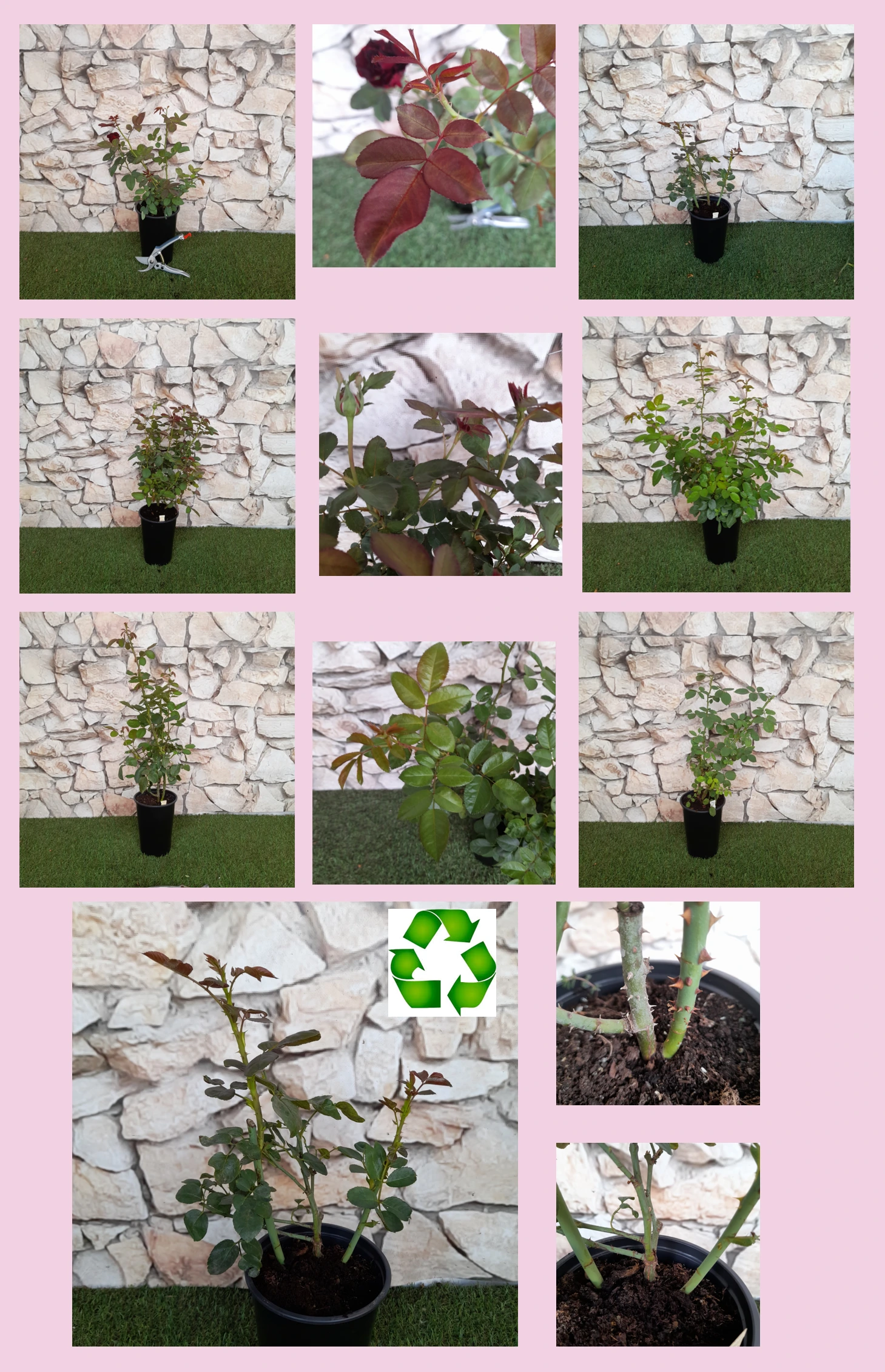
Colour lovers and cottage-garden beginners appreciate LYDIA® for its upright, bushy habit, semi-double clusters and rich, fruity fragrance. This medium-maintenance shrub rose rewards simple, regular care with season-long, remontant flowering and warmly shifting orange-pink tones that soften to peach and creamy yellow. As a premium own-root plant in a 2-litre pot, it settles securely, developing roots in the first year, confident shoots in the second, and full ornamental value by the third for genuinely long-lived structure. Its good self-cleaning makes it easy to keep looking tidy even in busy family gardens, while its moderate height and spread help it stand steadily in breezier, wetter conditions often found in British coastal and exposed gardens, providing relaxed yet orderly borders and welcoming entrances.
Usage options
| Target area |
Reasoning |
| Front garden focal shrub |
LYDIA® forms a tall, upright, bushy shrub that anchors a small front garden without feeling overpowering. Its warm orange-pink flowers shifting to peach and cream draw the eye from the pavement, while the rich, fruity scent rewards every time you pass the gate, ideal for front-garden owners. |
| Informal flowering hedge |
The generous height and 120–180 cm spread lend themselves to relaxed, loosely clipped hedging. Repeating clusters of semi-double blooms bring colour and fragrance along boundaries, and own-root plants regenerate well if ever cut back harder, making a lasting, forgiving line for family homeowners. |
| Mixed cottage border |
Semi-double, pollinator-attracting blooms and the shifting orange-pink palette blend beautifully with hardy geraniums, echinacea and traditional perennials. The bushy habit fills gaps without complex pruning, suiting informal cottage mixes that still need to stay tidy for cottage-garden lovers. |
| Specimen rose near seating |
The strong, fruity fragrance and accessible stamens make LYDIA® a pleasure beside a bench or terrace. Self-cleaning flowers reduce deadheading, so the area stays presentable between visits, and the recurrent flowering keeps interest through summer for relaxed gardeners. |
| Small groups in beds and borders |
Planting 1–5 shrubs allows the colour play—from deep orange-red buds to creamy yellow ageing blooms—to read as a cohesive block. The moderate maintenance needs and own-root resilience make these groups dependable features that mature steadily over the years for busy beginners. |
| Container or large planter use |
In a minimum 40–50 litre container with good drainage, LYDIA® offers vertical structure, fragrance and colour on patios or beside doors. The self-cleaning habit and adaptable own-root growth make potted care more straightforward, particularly where ground soil is very heavy or chalky for urban gardeners. |
| Urban green space and shared gardens |
With H7 hardiness and moderate disease resistance, LYDIA® copes well in exposed communal sites if basic care is provided. Its structured habit and self-cleaning clusters support low-intensity maintenance schedules while still giving residents seasonal colour and scent for community users. |
| Wind-exposed or coastal-style positions |
The sturdy, upright bush and dense foliage help the plant stand firm and attractive even in breezier, rain-prone spots typical of many British gardens near open aspects, so beds stay visually coherent without fussy staking or sheltering, reassuring for practical gardeners. |
Styling ideas
- GateWelcome – Flank a front gate with a pair of LYDIA® shrubs underplanted with hardy geraniums to soften the base – perfect for front-garden owners wanting a warm, scented arrival.
- CottageWeave – Thread LYDIA® through a cottage border with coneflowers and catmint, letting the shifting orange-pink tones weave gently through blues and creams – ideal for lovers of relaxed cottage style.
- PatioAnchor – Plant one LYDIA® in a 50 litre terracotta pot by the back door where its fragrance greets you daily – suited to busy urban gardeners who like impact without complex care.
- HedgeRibbon – Create a loose hedge by spacing plants at 90 cm and edging with low lavender, giving structure, scent and wildlife appeal – good for families wanting soft boundaries rather than hard fencing.
- SeatCompanion – Place a single specimen beside a garden bench, underplanted with low mounded herbs, so colour, fragrance and pollinator activity are all within arm’s reach – ideal for contemplative garden users.
Technical cultivar profile
| Attribute |
Data |
| Name and registration |
Shrub rose marketed as LYDIA®, registered as ‘Lydia’. Belongs to the Park – shrub rose group, used as a park rose or garden shrub, with a feminine given-name origin. |
| Origin and breeding |
Bred by Reimer Kordes, W. Kordes’ Söhne, Germany. Unknown seedling crossed with ‘Circus’ (Swim, 1954). Introduced and registered in 1973, initially distributed by W. Kordes’ Söhne. |
| Awards and recognition |
Bronze medal at the 1975 Baden-Baden International Novelty Competition, confirming its ornamental and garden performance value in trial conditions shortly after introduction. |
| Growth and structural characteristics |
Strong, upright, bushy shrub reaching 140–220 cm high and 120–180 cm wide. Dense, dark green, slightly glossy foliage with moderate prickles; forms substantial structural presence in beds or hedges. |
| Flower morphology |
Semi-double goblet to cup-shaped flowers in clusters, 13–25 petals, small diameter. Remontant with a good second flush, and good self-cleaning as most spent blooms fall naturally from the plant. |
| Colour data and phenology |
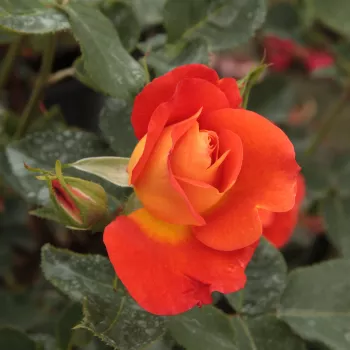
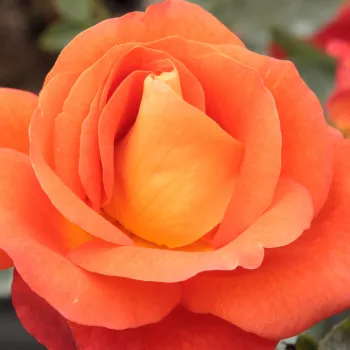
Warm orange-pink with yellowish sheen; buds deep orange-red, opening salmon-orange, then fading through peach to creamy yellow. Colour retention moderate, creating a multitone effect on each shrub as blooms age. |
| Fragrance and aroma |
Strong, rich fruity perfume, distinct on warm days and still noticeable in cooler conditions. Semi-double form with visible stamens offers partial pollinator appeal alongside fragrance in mixed plantings. |
| Hip characteristics |
Moderately abundant, ellipsoidal rose hips, 8–12 mm, red RHS 44A. Add late-season colour and wildlife interest, particularly when flowers are less abundant towards the end of the year. |
| Resistance and winter hardiness |
Hardy to approximately −26 to −23 °C, RHS H7, USDA Zone 5b, Swedish Zone 4. Disease resistance moderate to powdery mildew, black spot and rust, responding well to basic preventive care. |
| Horticultural recommendations |
Suited to parks, hedges, specimens, mixed borders and containers. Medium maintenance: regular watering, feeding and occasional pest or disease control. Recommended spacing 90–165 cm depending on use and density. |
LYDIA® offers fragrant, self-cleaning clusters, generous height for structure and reliable remontant colour on a resilient own-root framework; consider it if you want a graceful, enduring shrub rose for everyday garden use.