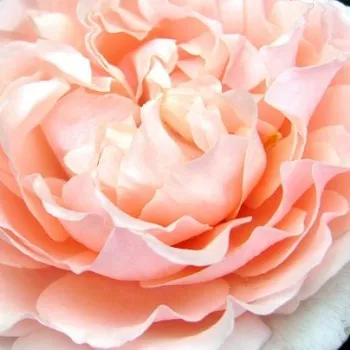
Medium pink with a slight baby‑pink tone. - flowerbed shrub rose - very faint, barely detectable scented rose - discreet, elegant character
– Elegant medium pink, gently fading blooms
– Reliable remontant flowering with abundant second flush
– Compact, upright, bushy shrub for neat borders
– Good heat and drought tolerance in sunny beds
– Hardy to around –20 °C for cold winters
– Special feature: Long‑lived, premium silver rated variety for lasting plantings.
Grower care – Long lifespan
pharmaROSA® ORIGINAL 2-litre own-root potted rose
19,10 £
Unfortunately, we are currently unable to ship to the United Kingdom; we only deliver to countries within the European Union. For more information, please contact us!
4.5(6698)
LOUISE DE MARILLAC™ – pink flowerbed shrub rose
Elegant and quietly romantic, LOUISE DE MARILLAC™ brings reliable colour to compact British gardens without demanding complicated care. Its upright, bushy habit and dense, mid‑green foliage create a structured backdrop of neatly clothed stems, ideal for small beds, front gardens and around‑the‑house borders where you want order as well as charm. The medium‑pink, cup‑shaped blooms, carried in clusters, appear in generous waves with an abundant second flowering, ensuring continuous display through the season. As the flowers open, the colour softens to light pink and almost white in places, giving soft cottage‑style shading that blends effortlessly with classic perennials. On its own roots it establishes steadily for a long, dependable life and forms a naturally balanced shrub, well suited to areas where you may occasionally face coastal winds and need planting that stays put without fuss. Planted in the pharmaROSA® ORIGINAL 2‑litre format, it is easy to handle and quick to settle, building roots in the first year, stronger shoots in the second, and full ornamental impact by the third season for a rose that simply feels right in a family garden.
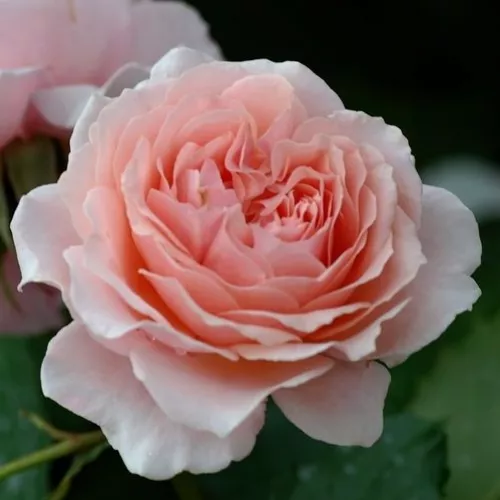
Louise de Marillac in full bloom, showing medium-pink double flowers.
Louise de Marillac shows double, cup-shaped blooms in clustered form.
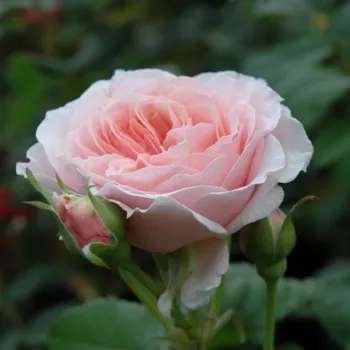
Louise de Marillac™ in freshly opened, uniform baby pink bloom.
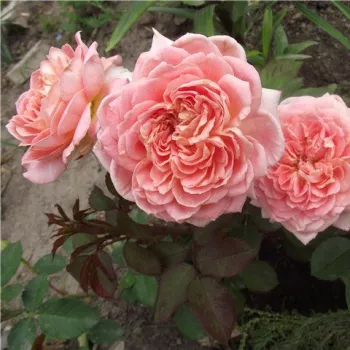
Close-up of the moderately thorny stems of Louise de Marillac™.
Usage options
Target area
Reasoning
Small front‑garden bed by the path
The upright, bushy habit and 80–105 cm height give a tidy, well‑defined shape that sits neatly behind low edging or paving. Repeat flowering with an abundant second flush provides reliable colour where you see it every day, without requiring complex pruning, for the style‑conscious, time‑pressed beginner.
Mixed cottage border with perennials
Medium‑pink, cup‑shaped blooms that fade softly to pale and almost white tones work beautifully among traditional cottage plants, creating gentle, layered colour rather than harsh blocks. Clustered flowers give good impact from a modest footprint, ideal for combining with salvias, campanulas or calamint to achieve a romantic cottage look for the visually driven home gardener.
Low, informal flowering hedge
At 50–70 cm spread and recommended 50 cm spacing, plants knit into a pleasing low hedge that defines boundaries without feeling rigid. The dense foliage and upright framework give year‑round structure, while moderate self‑cleaning plus simple seasonal trimming keep maintenance reasonable for those wanting a soft, flowering screen for a busy household.
Small group planting in a feature bed (3–5 plants)
Square or hexagonal planting at 60 cm creates a rounded mass of colour and foliage that reads as a single, well‑composed shrub. The remontant habit with abundant second flowering means the group continues to perform after the first flush, giving a strong focal point from late spring into autumn for the decorative‑minded garden owner.
Own‑root, long‑term rose area in a family garden
As an own‑root shrub, it does not rely on grafts, instead forming its natural shape and regenerating from the base over the years, supporting a long planting life with consistent ornamental value. Once established, occasional renewal pruning is enough to keep it vigorous, suiting those planning a lasting rose area for the long‑view home planner.
Sunny bed with occasional dry spells
This variety thrives best in full sun and tolerates heat well when given sensible watering in prolonged dry periods, making it reliable in many UK summers. The dense foliage helps shade the soil surface, and once roots are developed it copes well in free‑draining beds, reassuring those with variable rainfall looking for resilient planting.
Raised beds or improved clay borders
Its compact size and upright, bushy habit make it easy to place in raised beds where heavier soil has been improved for drainage. The structured form helps anchor planting schemes visually, especially in sites that can be breezy at times, giving confidence to those managing small urban plots with challenging conditions for the practical home gardener.
Large decorative containers (from 40–50 litres)
In a substantial pot of at least 40–50 litres, the moderate spread, upright form and clustered blooms create a well‑proportioned container specimen for patios, terraces or doorways. Own‑root growth and remontant flowering provide continuity over several seasons with straightforward top‑dressing and watering routines for the space‑limited, style‑focused balcony or patio owner.
Styling ideas
Classic‑frontage – Line a small front bed with LOUISE DE MARILLAC™ and low box or gravel edging for a neat, welcoming entrance – ideal for homeowners seeking tidy kerb appeal with minimal complexity.
Cottage‑mix – Combine its soft pink cups with Calamintha ‘Elfin Purple’, Knautia ‘Red Knight’ and airy grasses for an informal, pastel cottage border – perfect for those who favour relaxed, romantic planting.
Pastel‑drift – Plant three shrubs in a gentle arc with pale daylilies and white campanulas to create a flowing, low border that repeats flower colour through summer – suited to gardeners wanting cohesion from few, reliable plants.
Patio‑focus – Grow a single plant in a 50‑litre terracotta pot with trailing thyme or lobelia at the rim to soften edges and highlight its upright framework – appealing to balcony and terrace users prioritising strong yet compact focal points.
Family‑friendly – Use as a low hedge around a small lawn or play area, mixing in tough perennials such as hardy geraniums to fill gaps and reduce bare soil – good for busy families wanting structure and colour without intricate care.
Technical cultivar profile
Parameter
Data
Name and registration
Shrub rose from the Les Provençelles® collection; registered as MASloumar, traded as Louise De Marillac™ / Louise de Marillac, approved exhibition name by the American Rose Society.
Origin and breeding
Bred by Dominique Massad (France) from ‘Paul Bocuse’ × ‘Michelle Bedrossian’; introduced by Pétales de Roses in 2011 after registration in 2010 as a flowerbed shrub rose.
Growth and structural characteristics
Upright, bushy shrub reaching about 80–105 cm in height with a 50–70 cm spread, dense mid‑green, slightly glossy foliage and moderate prickliness; self‑cleaning is only partial.
Flower morphology
Large, double, cup‑shaped blooms with 26–39 petals, typically borne in clusters; remontant flowering with a particularly abundant second flush for extended seasonal display in beds and borders.
Colour data and phenology
Medium pink with a baby‑pink tone (RHS 62C/62D); buds open to clear baby pink, then fade to pale, sometimes almost white petals, with richer tones in cooler weather and faster fading in heat.
Fragrance and aroma
Very faint, discreet fragrance with an elegant character; primarily grown for its colour and form rather than scent, and thus best used where visual rather than aromatic effect is the priority.
Hip characteristics
Low hip set due to double flowers; where present, hips are small globular spheres about 8–12 mm in diameter, red when ripe, and of mainly ornamental rather than wildlife or culinary interest.
Resistance and winter hardiness
Hardy to approximately −21 to −18 °C (H7, USDA 6b, Swedish zone 3); medium resistance to powdery mildew, black spot and rust, with occasional plant protection advisable in high disease pressure areas.
Horticultural recommendations
Most effective in sunny positions for beds, edging, parks or as a specimen; plant 50–90 cm apart depending on effect, at 2.8–3.2 plants/m² for massing, and maintain regular watering in hot, dry spells.
LOUISE DE MARILLAC™ offers reliable repeat flowering, a compact, upright habit and long‑term own‑root resilience, making it a thoughtful choice if you want enduring, easy colour in a modest family garden.
Detailed product attributes
Product Identification Data
Product Name:
LOUISE DE MARILLAC™ – pink flowerbed shrub rose - Massad
Product Type:
pharmaROSA® ORIGINAL - 2-litre own-root potted rose
Full Bloom:
Mid-pink, fading at the outer petal edges.
Before Fading:
Fades to a pale pink, in places almost whitish.
Colour Fading Description:
As the flower opens, the medium-pink and baby-pink tones fade to a light pink, becoming almost whitish in places towards the end; in cool conditions the colour is richer, while in hot weather it fades more noticeably.
Our product is a rose grown with pharmaROSA®’s unique cultivation technology!
2-litre, own-root, potted rose.
With a shoot system appropriate to the season.
With a root system that thoroughly permeates the growing medium.
Quality compliant with the requirements of the E.N.A. (European Nurserystock Association).
Supplied in unique packaging that prevents damage.
Can be planted during frost-free periods.
True-to-variety rose bush with a unique identifier.
The pharmaROSA® own-root potted rose is a well-rooted plant that supports reliable establishment when planted and cared for properly, so it can be planted whenever the soil is not frozen.
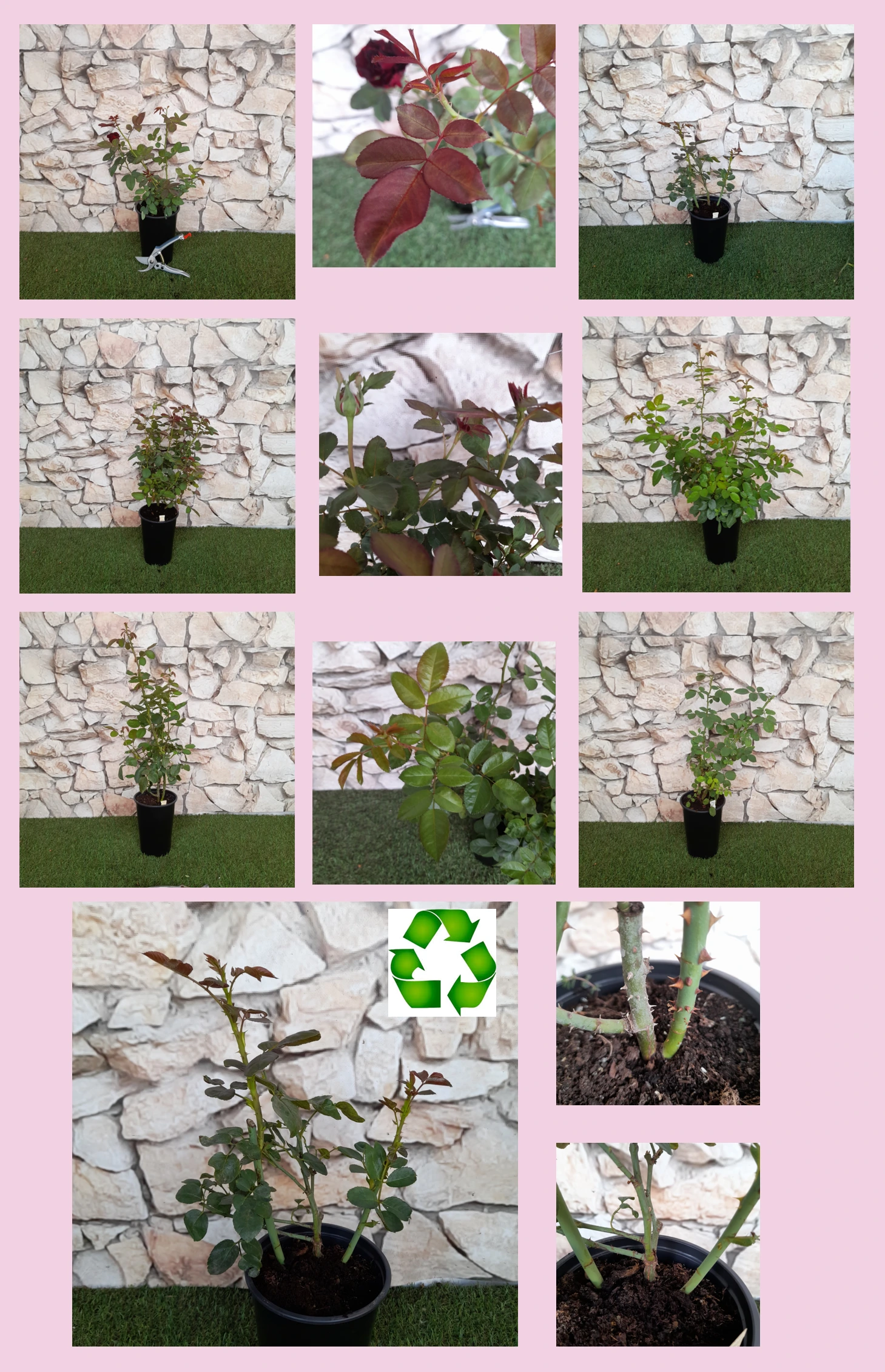
Crop overview: several varieties and growth stages in a short crop section.Shoot system: intensive growth of fresh basal shoots on a young plant.Root system: demonstration of a vigorous root system permeating the growing medium, by removing the pot.Balance: mature plant with root system and shoots in harmony with each other.
Information about the videos
The video series is not a “seasonal showcase”; it illustrates the essence of pharmaROSA® own-root cultivation in a tangible way: how the plant is built up, what the root system is like and how the shoot system regenerates. The recordings were therefore made at different times and with plants at various stages of development, so mixed foliage levels and differing stages of growth may appear in the videos. They are not a ‘sample’ of the batch dispatched, but a visual explanation of how the technology works. The current condition of the rose available to order — typical for the given period and similar to what you can expect to receive in the parcel — is shown in the upper part of the product page.
Pages for private customers Garden roses for the family garden, with minimal care → ORIGINAL® Premium garden roses – instant impact, a truly showpiece garden → EXTRA® Pages for professionals and private customers Roses for public spaces – large areas, sustainable maintenance → NATURAL® Roses for projects – hedge and row planting, fast implementation → RAPID® For professional partners only Production – propagation material for garden roses, wholesale → NEONATAL®
Company details
PharmaRosa Ltd. Company registration number: 01-09-717479 VAT number: 13075314-2-43 Plant health registration no.: HU130721 Bank account (IBAN): HU85117631891388688400000000 BIC (SWIFT): OTPVHUHB Bank name: OTP Bank Nyrt.