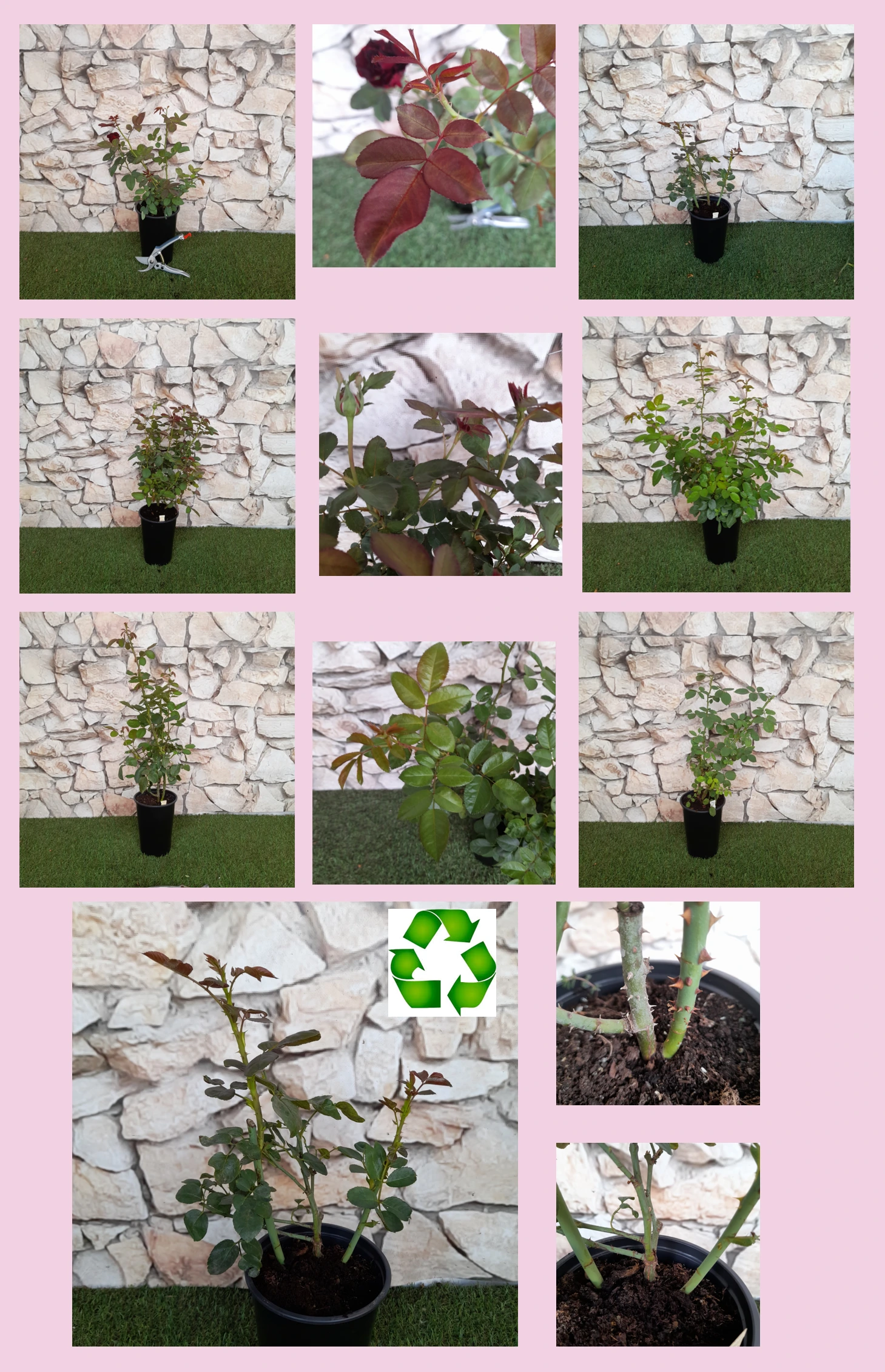
LOUIS DE FUNES® – orange hybrid tea rose - Meilland
Classic hybrid tea form, fiery orange blooms and an upright, orderly habit make Louis De Funes® an easy rose to place in a front garden or compact border. Its remontant nature gives a generous second flush, so one well-sited shrub can carry flowers over much of the season with only moderate care. As an own-root plant it builds a stable, long-lived framework that recovers well after pruning or winter, ideal where soils are heavy and you rely on thoughtful drainage rather than intensive digging. Dense, glossy foliage creates a neat, finished look even between flushes, while the large, high-centred flowers cut beautifully for the house. Expect a reassuring development from strong roots in the first year, fuller top growth in the second, and confident ornamental value by the third, supporting beginners and busy gardeners seeking reliable impact and long-term garden structure.
Usage options
| Target area |
Reasoning |
| Front garden focal shrub |
The upright, bushy habit and fiery orange blooms give clear structure and impact without needing a large planting area, ideal beside a path or bay window where you want a tidy, formal-looking rose that stays visually composed between flushes – a dependable choice for the style-conscious homeowner. |
| Cutting and display bed |
High-centred, exhibition-type flowers on long, straight stems are perfect for cutting, offering classic hybrid tea form and vivid colour for vases while the shrub continues to rebloom through the season, rewarding those who like to bring garden flowers indoors – appealing for the frequent flower-arranging gardener. |
| Small mixed border accent |
The dense, glossy foliage and medium height let it sit comfortably among perennials and low shrubs, providing a strong vertical accent without overwhelming neighbouring plants, particularly effective in cottage-style mixes where you want a defined but harmonious feature – suited to the cottage-border enthusiast. |
| Specimen near entrance or terrace |
As a single specimen near a doorway or seating area, its repeated flowering and neat outline give a welcoming, cared-for look with only moderate maintenance, and the discreet citrusy fragrance adds a refined note close to where you sit or pass daily – ideal for the busy yet detail-aware householder. |
| Own-root long-term planting |
Delivered as a well-rooted own-root plant, it gradually forms its permanent framework in your soil and climate, supporting long life and reliable shape; this reduces worries about graft problems and helps the shrub recover well after harder pruning or weather setbacks – reassuring for the long-view garden planner. |
| Small groups of 3–5 in beds |
Planted in loose drifts at recommended spacing, the upright bushes knit into a coherent, repeating rhythm of orange blooms, giving a professionally planned look without complex design, and the remontant habit keeps colour returning for months – attractive for the low-effort border designer. |
| Containers and large pots |
Its relatively compact footprint and upright habit suit large containers of 40–50 litres or more, where a single plant can deliver a strong colour statement on patios or balconies; the own-root form stabilises well in pots if watering and feeding are consistent – practical for the space-limited urbanite. |
| Formal lines and short hedges |
Regular spacing along a path or boundary creates a low, formal line of dark foliage and bright blooms, and with sensible mulching and watering it copes well with exposed, breezy positions where you rely on good drainage after heavy rain rather than intensive soil work – designed for the structure-loving garden beginner. |
Styling ideas
- Warm-border focus – Combine Louis De Funes® with apricot and cream perennials to echo its fiery orange tones while the upright habit anchors the scheme – for homeowners wanting an easy yet coordinated colour story.
- Cottage mix – Thread it through looser plantings of catmint and hardy geraniums, where its neat shape adds structure but the vivid blooms still feel relaxed – for cottage-garden enthusiasts seeking order within informality.
- Entrance pairing – Flank a front path with two matching shrubs, underplanted with low lavender, so the glossy foliage and repeat flowers frame your doorway – for busy families wanting instant formality from simple plantings.
- Patio feature pot – Grow a single plant in a 40–50 litre container with trailing lobelia or ivy to soften the rim, letting the large hybrid tea flowers provide height and drama – for balcony and terrace gardeners favouring strong seasonal impact.
- Cutting corner – Dedicate a sunny border section to a small group of Louis De Funes® with filler plants like gypsophila, ensuring a steady supply of straight-stemmed blooms for the vase – for keen amateurs who enjoy arranging their own flowers.
Technical cultivar profile
| Parameter |
Data |
| Name and registration |
Hybrid tea rose, registered as MEIrestif, marketed as Louis De Funes®; ARS exhibition name Louis de Funes, premium gold quality within the pharmaROSA® ORIGINAL 2-litre own-root range. |
| Origin and breeding |
Bred by Marie-Louise Meilland, Meilland International, France; (‘Ambassador’ × ‘Whiskey Mac’) × (‘Arthur Bell’ × ‘Kabuki’); bred 1982, introduced and registered 1984 as a garden and exhibition hybrid tea. |
| Awards and recognition |
Gold medal and “Rose of the Year” Monza 1983; Gold medal and “Geneva City Award” Geneva 1983; Bronze medal Madrid 1983; Certificate of Merit Saverne 1983, confirming proven ornamental value. |
| Growth and structural characteristics |
Upright, bushy shrub 85–115 cm tall and 70–90 cm wide, with dense, dark green glossy foliage and moderate prickles; maintains a well-defined outline suited to beds, borders, specimens and trained short rows. |
| Flower morphology |
Very large, double, high-centred hybrid tea blooms with 26–39 petals, typically borne singly on stems; classic pointed buds open to exhibition-type flowers well suited to cutting and show-style display. |
| Colour data and phenology |
Vivid orange with a golden sheen; buds deep red-orange, opening to pure intense orange then softening to peach-orange with salmon hints; colour lightens in strong sun, holding better in cooler spells, ARS ob, RHS 25A, 23B codes. |
| Fragrance and aroma |
Mild but noticeable fragrance with a fresh, orange-peel character; best appreciated at close range around seating areas or entrances rather than as a distance scent, adding a refined citrus nuance to the floral display. |
| Hip characteristics |
Limited hip set due to strongly double flowers; when present, small ovoid red-orange hips about 10–14 mm across, offering occasional late-season interest but not a primary ornamental feature of the cultivar. |
| Resistance and winter hardiness |
Hardy to about −23 to −21 °C (RHS H7, USDA 6a, Swedish Zone 3); moderate resistance to black spot, powdery mildew and rust, benefitting from basic preventive care in humid seasons and regular watering in dry spells. |
| Horticultural recommendations |
Prefers sunny sites with well-drained soil; moderate maintenance with some deadheading and plant protection as needed; recommended distances 50–90 cm depending on use, density around three plants per m² for mass effects. |
Louis De Funes® offers vivid orange, repeat-flowering hybrid tea blooms on a tidy, long-lived own-root shrub that cuts beautifully and settles reliably into family gardens, making it a thoughtful choice when planning your next rose.