LOLITA – apricot hybrid tea rose - Kordes
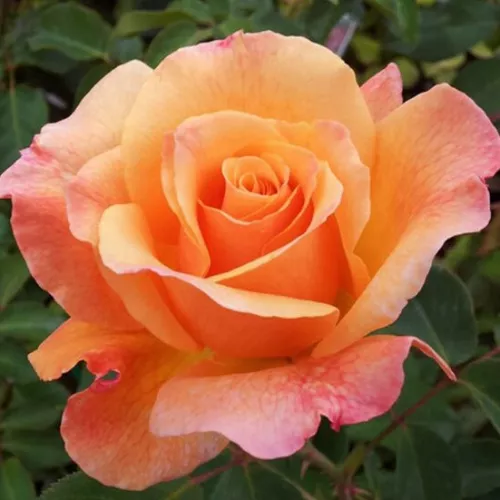
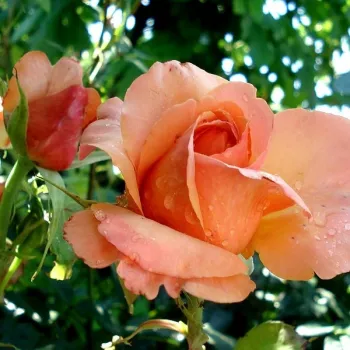
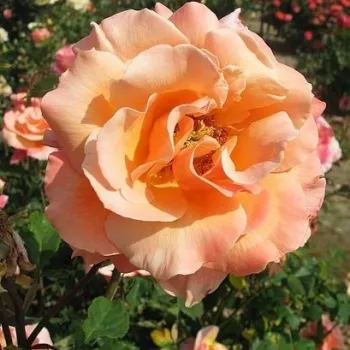
Classic hybrid tea elegance meets reliable garden performance in ‘Lolita’, a tall, upright rose that brings long-stemmed, cutting quality blooms straight into your family garden. Large, high-centred flowers in a luminous apricot-peach unfold repeatedly through the season, each with a gentle, medium-strength fragrance that suits both borders and vases. Dense, dark green foliage and proven disease resistance give a refined, formal look with only medium upkeep, which is especially valuable where wet, breezy weather demands good leaf health and careful drainage. As an own-root plant it establishes steadily and, over successive seasons, builds a durable, balanced bush that rewards you with increasing ornamental value year after year.
Usage options
| Target area |
Reasoning |
| Feature rose near the front door |
The tall, upright habit and exhibition-style blooms create an immediate focal point beside paths or entrances without needing complex design work. Planted as a single specimen, it gives strong visual structure and welcoming colour for beginners. |
| Hybrid tea cutting and display bed |
Large, high-centred flowers on long, straight stems make this variety ideal for a small cutting bed, giving classic florist-style roses for the house. Regular picking encourages further buds, rewarding those who enjoy arranging flowers at home style-conscious gardeners. |
| Formal border in a front garden |
The uniform height, dense foliage and medium maintenance needs suit simple, repeatable planting along drives or paths. It provides a tidy, structured look with less pruning precision than exhibition growers use, fitting busy household schedules time-poor owners. |
| Sunny mixed border with perennials |
The warm peach-apricot tones blend beautifully with plants such as lavender, lady’s mantle and oriental poppies. This allows relaxed cottage-style planting while the rose contributes height, scent and structure through the main season for cottage-gardeners. |
| Small group planting as a showpiece |
Planting three to five bushes at the recommended spacing creates a mass of coordinated colour and fragrance without crowded growth. Over a few seasons they knit into a cohesive, long-lived feature that anchors a modest-sized family garden for homeowners. |
| Accent rose in larger containers |
When grown in a substantial container of at least 40–50 litres, this variety offers upright structure and repeat flowering on patios or terraces. Good drainage and regular feeding keep foliage clean and attractive for balcony-owners. |
| Rose border in exposed or breezy spots |
The robust, upright framework and dense foliage help the plant stay presentable where wind and rain could damage weaker varieties, particularly when planted in well-prepared soil that manages excess moisture through improved drainage for coastal-gardeners. |
| Long-term focal point in a family garden |
As an own-root, upright hybrid tea, it builds a stable framework over time, recovering well from harder pruning and seasonal weather. This underpins a dependable, long-lived feature that continues to flower generously for practical gardeners. |
Styling ideas
- Classic-border – Line a front path with evenly spaced bushes for a formal, rose-garden feel, underplanting with low evergreen edging for a smart look – ideal for order-loving homeowners.
- Cottage-duo – Combine with lavender and lady’s mantle in a small bed so the apricot blooms float above soft blue and lime froth – perfect for fans of relaxed cottage charm.
- Cutting-corner – Dedicate a sunny square to a handful of plants, allowing easy access for regular cutting of long-stemmed blooms – suited to those who enjoy arranging flowers indoors.
- Warm-palette – Mix with peach, cream and soft orange perennials to create a harmonised, sunset-toned border that looks composed without detailed planning – good for colour-conscious beginners.
- Pot-focus – Place a single plant in a 50-litre container by the patio, with trailing seasonal bedding at the rim, to give height, scent and a neat vertical accent – attractive for small-plot urban gardeners.
Technical cultivar profile
| Parameter |
Data |
| Name and registration |
Hybrid tea rose, registered as KORlita (also LitaKOR), marketed as Lolita; exhibition hybrid tea category with American Rose Society approved exhibition name Lolita. |
| Origin and breeding |
Bred by Reimer Kordes (W. Kordes’ Söhne, Germany) from Colour Wonder × unknown seedling, introduced in 1972 via Roy H. Rumsey Pty. Ltd. in Australia. |
| Awards and recognition |
Holds ADR recognition from German general rose trials (1973) and gained a Certificate of Merit at the New Zealand Rose Trials in 1974, confirming strong ornamental and garden merit. |
| Growth and structural characteristics |
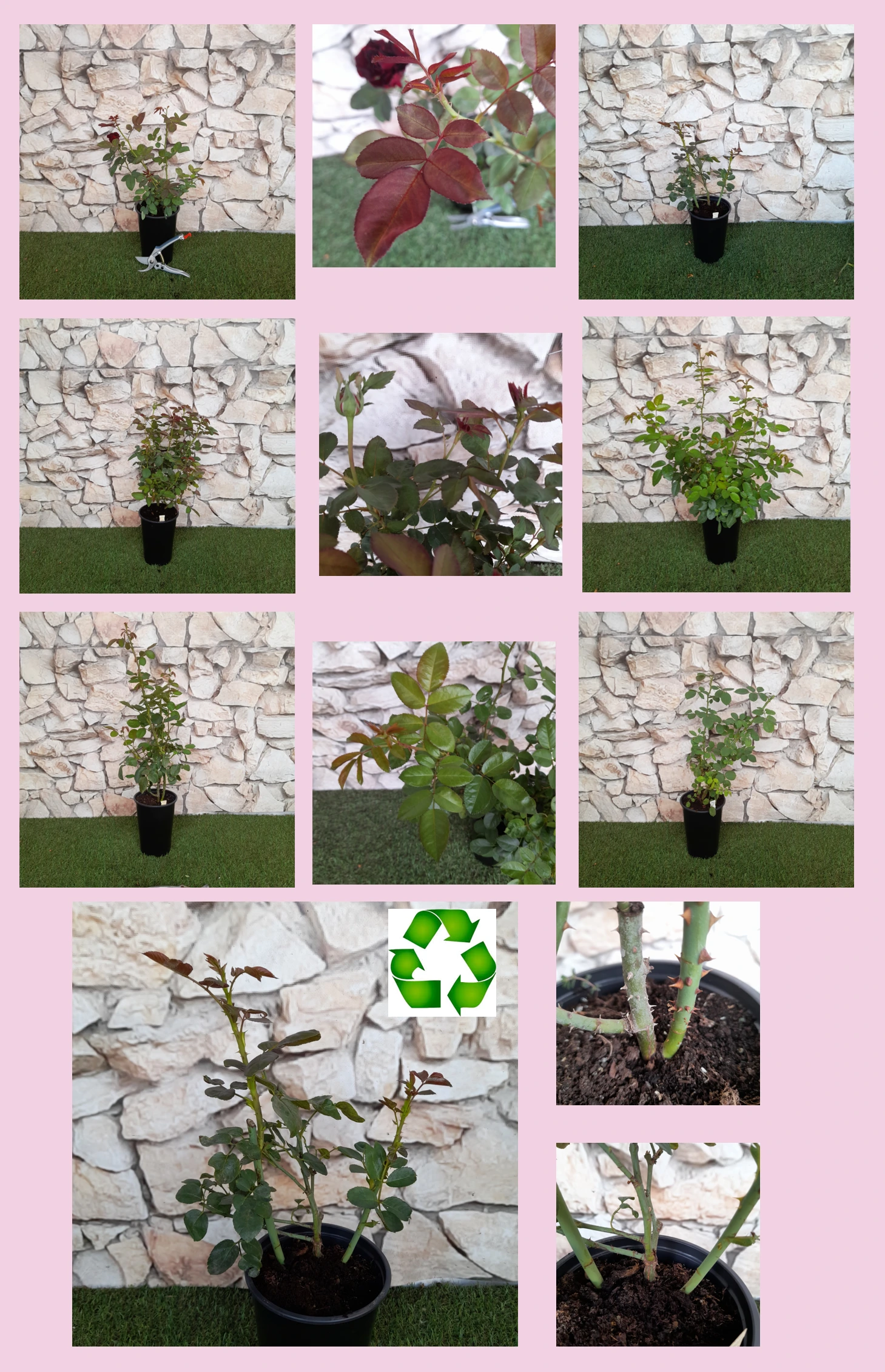
Tall, upright bush reaching about 130–170 cm high and 100–140 cm wide, with dense, dark green, slightly glossy foliage and moderate thorns, forming a substantial, vertical garden presence. |
| Flower morphology |
Large, double, high-centred blooms with 26–39 petals, typically borne singly on stems; classic pointed hybrid tea buds and generous remontant habit providing a good second flush of flowers. |
| Colour data and phenology |
Medium-saturated peach-orange with golden tones, deep apricot and vivid orange in bud, maturing to golden apricot then soft peach-cream pastel as blooms age, with moderate overall colour retention. |
| Fragrance and aroma |
Pleasant, medium-strength scent with a distinct peach character, noticeable both in the garden and when stems are cut for the vase; double flowers offer only limited accessibility to pollinating insects. |
| Hip characteristics |
Hip set is usually sparse due to the double blooms; when present, hips are ellipsoid, around 12–18 mm across, colouring orange-red and adding a light decorative feature late in the season. |
| Resistance and winter hardiness |
Rated H7, hardy to about -21 to -18 °C, with reported resistance to powdery mildew and black spot and moderate rust susceptibility, performing reliably in USDA zone 6b and similar climates. |
| Horticultural recommendations |
Best in full sun with fertile, well-drained soil; suit borders, specimen planting and cutting gardens, spaced 110–200 cm depending on use, with medium maintenance and occasional plant protection as needed. |
LOLITA offers tall, elegant apricot blooms, good disease resistance and reliable cutting stems on a durable own-root framework, making it a thoughtful choice for those planning a long-lived, classic rose feature.