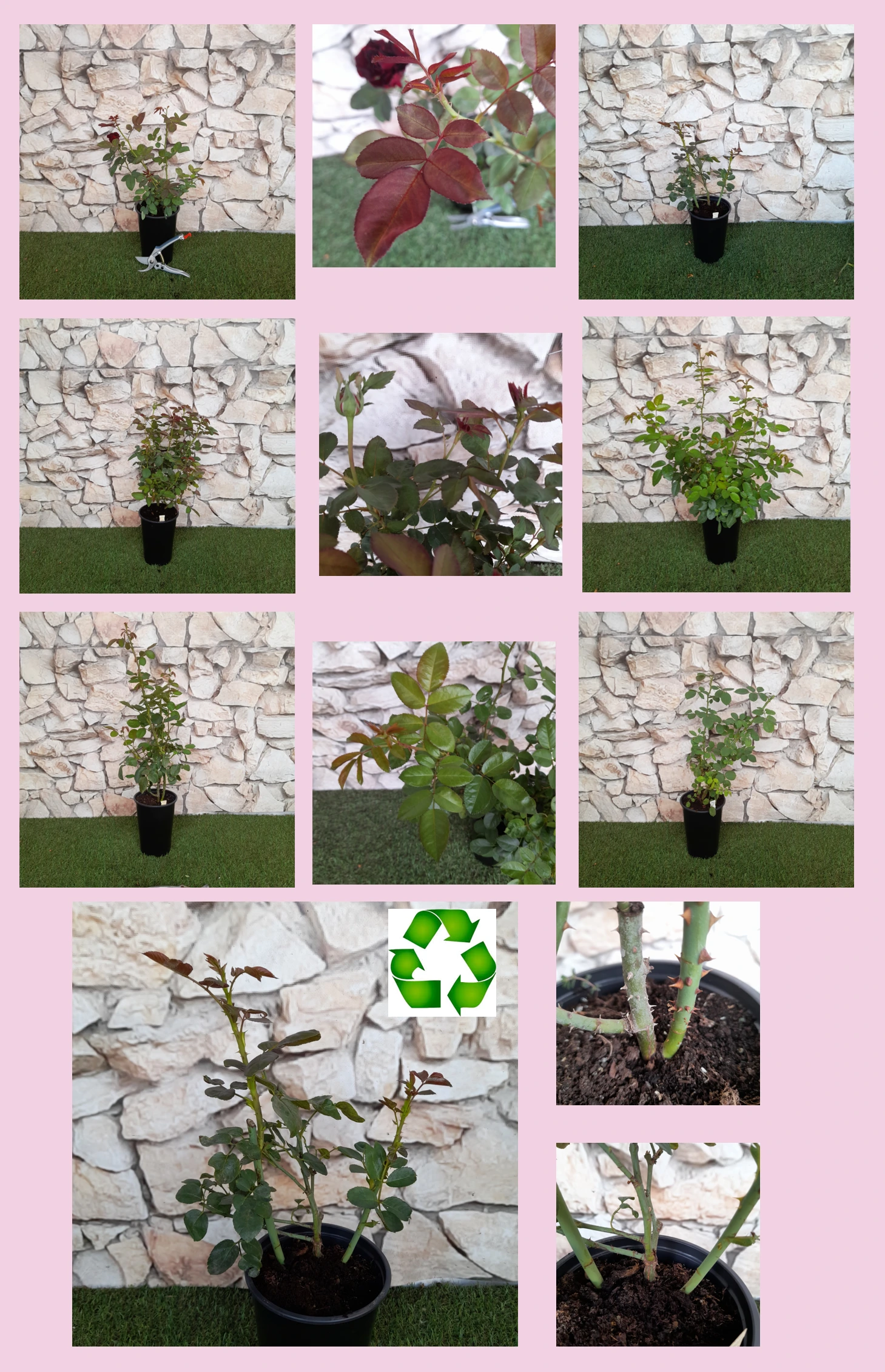
Rosa pimpinellifolia Mary Queen of Scots – lilac‑white landscape shrub rose
Historic yet easily managed, Rosa pimpinellifolia Mary Queen of Scots is an own‑root shrub rose that settles in reliably and copes well with coastal conditions, suiting everyday British family gardens that value low input and lasting structure. Once planted in a sunny or lightly shaded spot with reasonable drainage, you can expect a season of strong root-building in year one, bush framework in year two and full ornamental presence by year three, without demanding routines or specialist care. Its disease-resistant foliage keeps the plant looking neat, while the once‑a‑year flush of romantic pink‑and‑white blossom is followed by decorative dark hips for autumn interest. With a naturally bushy habit, good heat and drought tolerance and excellent hardiness, it works as a low hedge, a cottage‑style feature or a background shrub you can mostly leave alone, yet which offers real longevity and supports bees with nectar‑rich, semi‑double flowers that are genuinely pollinator-friendly.
Usage options
| Target area |
Reasoning |
| Front‑garden or around‑the‑house borders |
Compact, bushy growth and good self‑cleaning make it ideal for neat, low‑maintenance front borders where you want seasonal charm without constant deadheading. Long‑lived own‑root growth builds a stable structure that fits typical family plots and smaller beds, suiting the time‑pressed beginner. |
| Low hedging and informal boundaries |
Densely thorned stems and a naturally upright habit allow this shrub to form an effective informal hedge along paths, driveways or plot boundaries, with planting at 45 cm for a tight line. Own‑root resilience supports gradual thickening over years, with minimal pruning needed for the practical homeowner. |
| Cottage‑style and naturalistic mixes |
The once‑flowering spring–early summer display of pink and white blooms, followed by decorative black hips, fits perfectly into relaxed cottage schemes with perennials and grasses. Its historic character and soft colour transitions enhance traditional mixed borders for the style‑conscious cottage‑lover. |
| Coastal and exposed gardens |
Robust growth, good tolerance of drier, poorer soils and strong wind resistance make this shrub well suited to more exposed or seaside plots, where it can settle in with only moderate watering and simple care, even where breezes are frequent for the practical coastal gardener. |
| Wildlife‑friendly and pollinator gardens |
Semi‑double flowers with clearly visible yellow stamens provide easily accessible nectar and pollen, attracting bees and other beneficial insects in season. Afterwards, the dark ornamental hips add structure, enhancing small wildlife corners for the environmentally minded gardener. |
| Cold‑climate and frost‑prone locations |
With hardiness down to around –34 °C (RHS H7), this variety is well adapted to colder regions, exposed rural sites and frosty pockets of the garden, remaining dependable year after year without elaborate winter protection for the weather‑aware buyer. |
| Low‑intervention family gardens |
Excellent resistance to black spot, powdery mildew and rust means plant protection is rarely required, keeping routine care simple—basic watering, an annual tidy and light feeding are generally enough, making it suitable for the busy family. |
| Large containers and paved‑area planting |
In a substantial container of at least 40–50 litres with free‑draining compost, this shrub rose offers seasonal blossom and autumn hips on patios or terraces, while its own‑root habit supports long‑term regeneration and steady structure for the space‑conscious urbanite. |
Styling ideas
- Cottage‑border hedge – run a loose line along a front fence with catmint, hardy geraniums and foxgloves filling gaps – ideal for those recreating a traditional cottage frontage.
- Pollinator ribbon – weave plants through a mixed bed with salvia, lavender and single dahlias to create a long nectar corridor – for wildlife‑focused gardeners wanting discreet structure.
- Coastal mix – combine with sea thrift, St John’s wort and ornamental grasses for a resilient, soft‑moving seaside palette – suited to breezier, salt‑touched gardens.
- Patio feature tub – plant in a 50‑litre half‑barrel with trailing thyme and violas at the rim – for small‑space owners seeking a single, characterful shrub.
- Historic focal point – use one shrub as a solitary specimen framed by box or Ilex crenata with asters for late colour – appealing to lovers of heritage plants and period gardens.
Technical cultivar profile
| Parameter |
Data |
| Name and registration |
Rosa pimpinellifolia Mary Queen of Scots, shrub/landscape botanical rose; ARS exhibition name ‘Mary Queen of Scots’; historic, unregistered variety circulated under this long‑established trade name. |
| Origin and breeding |
Historic Scottish shrub rose bred by Robert Brown and distributed by Dickson and Brown, Perth, Scotland; raised before 1803, with unknown parentage typical of early botanical garden selections. |
| Growth and structural characteristics |
Bushy, upright shrub with dense mid‑green foliage and heavy prickling along the stems; forms a full, screening habit with age and maintains shape with only light pruning once established. |
| Flower morphology |
Large, semi‑double blooms, typically 13–25 petals, borne mostly singly on the stems; once‑flowering in late spring to early summer, with good self‑cleaning that leads into decorative hip formation. |
| Colour data and phenology |
Buds medium pink with lilac‑mauve tints; flowers open bright pink with a pale whitish centre and yellow stamens, then fade to softer pastel tones, with the white centre intensifying as the bloom ages. |
| Fragrance and aroma |
Noticeable, medium‑strength scent of classic rose character; fragrance is clearly perceptible in still air and adds to the traditional garden presence of this once‑flowering shrub rose. |
| Hip characteristics |
Produces small, spherical black hips about 10–15 mm across; highly ornamental in late summer and autumn, extending the season of interest, but not advised for culinary or medicinal use. |
| Resistance and winter hardiness |
Very hardy shrub (USDA 3a, RHS H7, Swedish Zone 6) with good tolerance of heat and moderate drought; shows strong resistance to major fungal diseases, keeping foliage clean with minimal treatment. |
| Horticultural recommendations |
Suited to borders, low hedges, naturalistic and cottage gardens and large containers; prefers sun or light shade in reasonably drained soil, with planting distances adjusted to hedging or specimen use. |
Rosa pimpinellifolia Mary Queen of Scots offers disease resistance, historic once‑a‑year blossom and pollinator value on a durable own‑root shrub, making it a thoughtful choice for long‑term, low‑effort planting.