Climbing and rambling roses

53-092-1
53-092-2

Lemon Rambler

Climbing rose

SCH8056 – Christian Schultheis

Pure creamy-yellow base colour that deepens into a subtle lemon-yellow tone towards the centre of the petals. - rambler, climbing rose - strongly scented rose - fresh, citrus aroma

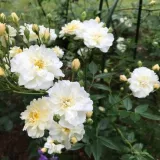
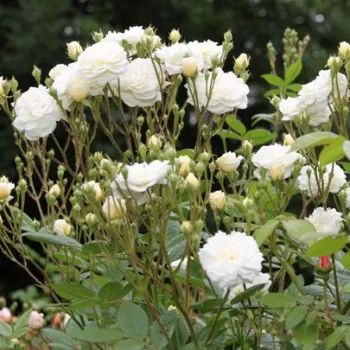
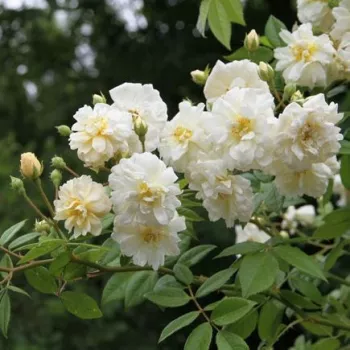
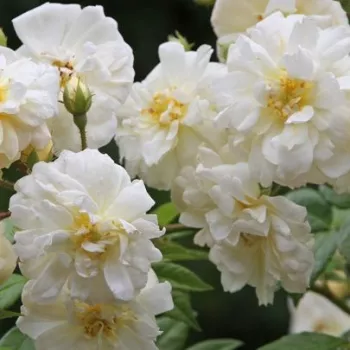
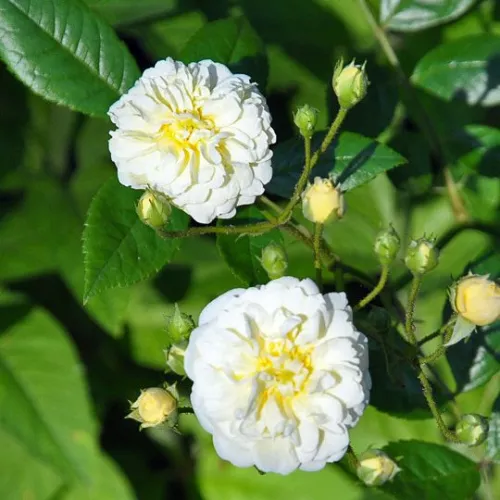
– Soft pale lemon blooms with cupped form.
– Vigorous climber for arches, walls, pergolas.
– Dense, glossy mid‑green foliage backdrop.
– Strong, fresh citrus fragrance in flower.
– Decorative orange‑red hips in late season.
Special feature: Long flowering season with generous repeat flush.
Secure long-term – In harmony with nature
Lemon Rambler
pharmaROSA® ORIGINAL 2-litre own-root potted rose
22,90 £
Unfortunately, we are currently unable to ship to the United Kingdom; we only deliver to countries within the European Union. For more information, please contact us!
3.5 (5528)
facebook   twitter

LEMON RAMBLER – pale yellow rambler climbing rose - Schultheis

With its softly glowing, pale yellow clusters, Lemon Rambler brings a gentle cottage-garden charm to arches, pergolas and house walls, creating an airy veil of colour above everyday planting. This rambler’s semi-double blooms release a distinctly fresh, citrus fragrance, lending pathways and seating areas a light, uplifting atmosphere through summer and into autumn. Flowering comes in generous waves, so once established you can enjoy long-lasting colour with relatively simple seasonal care, especially when you give it a well-prepared spot with decent drainage in heavier soils and good airflow in damp, British conditions to manage fungal pressure. Planted on its own roots, it builds a durable, well-anchored framework that stands up steadily over the years and can regenerate from the base if ever cut back hard. In its first season it concentrates on roots, the second on building strong shoots, and by the third year it reaches its full ornamental value as a generously flowering, gracefully clad garden structure.


Usage options

Target area Reasoning
Front-garden arch or pergola Ideal where you want a welcoming entrance feature with soft, pale yellow clusters that do not overpower the house front. Its climbing habit and mid-sized flowers create a light, romantic cover that suits classic British front gardens and cottage-style planting for the beginner.
Wall or fence greening Trains readily along wires or trellis to soften plain boundaries with graceful, repeat-flowering curtains of bloom. Own-root vigour allows it to fill vertical space steadily over time, building a lasting structure that responds well to simple tying-in and light annual pruning for the homeowner.
Rose and perennial cottage border backdrop The airy, lemon-cream flowers combine naturally with traditional perennials, giving height and a gentle, scented backdrop without harsh colour clashes. Semi-double blooms and moderate hip set add seasonal interest, enhancing mixed borders planned for long-term, evolving character for the stylist.
Seating area or terrace surround Best placed near benches or patios where its strong, fresh citrus scent can be appreciated as you sit. Repeated flushes mean the fragrance returns through the season, rewarding basic feeding and watering with a reliably scented atmosphere for the relaxer.
Freestanding pillar or post Works well spiral-trained around a sturdy post, creating a vertical column of soft colour and scent. Its climbing growth and manageable thorniness make it easier to tie in and adjust over the years, providing a long-lived focal point for the planner.
Larger containers by entrances Can be grown in a substantial 40–50 litre container with a strong support, where own-root growth gradually builds a stable, permanent framework. This allows you to bring cottage-garden character to paved or courtyard spaces that lack open soil for the urbanite.
Country-style driveway or property boundary Suited to informal, country-style boundaries where its pale yellow clusters and moderate hips blend into a more naturalistic scheme. Given a sunny position with decent drainage and airflow in our often damp climate, it rewards straightforward seasonal care with generous flowering for the traditionalist.
Pergola in heavier or challenging soils Where soil is on the heavier side, raised beds or improved drainage allow its roots to anchor well while the own-root system slowly adapts to local conditions, giving long-term structural reliability even in exposed, breezier spots with thoughtful planting preparation for the improver.

Styling ideas

  • Cottage Walkway – Train Lemon Rambler over a simple timber arch, underplant with lavender and hardy geraniums to echo its soft lemon and cream, and create a scented, storybook entrance – ideal for romantic front-garden enthusiasts.
  • Soft Boundary Screen – Cover a wire-strung fence with Lemon Rambler, then weave in white clematis for layered flowering and hips later in the year, giving privacy and gentle colour – suitable for family gardens needing subtle screening.
  • Courtyard Feature – Grow it in a 40–50 litre terracotta pot with a metal obelisk, paired with low mounds of thyme and sedum for an elegant, space-saving accent – perfect for small urban patios and terraces.
  • Country Pergola – Let it scramble along a rustic pergola, mixed with airy perennials such as Physostegia and ornamental grasses, for a loose, rural feel and immersive citrus fragrance – best for those favouring relaxed, naturalistic schemes.
  • Golden Entryway – Clothe posts either side of a gate with Lemon Rambler and edge the path with white foxgloves and soft pink roses to enhance its pastel tones – a good choice for homeowners seeking a welcoming, picture-book entrance.

Technical cultivar profile
Parameter Data
Name and registration Rambler and climbing rose, registered as SCH8056, marketed as Lemon Rambler Climbing rose SCH8056; a pale yellow, semi-double climber suitable for arches, pergolas, walls and larger supports.
Origin and breeding Bred by Christian Schultheis, Rosenhof Schultheis Nursery, Germany. Introduced and registered in 2014 from a cross of ‘Malvern Hills’ × ‘Penelope’, combining rambler character with soft, classical flower form.
Growth and structural characteristics Climbing rambler with dense, mid-green glossy foliage, height around 240–380 cm and spread 120–220 cm. Sparsely thorned canes are suitable for training on vertical structures, forming a flexible, permanent framework.
Flower morphology Semi-double, cupped clusters of medium-sized blooms, typically 13–25 petals. Flowers are freely produced in sprays with a main flush and a generous repeat, offering an extended season of decorative and scented display.
Colour data and phenology Pale creamy-yellow base deepening to lemon-yellow towards the centre; RHS 11D outer, 8C inner. Colour lightens to buttery cream and silky white edges before petal-fall, with moderate retention under normal garden conditions.
Fragrance and aroma Strong, fresh citrus scent that is noticeable at close quarters and around seating areas in still conditions. Semi-double form offers moderate pollinator access, with scent contributing to overall garden sensory appeal.
Hip characteristics Produces moderate quantities of ellipsoid hips, about 9–15 mm in diameter, coloured orange-red (RHS 33A). Hips extend seasonal interest into autumn, particularly visible on fence lines and pergola structures.
Resistance and winter hardiness Fully hardy to around −21 to −18 °C, RHS H7, USDA zone 6b, Swedish zone 3. Susceptible to powdery mildew and rust, with moderate black spot; regular monitoring and plant protection are advisable in humid seasons.
Horticultural recommendations Best on pergolas, arches, walls, fences and posts at 165–300 cm spacing. Tolerant of partial shade, but flowers best in sun. Responds well to feeding, tying-in and preventative disease care, particularly in damp, mild regions.

LEMON RAMBLER offers romantic pale yellow clusters, strong citrus fragrance and a steadily building, own-root framework for long-lived arches or walls; consider it if you have space for a graceful, repeat-flowering climbing rose.
Detailed product attributes

Product Identification Data

Product Name: LEMON RAMBLER – pale yellow rambler climbing rose - Schultheis
Product Type: pharmaROSA® ORIGINAL - 2-litre own-root potted rose
Cultivar Authenticity: Verified:30.07.2025
Cultivar Quality Rating: premium silver
Item Number: [1220] 53-092 (14.02.2026) pharmarosa.co.uk

Name and Registration

Meaning of Cultivar Name: The name "Lemon Rambler" refers to a lemon-yellow-flowered rose with a rambling habit.
Original Trade Name: Lemon Rambler
Current Trade Name: Lemon Rambler Climbing rose SCH8056
Rose Group: Rambler
Commercial Type: rambler, climbing rose
Commercial Group: Climbing rose
Exhibition Category: climbing and pergola roses
Collection: Climbing rose

Origin and Breeding

Initial Distributor: Rosenhof Schultheis (Germany)
Breeder: Christian Schultheis
Breeding Company / Institution: Rosenhof Schultheis Nursery
Breeding Year: Germany, 2014
Parentage: ‘Malvern Hills’ × ‘Penelope’

Growth and Structural Characteristics

Height: 7.9-12.5ft (240-380 cm)
Spread: 3.9-7.2ft (120-220 cm)
Growth Habit: climbing
Foliage: The variety has dense foliage. Its leaves have a glossy surface and a mid‑green shade (RHS N137A).
Prickliness: sparsely thorned
Self-Cleaning Description: No information on self-cleaning.
Self-Cleaning Intensity: No data on self‑cleaning strength.

Flower Morphology

Petal Count: 13-25
Flower Fullness: semi-double
Flower Shape: cupped
Flower Size: M (1,5-2,75 in)
Inflorescence Type: clustered
Colour Code: ARS code: ly RHS code: 11D (outer), 8C (inner)
Repeat Flowering: It is repeat-flowering with a generous second flush.

Colour Data and Phenology

Colour: pale yellow
Flower Colour Description: Pure creamy-yellow base colour that deepens into a subtle lemon-yellow tone towards the centre of the petals.
Closed Bud: The bud is creamy white, with a delicate lemon-yellow flush at the tips.
Newly Opened Flower: On opening, the outer petals are creamy white and the inner petals soft lemon yellow.
Full Bloom: When fully open, the entire flower is a light, warm cream-yellow with a rich lemon-yellow centre at the base of the petals.
Before Fading: Before fading, the petals soften to a buttery colour, blending to a silky white towards the edges.
Colour Fading Description: As the flower opens, the creamy-yellow tone lightens to a buttery shade, the margins grading to a silky white before petal-drop, while a subdued lemon-yellow hue remains in the centre.

Fragrance and Aroma

Fragrance Strength: strongly scented rose
Fragrance Character: fresh, citrus aroma
Pollinator Attraction: Semi-double (13–25 petals) flowers provide moderate attraction to pollinators, as the semi-double form can partially obscure the stamens and thereby reduce access to pollen and nectar.
Pollinator-Friendly Rating: The descriptions do not explicitly state that the plants are pollinator-friendly.

Hip Characteristics

Hip Shape: ellipsoid-shaped
Hip Colour: orange-red (RHS 33A)
Hip Comment: Rose hips forming in moderate quantities, 9–15 mm in diameter, ellipsoidal and orange‑red (RHS 33A).

Resistance and Hardiness

Hardiness (°C): -21–-18 °C
Heat and Drought Tolerance Description: No data are available on heat–drought tolerance.
Disease Resistance: susceptible
  • powdery mildew – very susceptible
  • black spot – moderate
  • rust – very susceptible

Horticultural Recommendations

Recommended Planting Distance: 180 cm for mass planting, 165 cm for hedging, 300 cm as a specimen.
Planting Density: square planting 0,3 plants/m², hexagonal arrangement 0,4 plants/m²
Partial Shade Tolerance: Tolerant of partial shade
Maintenance Requirement: Maintenance requirement high; regular plant protection is required due to poor disease resistance.
Primary Uses: pergola, arch, wall, fence, post

Comments

Strengths: Secure long-term – In harmony with nature
Companion Plants: Sedum spurium - Caucasian stonecrop Phormium 'Tom Thumb' - New Zealand flax Physostegia virginiana 'Crystal Peak White' - Obedient plant
Comment: -
LEMON RAMBLER – pale yellow rambler climbing rose - Schultheis
Pure creamy-yellow base colour that deepens into a subtle lemon-yellow tone towards the centre of the petals. - rambler, climbing rose - strongly scented rose - fresh, citrus aroma
Online rose order - pale yellow - rambler, climbing rose - Lemon Rambler - (7.9-12.5ft (240-380 cm))
Inflorescence: clustered Height: 7.9-12.5ft (240-380 cm) Flower shape: cupped Winter hardiness: 5b pale yellow - Rosenhof Schultheis (Germany) rambler, climbing rose - Flower size: !- Flower size: !- - Height: 7.9-12.5ft (240-380 cm) Height: 7.9-12.5ft (240-380 cm) - Flower fullness: semi-double Lemon Rambler - Roses in the garden | pharmaROSA® Original - premium silver Christian Schultheis

We showcase the external appearance of the roses available for online purchase from our webshop.


Which product type is right for you?


Information

In what condition do we dispatch the rose from our online webshop?

Let us ask ourselves the question: What would I like to use the rose for?
Flower? – Location? – Screening? – Fragrance? – Height? – Breeder? – Rose hip?

Rose purchasing information
Methods of payment – Delivery charges – Delivery – Complaints handling

Care guide

Our product is a rose grown with pharmaROSA®’s unique cultivation technology!

2-litre, own-root, potted rose.

With a shoot system appropriate to the season.
With a root system that thoroughly permeates the growing medium.
Quality compliant with the requirements of the E.N.A. (European Nurserystock Association).
Supplied in unique packaging that prevents damage.

Can be planted during frost-free periods.

True-to-variety rose bush with a unique identifier.

The pharmaROSA® own-root potted rose is a well-rooted plant that supports reliable establishment when planted and cared for properly, so it can be planted whenever the soil is not frozen.


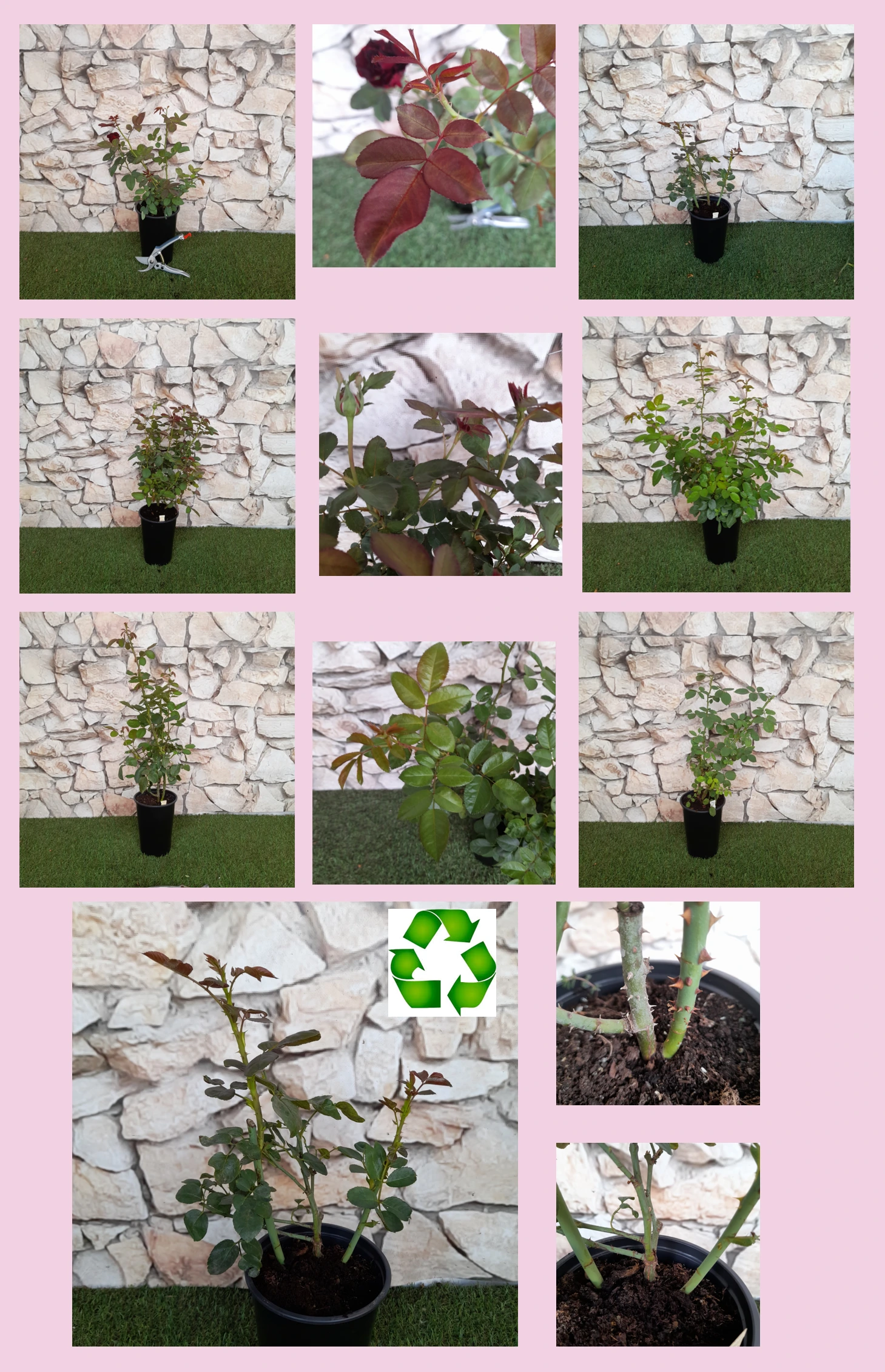
Crop overview: several varieties and growth stages in a short crop section.
Shoot system: intensive growth of fresh basal shoots on a young plant.
Root system: demonstration of a vigorous root system permeating the growing medium, by removing the pot.
Balance: mature plant with root system and shoots in harmony with each other.

Information about the videos
The video series is not a “seasonal showcase”; it illustrates the essence of pharmaROSA® own-root cultivation in a tangible way: how the plant is built up, what the root system is like and how the shoot system regenerates. The recordings were therefore made at different times and with plants at various stages of development, so mixed foliage levels and differing stages of growth may appear in the videos. They are not a ‘sample’ of the batch dispatched, but a visual explanation of how the technology works. The current condition of the rose available to order — typical for the given period and similar to what you can expect to receive in the parcel — is shown in the upper part of the product page.

charlotterose.bepharmarosa.compharmarosa.skpharmarosa.espharmarosa.czpharmarosa.ropharmarosa.plpharmarosa.itpharmarosa.hrpharmarosa.sipharmarosa.atpharmarosa.frpharmarosa.nlpharmarosa.depharmarosa.grpharmarosa.dkpharmarosa.iepharmarosa.lupharmarosa.ptpharmarosa.bgpharmarosa.ltpharmarosa.sepharmarosa.lvpharmarosa.eepharmarosa.fipharmarosa.rudarinarose.co.uk

Product types

Pages for private customers
Garden roses for the family garden, with minimal care  → ORIGINAL®
Premium garden roses – instant impact, a truly showpiece garden  → EXTRA®
Pages for professionals and private customers
Roses for public spaces – large areas, sustainable maintenance  → NATURAL®
Roses for projects – hedge and row planting, fast implementation  → RAPID®
For professional partners only
Production – propagation material for garden roses, wholesale  → NEONATAL®

Company details

PharmaRosa Ltd.
Company registration number: 01-09-717479
VAT number: 13075314-2-43
Plant health registration no.: HU130721
Bank account (IBAN):
HU85117631891388688400000000
BIC (SWIFT): OTPVHUHB
Bank name: OTP Bank Nyrt.