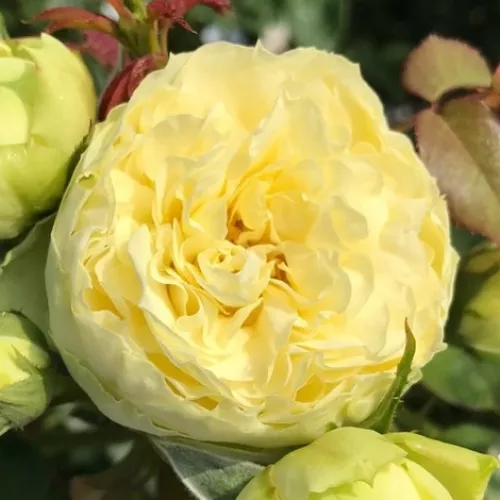
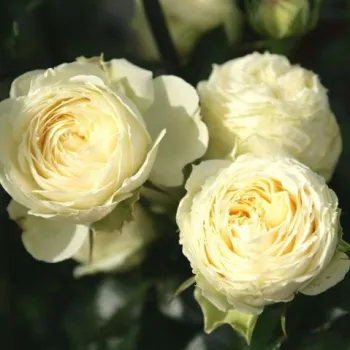
Cream-yellow flower with a soft lemon-yellow shade at the centre of the petals. - hybrid tea rose - light, subtly scented rose - fresh, fruity character
– Cream‑yellow blooms with honey‑gold centres.
– Remontant flowering, blooms reliably all season.
– Bushy habit, ideal for beds and hedging.
– Excellent disease resistance for easier care.
– Hardy to USDA zone 5b, reliable in cold.
– Special feature: Premium gold quality, suited to cut flowers and elegant garden displays.
Unfortunately, we are currently unable to ship to the United Kingdom; we only deliver to countries within the European Union. For more information, please contact us!
3.5(5764)
Kensie Hybrid tea rose pharmaROSA®
Creamy blooms of Kensie bring a soft, romantic feel to classic British front gardens, with tidy, bushy growth that keeps beds and borders looking ordered yet inviting. This hybrid tea is easy to live with, thanks to its reliably remontant flowering and light, fresh, fruity fragrance that suits family spaces where strong scent might be overwhelming. With low-maintenance, disease-resistant foliage and hardy performance, it copes calmly with exposed sites where wind and rain regularly sweep across the plot, allowing you to enjoy a refined, long-lived display rather than constant remedial work. Planted as an own-root, premium-quality shrub, it establishes steadily so that in year one roots bed in, in year two top growth fills out, and by year three you enjoy its full ornamental presence in a settled, enduring structure.
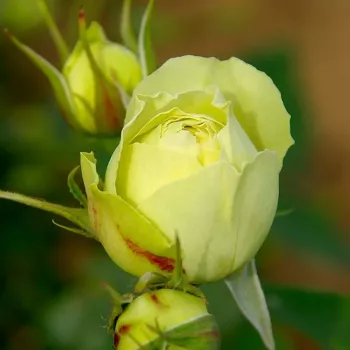
Kensie in closed bud stage, showing pale lemon-butter yellow tones.
Kensie shows a compact, double bloom with a rounded pompon-like flower form.
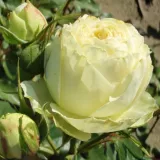
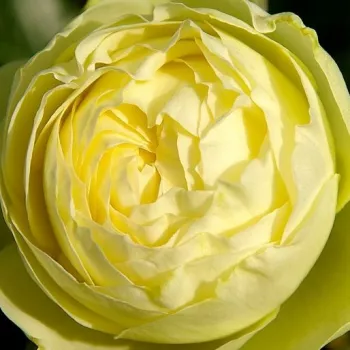
Freshly opened Kensie flower in soft golden-lemon tones.
Usage options
Target area
Reasoning
Front garden focal rose
Kensie’s elegant, cream-yellow hybrid tea blooms create a clear visual focus without overwhelming small spaces, ideal beside a path or bay window. Its upright, manageable habit stays neat, giving dependable structure with minimal shaping, suiting homeowners who want a smart entrance with little ongoing work for the busy beginner.
Small mixed bed with perennials
The bushy, mid-height frame slots easily into cottage-style mixes, pairing well with airy perennials that weave between stems. Own-root growth gives long-term stability, so once settled it returns reliably each year, reducing replanting and helping the bed mature gracefully for the time-pressed improver.
Low-maintenance rose border
Strong resistance to black spot, mildew and rust keeps foliage fresh-looking without complex spray routines, ideal where you prefer simple care and basic feeding. Reliable reblooming across the season means the border stays colourful rather than boom-and-bust, supporting a relaxed routine for the practical gardener.
Cutting patch for home bouquets
Medium-sized, double, ball-shaped blooms on straight stems lend themselves well to cutting for vases, bringing gentle colour indoors without needing a dedicated show bed. The light, fruity fragrance is pleasant but not overpowering, suiting households that favour subtlety in arrangements for the style-conscious homeowner.
Feature rose in a cottage-style corner
The soft shift from golden–lemon yellow to cream and near-white matches traditional cottage planting, blending beautifully with pastel foxgloves, campanulas or catmints. As each flush opens, the colour changes across the plant add quiet interest without clashing, pleasing the cottage-garden enthusiast.
Rose group of 3–5 plants
Planted as a small group at the recommended spacing, Kensie forms a gently rounded, coherent mass of bushy growth that reads as one tidy feature. Own-root plants gradually knit together into a balanced stand, giving long-lived, even flowering and strong anchoring in the soil for the long-term planner.
Large container on terrace or patio
In a generously sized container of at least 40–50 litres with good drainage, the compact yet substantial habit provides height and presence close to seating areas. Repeating flushes mean colour through the season, while sound disease resistance keeps foliage attractive at eye level for the urban balcony owner.
Exposed or coastal-influenced garden beds
Hardiness down to approximately –26 °C and robust, moderately thorny stems give a reassuringly tough structure where wind and weather are regular factors, offering reliable flowering once established. This makes it suitable for gardens that feel the brunt of coastal rain and gusts, supporting the weather-wary beginner.
Styling ideas
Cottage-pastel trio – Group Kensie with soft pink and lavender perennials such as campanula and catmint for a romantic, low-effort border – ideal for lovers of relaxed cottage style.
Formal-front accent – Flank a front path with pairs of Kensie underplanted with low box or lavender to give year-round structure and refined seasonal bloom – suited to owners of classic front gardens.
Golden-to-cream drift – Plant a small sweep of 3–5 Kensie shrubs to showcase the colour fade from warm yellow to cream along the bed – perfect for those wanting a gentle, unified statement.
Patio-feature container – Place Kensie in a 50-litre terracotta pot with airy grasses or trailing thyme at the base for a soft, easy-care focal point – good for busy terrace and courtyard gardeners.
Cutting-corner row – Arrange a straight row of Kensie in a narrow bed to provide regular, subtly scented stems for the house – aimed at home florists who want reliable, uncomplicated material.
Technical cultivar profile
Parameter
Data
Name and registration
Kensie Hybrid tea rose pharmaROSA®, cream-coloured hybrid tea for garden and cutting use; commercial type hybrid tea rose, own-root in 2-litre container, authenticity verified for reliable identification.
Origin and breeding
Hybrid tea discovered in Germany in 2015; detailed parentage and breeding company are not recorded. Introduced and distributed by PharmaRosa® Ltd. for reliable garden performance and online purchasing.
Growth and structural characteristics
Bushy shrub reaching about 100–140 cm in height and 80–110 cm spread, with moderately dense, glossy mid-green foliage and moderate prickliness, forming a balanced, upright garden presence over time.
Flower morphology
Medium-sized, double, ball to pompon-shaped blooms with around 26–39 petals, borne mainly in small corymbose clusters, repeating freely with a second flowering that is also abundantly produced in season.
Colour data and phenology
Cream-yellow flowers with a soft lemon-yellow centre; newly opening blooms warm golden–lemon, then fading through straw-cream to almost ivory, with colour retention moderate and tones softening as the flowers age.
Fragrance and aroma
Light, fresh, fruity fragrance of subtle intensity, noticeable on close approach without dominating nearby seating areas; suitable for family spaces and entrances where strong perfume might be less desirable.
Hip characteristics
Occasionally produces small ornamental rose hips approximately 10–18 mm in diameter; hips are not a primary decorative feature but may appear sporadically after flowering if spent blooms are left uncut.
Resistance and winter hardiness
Good overall disease resistance, with noted resistance to powdery mildew, black spot and rust; hardy to about –26 to –23 °C (RHS H7), suitable for colder UK regions with appropriate planting and drainage.
Horticultural recommendations
Recommended for beds, borders, and cutting; plant at 55–65 cm spacing, up to about 2.7 plants per m². Best in well-drained soil with regular watering and feeding, responding well to standard winter pruning.
Kensie Hybrid tea rose pharmaROSA® offers soft cream-yellow blooms, reliable repeat flowering and strong disease resistance on a long-lived own-root plant, making it a thoughtful choice for easy, enduring garden structure.
Detailed product attributes
Product Identification Data
Product Name:
KENSIE – cream-coloured hybrid tea rose - pharmaROSA®
Product Type:
pharmaROSA® ORIGINAL - 2-litre own-root potted rose
Flower Colour Description:
Cream-yellow flower with a soft lemon-yellow shade at the centre of the petals.
Closed Bud:
Pale lemon–butter yellow, with a slight greenish tinge toward the outer petals.
Newly Opened Flower:
Medium-warm, soft golden–lemon yellow, fading outward to cream–ivory, the petal edges having cooler, pearl‑white tones.
Full Bloom:
Very full, double bloom with outer petals cream to butter yellow and an inner honey‑gold glow; in shade the outer petals cool slightly to a greenish‑white.
Before Fading:
The yellow quickly fades to straw‑yellow–cream, then to almost ivory, and the golden centre fades.
Colour Fading Description:
As the bloom progresses the warm golden–lemon yellow gradually fades to cream–ivory and shortly before the flower withers it becomes almost white.
Pollinator Attraction:
Double; flowers with 26–39 petals attract pollinators only to a limited extent because the double flower form and reduced accessibility of the stamens restrict access to nectar and pollen.
Our product is a rose grown with pharmaROSA®’s unique cultivation technology!
2-litre, own-root, potted rose.
With a shoot system appropriate to the season.
With a root system that thoroughly permeates the growing medium.
Quality compliant with the requirements of the E.N.A. (European Nurserystock Association).
Supplied in unique packaging that prevents damage.
Can be planted during frost-free periods.
True-to-variety rose bush with a unique identifier.
The pharmaROSA® own-root potted rose is a well-rooted plant that supports reliable establishment when planted and cared for properly, so it can be planted whenever the soil is not frozen.
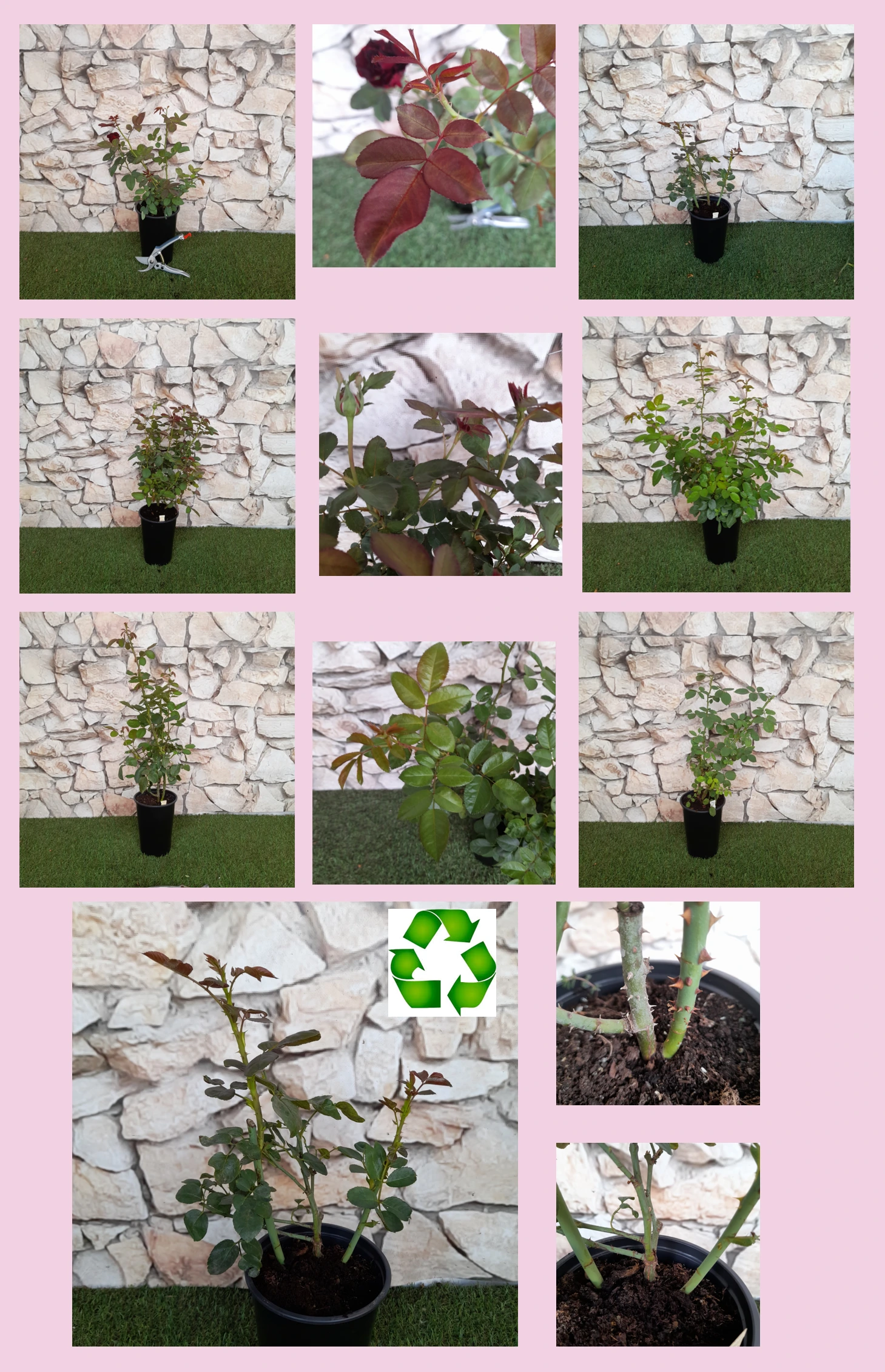
Crop overview: several varieties and growth stages in a short crop section.Shoot system: intensive growth of fresh basal shoots on a young plant.Root system: demonstration of a vigorous root system permeating the growing medium, by removing the pot.Balance: mature plant with root system and shoots in harmony with each other.
Information about the videos
The video series is not a “seasonal showcase”; it illustrates the essence of pharmaROSA® own-root cultivation in a tangible way: how the plant is built up, what the root system is like and how the shoot system regenerates. The recordings were therefore made at different times and with plants at various stages of development, so mixed foliage levels and differing stages of growth may appear in the videos. They are not a ‘sample’ of the batch dispatched, but a visual explanation of how the technology works. The current condition of the rose available to order — typical for the given period and similar to what you can expect to receive in the parcel — is shown in the upper part of the product page.
Pages for private customers Garden roses for the family garden, with minimal care → ORIGINAL® Premium garden roses – instant impact, a truly showpiece garden → EXTRA® Pages for professionals and private customers Roses for public spaces – large areas, sustainable maintenance → NATURAL® Roses for projects – hedge and row planting, fast implementation → RAPID® For professional partners only Production – propagation material for garden roses, wholesale → NEONATAL®
Company details
PharmaRosa Ltd. Company registration number: 01-09-717479 VAT number: 13075314-2-43 Plant health registration no.: HU130721 Bank account (IBAN): HU85117631891388688400000000 BIC (SWIFT): OTPVHUHB Bank name: OTP Bank Nyrt.