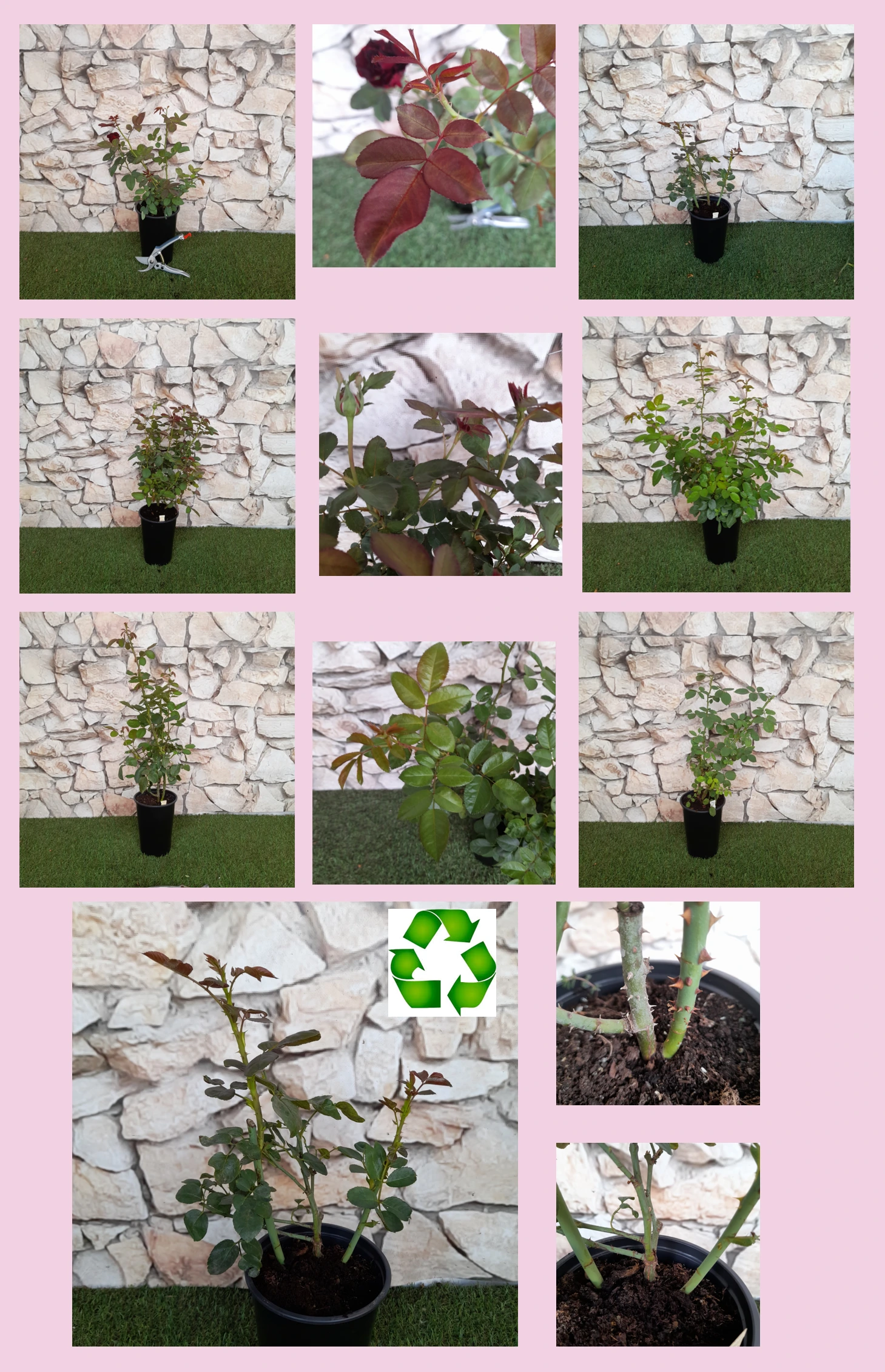
Lavender Pinocchio – purple bedding floribunda rose
Lavender blooms on compact, bushy growth make Lavender Pinocchio an ideal choice when you want dependable colour in a modest family garden without complicated care. This classic floribunda offers abundant cluster flowerings through the season, giving reliable summer display even in changeable British weather with breezy conditions near the coast. Its medium maintenance needs suit hobby gardeners who are happy to carry out occasional checks for common rose problems, while its durable own-root structure supports a long garden life and steady shape over time. Planting in your chosen spot, keeping moisture steady and feeding lightly lets the young plant focus on roots in the first season, before stronger shoot growth and finally the full ornamental effect develop over the next few years. The semi-double, cupped blooms in shifting shades of lilac-purple create a gently romantic cottage feel that blends well with other perennials, yet remains orderly enough for neat front gardens and beds.
Usage options
| Target area | Reasoning |
|---|
| Front garden focal bed |
The bushy, compact habit and mid-height growth make Lavender Pinocchio easy to place in an average front garden where space is limited but impact matters. Regular clusters of lilac-purple flowers create a clear focal point without appearing overpowering or messy for beginners. |
| Small group planting (3–5 plants) |
Planting a small group at the recommended spacing creates a low, continuous flowering band that reads as one coherent shrub. This arrangement enhances the rose’s repeat blooming and helps maintain a tidy look with straightforward pruning, suiting busy-owners. |
| Mixed cottage-style border |
The softly shifting lavender-purple tones combine naturally with traditional border perennials and ornamental shrubs, echoing classic cottage borders while remaining structured. The semi-double flowers and mid-green foliage provide colour and form without complicated maintenance for style-lovers. |
| Bed and border edging |
Its relatively uniform height and compact spread allow Lavender Pinocchio to form a neat edging line along paths or lawn, useful where a clear boundary is desired. Regular deadheading and simple annual pruning are usually enough to maintain shape for home-gardeners. |
| Feature shrub in small beds |
Used singly, this floribunda has enough presence to anchor a small bed, with repeat flushes providing colour through the main season. The own-root form supports long-term structure and allows the plant to recover well from pruning or weather-related damage for long-term-planners. |
| Informal low hedge or row |
Planted at hedge spacing, its bushy habit and dense foliage create a lightly screening row suitable for driveways or along garden boundaries. With medium disease resistance, it benefits from reasonable air flow and basic monitoring, still remaining manageable for practical-gardeners. |
| Family garden flowerbed centrepiece |
Placed towards the middle of a flowerbed, Lavender Pinocchio delivers seasonal colour in reach of everyday enjoyment, while the semi-double blooms and discreet fragrance feel welcoming rather than overwhelming. It fits well in gardens where children and adults share outdoor space for families. |
| Sheltered coastal or breezy sites |
In locations exposed to frequent wind, its compact frame and relatively firm, mid-sized blooms cope better than very tall or delicate roses, particularly when planted in well-drained beds that avoid waterlogging under heavy rain, reassuring for coastal-owners. |
Styling ideas
- Cottage-drift – Combine Lavender Pinocchio with soft pink geraniums and airy grasses to echo traditional cottage borders while keeping the structure compact and manageable – ideal for romantic-style beginners.
- Neat-border – Line a path with a simple row, underplanting with low silver foliage such as dwarf artemisia to highlight the lavender blooms and keep the edge visually tidy – perfect for order-loving homeowners.
- Pastel-mix – Pair with pale yellow or cream perennials and soft blue flowers for a gentle, blended palette that works well in small front gardens – suitable for colour-conscious but time-poor gardeners.
- Seasonal-focus – Use a single plant in a large pot beside the front door, surrounding it with seasonal bedding for added colour, provided the container is at least 40–50 litres – good for urban balcony or patio users.
- Family-bed – Place Lavender Pinocchio centrally in a mixed bed with hardy shrubs like cherry laurel at the back and lower perennials in front to create layered interest that remains easy to look after – appealing to busy family gardens.
Technical cultivar profile
| Parameter | Data |
|---|
| Name and registration |
Lavender Pinocchio – bedding floribunda rose from the Pinocchio line; registered cultivar name Lavender Pinocchio, used in garden and exhibition floribunda categories. |
| Origin and breeding |
Bred by Eugene S. Boerner for Jackson & Perkins (USA) from ‘Pinocchio’ × ‘Grey Pearl’, introduced around 1948 as an unregistered but widely recognised garden floribunda. |
| Growth and structural characteristics |
Bushy, compact shrub reaching about 100–140 cm in height and 75–105 cm spread, with moderately thorny stems and dense, slightly glossy mid-green foliage for good visual cover. |
| Flower morphology |
Semi-double, cupped flowers in clusters, typically 13–25 petals per bloom, medium-sized at around 4–7 cm, repeating well with a notably abundant second flush in suitable conditions. |
| Colour data and phenology |
Lavender to mid-lilac-purple blooms (RHS 75C, 75A) that gradually lighten to pale lavender-pink with a silvery lilac hint; colour retention is moderate as flowers age and weather. |
| Fragrance and aroma |
Delicate, classic rose fragrance of mild strength, noticeable at close range without dominating nearby planting schemes or seating areas, suited to subtle-scented family gardens. |
| Hip characteristics |
Rose hips form only occasionally due to the semi-double flowers; when present they are small, spherical, orange-red hips around 10–14 mm in diameter, with limited ornamental effect overall. |
| Resistance and winter hardiness |
Hardy to about −21 to −18 °C (RHS H7, USDA zone 6b, Swedish zone 3); medium resistance to black spot, powdery mildew and rust, benefiting from good air flow and basic hygiene. |
| Horticultural recommendations |
Best at 55–100 cm spacing depending on use, 2.4–2.7 plants/m² for mass planting; prefers well-drained soil, regular watering in dry spells and occasional pest and disease checks. |
Lavender Pinocchio offers compact, long-lived colour with repeat lavender blooms, moderate care needs and the steady resilience of an own-root shrub, making it a thoughtful choice for relaxed, tidy family gardens.