La Garçonne – cream-pink hybrid tea rose – Evers
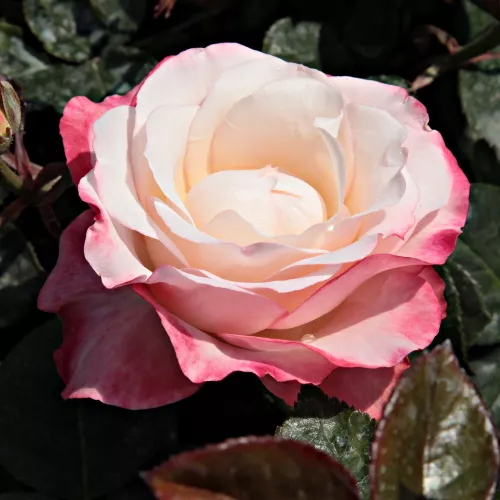
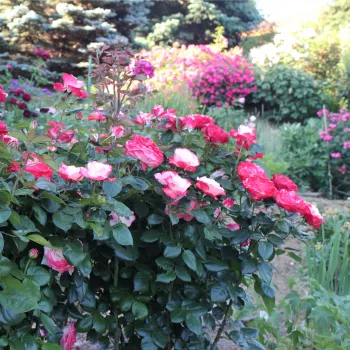
elegance and cottage charm meet in La Garçonne, a nostalgic hybrid tea whose creamy centres and vivid red petal edges create a feature in even the smallest front garden. Its bushy, upright growth gives tidy structure, while own-root longevity means the plant gradually matures into a stable, well-shaped rose that fits naturally into British borders. Ideal where you want classic colour without complex care, it copes reliably with British summers, even where heavy soil benefits from improved drainage and careful watering. Medium maintenance in practice translates to a few straightforward seasonal tasks, rewarding you with repeat flushes of very full blooms perfect for cutting. Over time, roots establish, shoots strengthen and the display becomes richer year on year, giving dependable impact for busy gardeners who value lasting beauty and easy-going performance.
Usage options
| Target area | Reasoning |
|---|
| Small front-garden feature rose |
La Garçonne’s upright, bushy habit and 80–110 cm height make it an ideal focal point near a doorway or path, giving clear structure without overpowering a modest plot. The repeat, well-shaped blooms maintain a composed look with simple, occasional deadheading – well suited to beginners. |
| Classic flower bed in family gardens |
Planted at 60 cm intervals, this variety builds a low, cohesive bed of dark, glossy foliage topped with cream-and-red blooms for a timeless, ordered look. Own-root plants settle into the soil and gradually form balanced clumps that respond well to ordinary annual pruning – reassuring for hobby-gardeners. |
| Edging for paths and drives |
The controlled spread (55–85 cm) allows neat edging rows that frame paths and driveways without becoming unruly. Although spent blooms need light tidying, the bushy structure stays compact and defined, supporting a smart, well-kept appearance appreciated by front-garden-owners. |
| Cutting patch and home arrangements |
Medium-sized, very full, solitary blooms on upright stems are well suited to cutting for vases, with bicolour petals that read beautifully indoors. Regular cutting encourages fresh flowers outdoors too, turning a small area into a productive yet decorative corner valued by flower-lovers. |
| Small group planting (1–5 plants) |
Used in groups, La Garçonne creates a harmonious, repeating motif that works well in cottage-style mixes without looking chaotic. Its remontant habit brings a strong second flush, so even compact borders keep their colour rhythm with modest care, pleasing design-conscious-owners. |
| Mixed cottage-style borders |
The rose’s nostalgic bicolour flowers combine elegantly with airy perennials, while sturdy stems and dense foliage provide backbone amongst looser planting. Good heat tolerance, with consistent watering during drier spells, suits increasingly warm summers for climate-aware-gardeners. |
| Containers and large patio pots |
In a 40–50 litre or larger container, its moderate size and upright habit stay in proportion, giving long-season colour close to seating areas. Own-root growth means the plant rebuilds well after pruning and remains a dependable, long-term feature for patio-gardeners. |
| Part-shade planting near the house |
Suitable for partial shade, La Garçonne fits naturally against house walls or among shrubs where sun is limited, maintaining flower quality without demanding prime positions. This flexibility broadens planting options in busy family plots, particularly helpful for space-limited-owners. |
Styling ideas
- Front-door focus – Position a single La Garçonne by the front path with low evergreen edging to echo its tidy form – ideal for homeowners wanting simple, welcoming structure.
- Cottage trio – Plant three roses in a loose triangle with soft perennials like pink verbena to weave through the blooms – suited to those who enjoy classic cottage borders.
- Neat edging – Line a drive or straight path with evenly spaced bushes for a formal, rose-lined approach – perfect for gardeners who like an orderly, low hedge effect.
- Patio statement – Grow one plant in a 50 litre terracotta pot near seating, underplanted with seasonal herbs for scent and texture – appealing to balcony and terrace users.
- Cutting corner – Dedicate a sunny bed to several plants for regular vase harvests alongside filler flowers – attractive for garden owners who love home-grown arrangements.
Technical cultivar profile
| Aspect | Data |
|---|
| Name and registration |
Hybrid tea rose, registered as TANeiglat, marketed as La Garçonne Nostalgic Roses® TANeiglat; exhibition name La Garçonne®. Part of the Nostalgic Roses® collection, verified cultivar authenticity for garden use. |
| Origin and breeding |
Bred by Hans Jürgen Evers for Rosen Tantau, Germany; bred 1995, registered 1995, introduced 1996. Parentage unknown but selected for refined flower form and reliable performance in Central European climates. |
| Awards and recognition |
Well-proven show rose: Rumbeke 1st Prize (1998), The Hague Top Rose (2000), Glasgow Gold Medal (2002), Warsaw Diplomas (2006, 2009) and Lottum Audience Prize (2011), reflecting sustained quality. |
| Growth and structural characteristics |
Bushy, upright habit reaching about 80–110 cm high and 55–85 cm wide, with dense, dark green, glossy foliage. Moderately thorny stems; forms a compact, clump-forming shrub suited to beds, edging and containers. |
| Flower morphology |
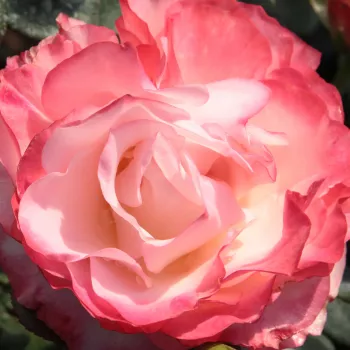
Hybrid tea type blooms, medium-sized (approx. 4–7 cm), very full with 40+ petals, usually borne singly on stems. Rounded, ball to pompon shape, opening slowly and retaining their form before petals eventually require manual removal. |
| Colour data and phenology |
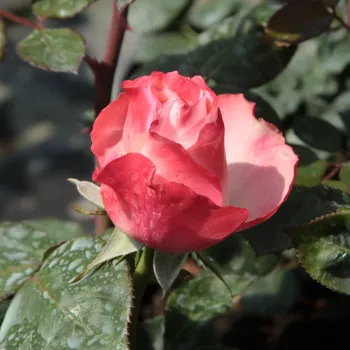
Cream-white centres with vivid cherry-red petal edges; deep red buds soften as they open. Colour holds well for several days, then cream pales to yellowish white and red margins lighten. Remontant with an abundant second flowering. |
| Fragrance and aroma |
Medium-strength scent that is clearly noticeable at close range, adding to its appeal as a cutting and garden rose. Exact fragrance profile is not documented, but it is perceived as a pleasant, classic rose aroma. |
| Hip characteristics |
Due to the very double blooms, rosehip formation is usually sparse; occasional small, ovoid red hips around 10–15 mm may appear but are not a major ornamental feature or propagation asset. |
| Resistance and winter hardiness |
Hardy to around −21 to −18 °C (RHS H7, USDA 6b, Swedish zone 3). Disease resistance is moderate to black spot, powdery mildew and rust, needing periodic monitoring. Tolerates heat well with regular watering in dry spells. |
| Horticultural recommendations |
Best in well-drained soil with regular feeding and moisture; suitable for beds, edging, cutting and large containers. Plant at 50–90 cm spacing depending on use, and prune annually to maintain shape and encourage repeat flowering. |
La Garçonne offers nostalgic bicolour blooms, reliable repeat flowering and a compact habit on a resilient own-root plant that matures gracefully, making it a considered choice for long-term, low-fuss rose enjoyment.