Kronenbourg – Hybrid tea rose MACbo
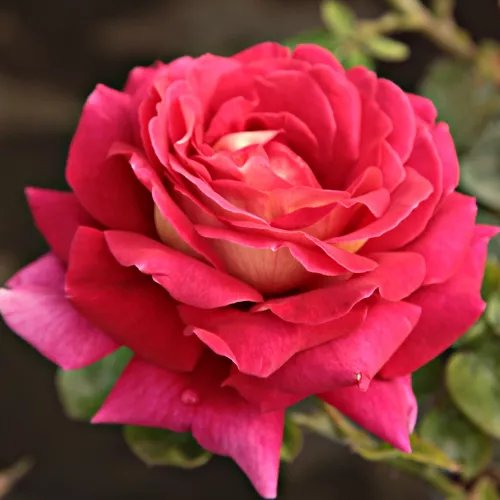
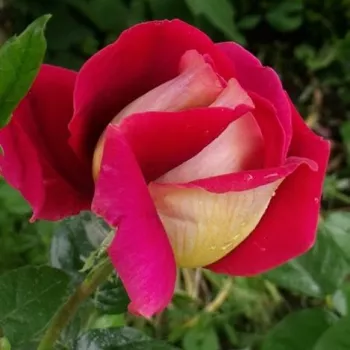
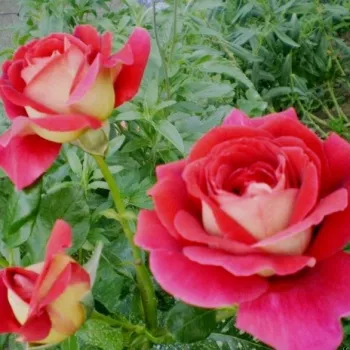
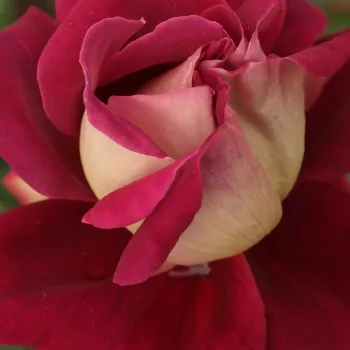
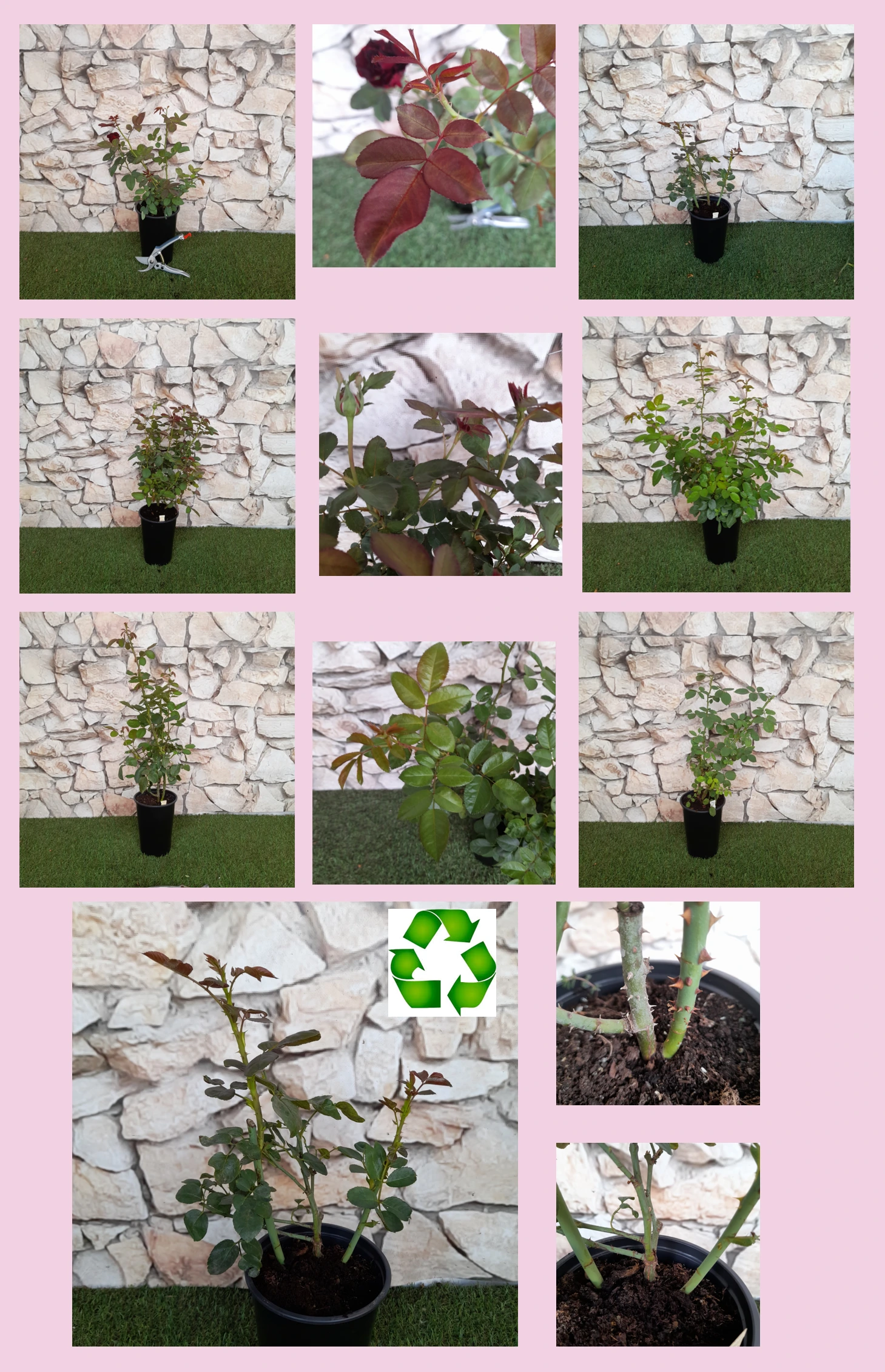
Colour lovers value Kronenbourg for its dramatic bicolour blooms: crimson-red within and golden-yellow beneath, glowing even in unreliable weather with a special resilience to breezy, damp British conditions and thoughtfully bred for borders and cutting. This upright, well-foliaged bush gives reliable repeat flowering, offering a generous second flush after you remove spent blooms, while its own-root form promises a quiet, dependable lifespan that settles in and improves year by year. With medium, fruity-tea fragrance and glossy dark green leaves, it offers classic hybrid-tea elegance without fussy routines, thriving in ordinary family gardens when planted with basic drainage, regular watering and simple seasonal feeding. From a steady first year of root-building through stronger second-year growth to full garden presence by year three, it supports low-effort yet rewarding gardening and suits time-pressed yet style-conscious homeowners.
Usage options
| Target area | Reasoning |
|---|
| Front garden feature rose |
Kronenbourg’s striking red and golden-yellow blooms create instant kerb appeal, giving a single, upright bush real presence beside a path or doorway. The glossy dark foliage frames each flower like a showcase, so even one plant reads clearly from the pavement and supports an elegant, welcoming approach for style-focused beginners and busy homeowners. |
| Small mixed border in a family garden |
The compact, upright habit (around 100–140 cm) slots neatly into modest borders without overwhelming nearby perennials. Its repeat flowering provides season-long colour that helps a small space feel “finished” with only basic feeding and deadheading, ideal where you want reliable structure and colour more than intensive gardening for new gardeners. |
| Low-maintenance rose bed for easy care |
Good resistance to black spot, powdery mildew and rust makes this variety suitable for low-intervention planting schemes in everyday suburban settings. With sunlight, occasional watering in dry spells and light pruning, it keeps its shape and health, reducing the need for sprays or complicated regimes for time-poor owners. |
| Cutting patch for home-grown bouquets |
High-centred, pointed buds and large, double flowers give that classic florist-style stem, while the medium, fruity-tea fragrance adds charm in vases. Grown as a small group, it provides a steady supply of long-stemmed blooms through the season for informal arrangements and special occasions at home for creative gardeners. |
| Own-root planting for long-lived structure |
As an own-root rose, Kronenbourg gradually develops its permanent framework where you plant it, helping it recover well after pruning or weather damage. Over time the bush becomes sturdier and more balanced, supporting a long service life in a family plot without the complications of graft regrowth for practical homeowners. |
| Rose hedge or row along a boundary |
Planted at about 55–65 cm intervals, the upright growth and dense foliage create a colourful, semi-formal line that softens fences or drives. Repeating the same variety ensures a consistent look from spring to autumn, with the bicolour flowers providing changing highlights as they open and fade for orderly gardeners. |
| Resilient planting in exposed or breezy spots |
This rose’s robust growth and strong foliage cope well in typical British conditions that blend wind, showers and occasional summer heat, particularly where soil drains reasonably and watering is managed in longer dry spells. It anchors beds visually while staying dependable in less-sheltered sites for coastal gardeners. |
| Large decorative container near a seating area |
In a generous 40–50 litre container with good compost and drainage, Kronenbourg performs well on patios or terraces, placing scented blooms right where you sit. Easy access makes feeding, watering and deadheading straightforward, so even small outdoor spaces enjoy classic rose character through the season for balcony owners. |
Styling ideas
- Cottage-curve border – Position Kronenbourg in the mid-line of a curved front-garden border, underplanted with catmint and campanula for a soft, romantic edge – ideal for lovers of relaxed cottage style.
- Warm-toned theme – Pair its red and golden-yellow flowers with orange geums and bronze heucheras to create a cohesive, glowing scheme – suited to homeowners wanting bold, coordinated colour.
- Cutting-corner trio – Plant three roses in a triangle near a sunny fence, with low lavender edging to frame access for cutting stems – appealing to those who enjoy arranging home-grown flowers.
- Formal-front accent – Flank a path with two identical plants in simple terracotta pots (40–50 litres), adding neat gravel and box balls for structure – perfect for neat, classic front gardens.
- Naturalistic mix – Combine with Crocosmia ‘Lucifer’, Gaillardia and airy grasses so the bright blooms emerge through a looser, meadow-like planting – attractive to fans of low-impact, informal schemes.
Technical cultivar profile
| Parameter | Data |
|---|
| Name and registration |
Hybrid tea rose, registered as MACbo, marketed as Kronenbourg – red-golden-yellow hybrid tea rose – McGredy; also known on the show bench as Flaming Peace in exhibition schedules. |
| Origin and breeding |
Sport of the renowned hybrid tea ‘Peace’, bred by Samuel Darragh McGredy IV, Samuel McGredy & Son, Nurserymen, introduced after 1965 via NIRP International in France. |
| Growth and structural characteristics |
Upright hybrid tea, typically 100–140 cm tall and 70–110 cm wide, with dense, dark green glossy foliage and moderate prickles; spent flowers generally require deadheading for best repeat display. |
| Flower morphology |
Large, high-centred, pointed-bud flowers of classic cut-rose form, double with roughly 26–39 petals, usually borne singly on stems, providing a good balance between garden display and cutting use. |
| Colour data and phenology |
Two-toned blooms, crimson-red on inner petal surfaces and yellow beneath; tones shift towards mauve-pink and ochre-yellow as flowers age, with stronger colour in cool weather and quicker fading under heat. |
| Fragrance and aroma |
Moderate but clearly perceptible scent combining fruity and traditional tea-rose notes, noticeable both on the plant and when cut for indoor display, contributing significantly to its ornamental appeal. |
| Hip characteristics |
Seed set is limited due to double flowers; occasionally produces small, ovoid orange-red hips about 10–14 mm across, adding discreet late-season interest without significant self-seeding issues. |
| Resistance and winter hardiness |
Rated H7 with approximate hardiness to around –26 to –23 °C, USDA zone 5b, showing good resistance to powdery mildew, black spot and rust, plus solid tolerance of summer heat given adequate watering. |
| Horticultural recommendations |
Best in full sun with well-drained soil; recommended spacing 55–100 cm depending on use, at around 2.5–2.9 plants/m² for mass bedding, with regular deadheading to encourage its plentiful second flush. |
Kronenbourg Hybrid tea rose MACbo offers dramatic bicolour blooms, reliable repeat flowering and a long-lived, own-root bush for family gardens; a thoughtful choice if you want lasting colour with straightforward care.