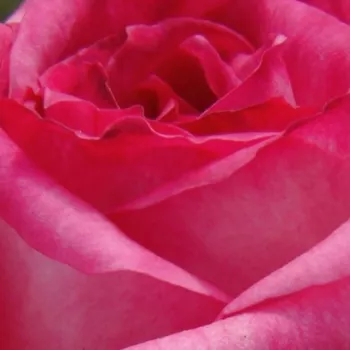
Kordes' Perfecta® hybrid tea rose – cream-pink perfection for classic borders
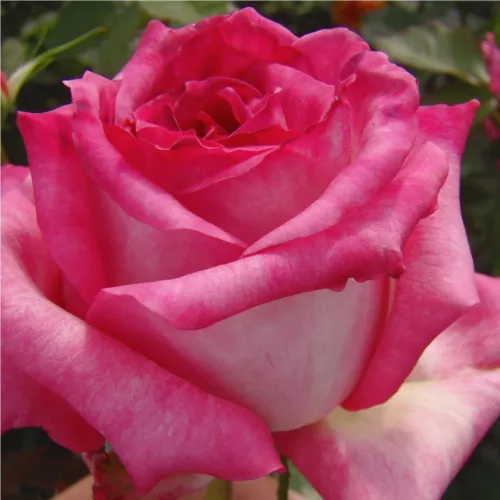
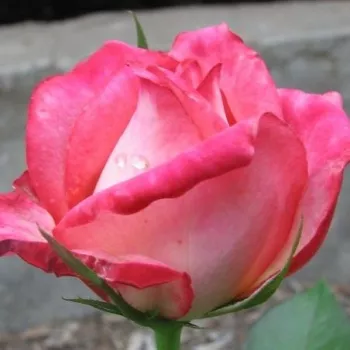
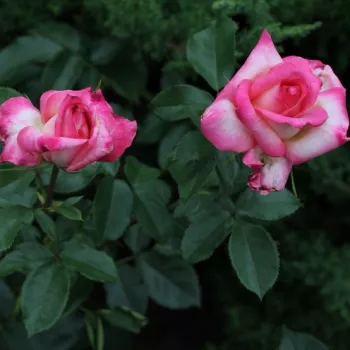
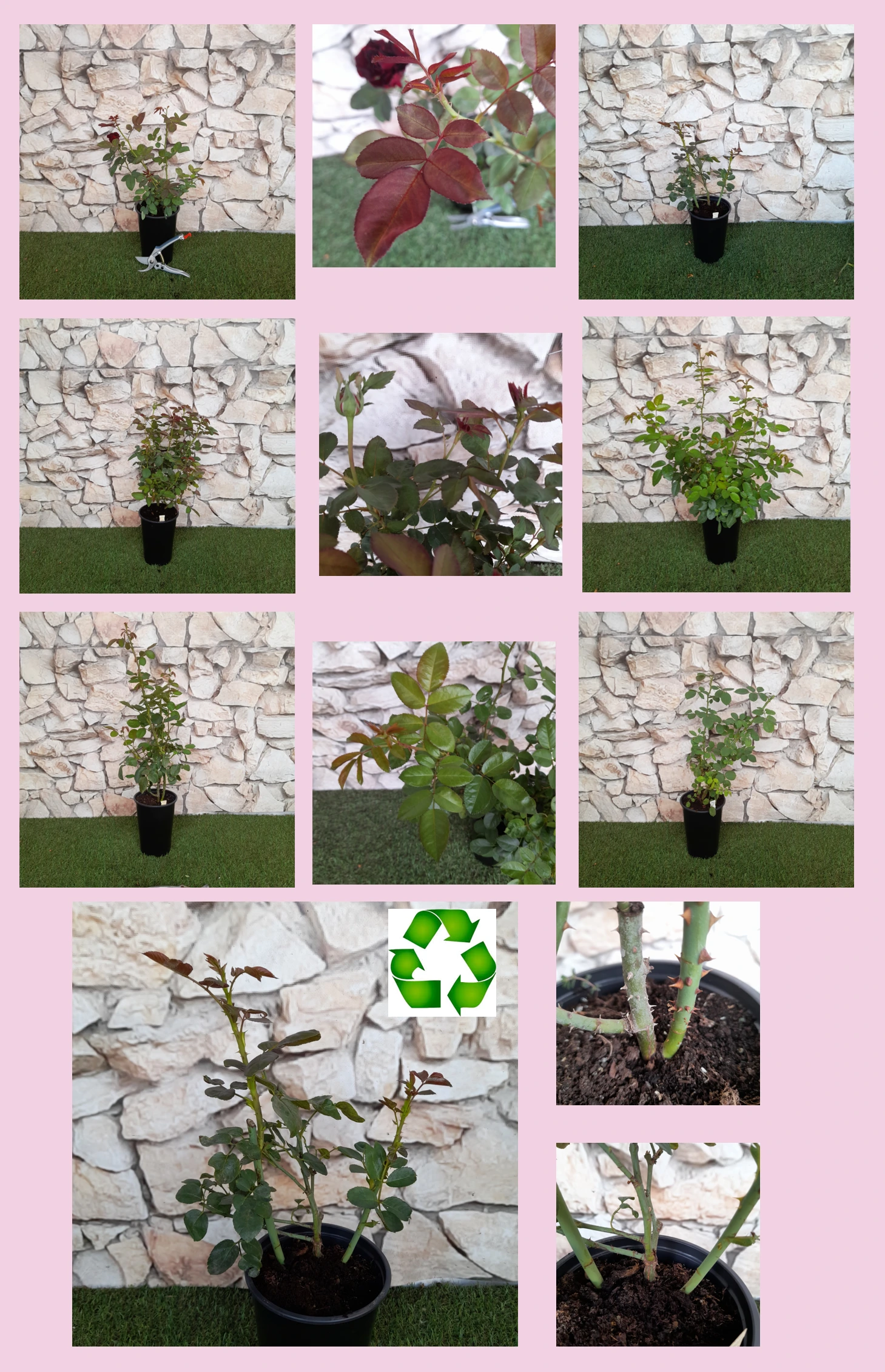
This elegant hybrid tea brings perfect high-centred blooms in soft cream with vivid pink edges, echoing traditional British front gardens while coping well with damp, breezy weather in coastal areas when drainage is sound. Its upright, well-branched habit and glossy foliage create a smart, tidy look that suits both formal paths and relaxed cottage mixes. Repeat-flowering throughout the season with well-scented, cut-flower quality blooms, it works beautifully where you want reliable colour and structure from a single, medium-maintenance rose. As an own-root plant, it builds a durable framework and regenerates from the base, supporting long-term longevity in family gardens. You can expect a natural development from establishing roots in the first year, strong shoots in the second, and full ornamental value by the third. Plant in sun with reasonable care and it will reward you with classic, exhibition-style flowers for many years.
Usage options
| Target area |
Reasoning |
| Front garden focal specimen |
The upright, medium-tall habit and dense, glossy foliage give a neat, architectural look that anchors a front bed or entrance. Planted as a single specimen, its cream-and-pink flowers read clearly from the pavement, offering a formal yet welcoming presence for beginners. |
| Classic hybrid tea cutting patch |
High-centred, pointed buds and solitary stems are ideal for cutting, bringing traditional exhibition-style roses indoors. Regular picking encourages more blooms, and the strong, fruity-tea fragrance makes it particularly rewarding for those who enjoy arranging flowers, suiting homeowners. |
| Small mixed border in a family garden |
The medium height and repeat-flowering habit let it sit comfortably among perennials without overwhelming them. Its stable own-root framework and moderate maintenance needs give consistent structure and colour through the season, helpful for time-pressed gardeners. |
| Rose-and-perennial cottage-style group (3–5 plants) |
Planted in a small group, the refined colour and repeated flushes of bloom create a soft, romantic effect alongside cottage staples such as foxgloves and airy grasses. This suits those wanting easy, long-lived planting with a traditional feel, especially enthusiasts. |
| Sunny, well-drained border in heavier soils |
In clay-based gardens, a raised, well-drained bed lets its roots anchor securely while avoiding waterlogging, supporting long-term health in areas with frequent rain and wind. This practical robustness is reassuring for coastal and suburban owners. |
| Feature rose in a large container (40–50 litres) |
In a generous pot with quality compost and regular feeding, its upright shape and repeat blooms make a refined statement by a doorway or on a terrace. Good root space in a 40–50 litre container supports long-term performance for busy urban residents. |
| Formal rose border with other hybrid teas |
Historic trial awards reflect its enduring garden merit, and the balanced height and broad spread help it fill its allotted space without gaps. Used in a line or geometric layout, it gives a classic rose-garden look that appeals to traditionalist collectors. |
| Long-term planting for family gardens |
As an own-root rose it forms its permanent framework in situ, so if stems are ever damaged, new growth can arise from the base, supporting a stable, long-lived display and reducing replacement needs, which particularly benefits budget-conscious families. |
Styling ideas
- Cottage Harmony – Combine with foxgloves and soft pink campanulas for a layered, romantic border that repeats colour through summer – ideal for cottage-garden-inspired homeowners.
- Front-Door Welcome – Underplant in a large container with trailing ivy and white lobelia beside the entrance for a refined, fragrant greeting – suited to busy urban residents.
- Cutting Corner – Group 3 bushes with simple edging lavender to frame a small cutting patch, offering scented stems and a neat outline – perfect for floristry-minded enthusiasts.
- Classic Rose Walk – Plant at regular intervals along a path with box or low evergreen edging to create a traditional rose walk feel – appealing to lovers of formal British gardens.
- Colour-Softened Screen – Use in a short row near a seating area, backed by variegated dogwood, to give gentle privacy with pastel, repeat-flowering blooms – useful for family gardeners.
Technical cultivar profile
| Parameter |
Data |
| Name and registration |
Hybrid tea rose; registered cultivar name KORalu, marketed as Kordes' Perfecta® hybrid tea rose. ARS approved exhibition name Kordes’ Perfecta, part of the hybrid tea rose group. |
| Origin and breeding |
Bred by Reimer Kordes (W. Kordes’ Söhne, Germany) from ‘Golden Scepter’ × ‘Karl Herbst’. Introduced 1957 by W. Kordes’ Söhne and Jackson & Perkins in international trade. |
| Awards and recognition |
Highly regarded historic cultivar with major trial honours: Madrid Certificate of Merit and RNRS Gold Medal in 1957, plus Portland Rose Trials Gold Medal and PIT President’s International Trophy soon after. |
| Growth and structural characteristics |
Upright, bushy plant 120–160 cm high and 80–120 cm wide, with dense, glossy dark green foliage and strong prickliness. Most spent flowers persist and benefit from regular deadheading. |
| Flower morphology |
Classic exhibition-type hybrid tea with solitary, high-centred, pointed buds and very double blooms of more than 40 petals. Medium flower size, around 1.5–2.75 inches across in typical garden conditions. |
| Colour data and phenology |
Cream base with vivid carmine-pink petal edges; RHS 62A outer, 11D inner. Colour softens and edging lightens in strong sun. Remontant, with abundant second and later flushes in good care. |
| Fragrance and aroma |
Strongly scented for a hybrid tea, with a slightly sweet, fruity-tea character noticeable both on the plant and in the vase, enhancing its value as a cut flower and garden presence. |
| Hip characteristics |
Hip set is generally low because of the very double flowers, but occasional small ellipsoidal orange-red hips, 13–17 mm in diameter, may develop and add late-season interest. |
| Resistance and winter hardiness |
Moderate overall disease resistance; good tolerance of powdery mildew and black spot, moderate against rust. Hardy to about −21 to −18 °C (RHS H7; USDA 6b; Swedish zone 3) with normal garden care. |
| Horticultural recommendations |
Best in sunny sites with fertile, well-drained soil; water in dry spells. Medium maintenance, with deadheading and formative pruning recommended. Ideal spacing 60–110 cm depending on use. |
Kordes' Perfecta® combines refined, fragrant blooms with dependable repeat flowering and long-lived own-root resilience, making it a thoughtful choice for gardeners seeking enduring elegance and reliable performance.