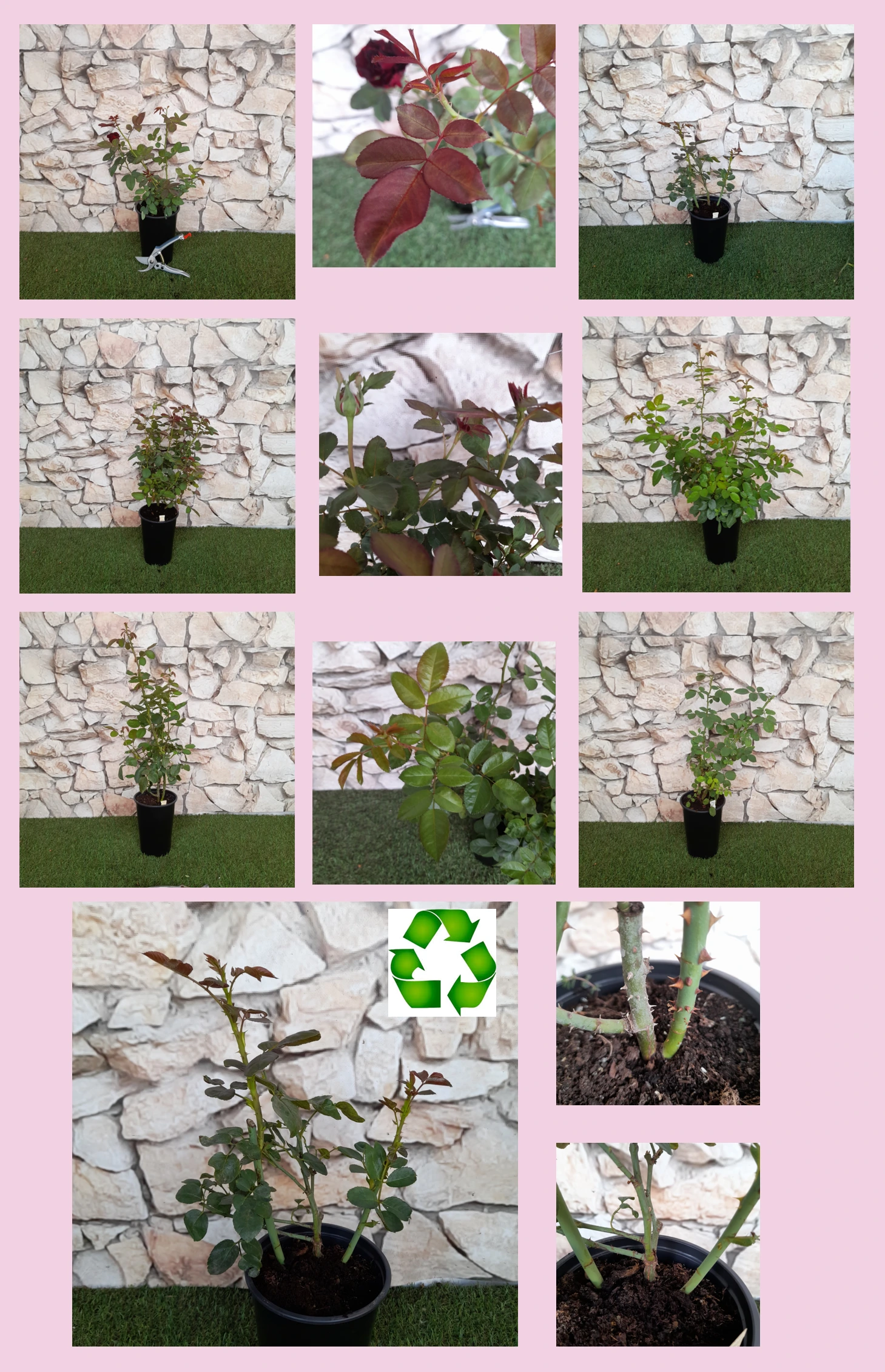
Macmillan Nurse – white bedding shrub rose
Elegant and serene, ‘Macmillan Nurse’ brings a softly glowing mass of creamy white rosettes to beds and borders, combining compact growth with generous flowering and a reliably fragrant presence near paths and seating areas. Its bushy, well‑clothed habit and rounded form suit classic British front gardens where you want structure without fuss, even in areas that sometimes face strong wind and driving rain near the coast. Bred for real gardens, it adapts steadily as an own‑root rose to give a long‑lived, stable shrub that can be pruned hard for renewal or lightly for shape, depending on your confidence. The creamy rosettes hold their colour well with minimal fading, while glossy dark foliage deepens the sense of contrast against brick, gravel or cottage‑style planting. Over the first few seasons you will notice roots establishing, then stronger shoots, and by the third year a full, satisfying display that feels like it has always belonged in your garden.
Usage options
| Target area |
Reasoning |
| Front garden focal shrub by the entrance |
The bushy, compact habit forms a rounded, welcoming presence beside a doorway or path, while the creamy white rosettes stay tidy and formal enough for small urban front gardens with limited space. Ideal for style‑conscious beginners |
| Low rose hedge along a drive or boundary |
Regular spacing at 55 cm creates a neat, continuous hedge of foliage and bloom; the balanced height keeps sight‑lines open while giving structure, and own‑root growth means the hedge thickens and endures for many years. Suited to practical homeowners |
| Mixed cottage border with perennials and grasses |
Its rounded form and repeat flushes of white rosettes weave easily into cottage schemes, pairing well with airy companions such as yarrow, sedges and gypsophila to soften edges without complicated maintenance. Perfect for relaxed gardeners |
| Small bedding groups in family gardens |
Planted in groups of three to five at 65 cm spacing, it quickly reads as a single, generous mound of bloom, simplifying layout decisions and reducing the need for intricate planting plans. Good for time‑pressed families |
| Partially shaded side garden or north‑east aspect |
Its tolerance of partial shade allows planting where sun hours are limited, such as beside garages or along side paths, so you can green up awkward corners without resorting to complex plant combinations. Helpful for space‑constrained owners |
| Fragrant seating area or patio edge |
The strong, rounded rose fragrance is best enjoyed close‑up, so positioning near benches or patios turns everyday pauses into scented moments, even when the second flush is lighter than the first. Appealing to scent‑loving visitors |
| Long‑term structural planting in clay or heavier soils |
Once established, the own‑root shrub anchors well and copes with typical British heavier soils when given decent drainage, building a durable, medium‑maintenance structure rather than a short‑lived bedding effect. Reassuring for cautious starters |
| Large container on a terrace or balcony |
In a 40–50 litre container with good compost and regular watering, it provides a compact fountain of white bloom, with foliage dense enough to look substantial even outside peak flowering, though spent blooms benefit from occasional deadheading. Ideal for balcony‑based beginners |
Styling ideas
- Entrance – Flank a front path with two matching shrubs underplanted with low blue sedge for year‑round structure – ideal for semi‑formal, design‑aware homeowners
- Cottage – Weave through a border of pink gypsophila and low yarrow to create a soft, romantic cottage feel – perfect for lovers of traditional mixed gardens
- Monochrome – Combine with white perennials and silver foliage in a restrained palette that highlights flower form and fragrance – suited to minimal‑effort, style‑focused gardeners
- Hedging – Plant a row along a drive or boundary for a low, structured hedge that offers long‑term, own‑root reliability – good for families wanting lasting definition
- Patio – Grow a single shrub in a generous terracotta pot as a fragrant focal point by outdoor seating – appealing to urban gardeners with limited space
Technical cultivar profile
| Property |
Data |
| Name and registration |
Modern shrub bedding rose; registered as BEAmac, traded as Macmillan Nurse Bedding rose BEAmac, with ARS exhibition name Macmillan Nurse for show and catalogue use. |
| Origin and breeding |
Bred by Amanda Beales from ‘Bonica’ × ‘Maigold’ and introduced by Peter Beales Roses, United Kingdom, in 1998; registration and commercial launch both date from the same year. |
| Awards and recognition |
Holders of the RHS Award of Garden Merit, plus a Certificate of Merit at the Glasgow International Rose Trials in 2008, confirming reliable garden and exhibition performance in UK conditions. |
| Growth and structural characteristics |
Bushy, compact shrub reaching around 75–105 cm in height and spread, with dense, glossy dark green foliage and moderate thorns; poor self‑cleaning means spent blooms benefit from regular manual removal. |
| Flower morphology |
Very double, rosette‑shaped blooms with more than 40 petals, borne mainly in clusters; large flower size in the 2.75–3.95 inch range, remontant with a lighter second flush after the main summer display. |
| Colour data and phenology |
Cream‑white base with a delicate peach tint in the centre; buds show a creamy‑yellow blush, opening snow‑white with peach glow, then bright white rosettes that hold colour very well with minimal fading through bloom life. |
| Fragrance and aroma |
Strong, full, rounded rose fragrance best appreciated at close quarters near paths or seats; heavily double blooms reduce pollen access, so it functions primarily as an ornamental rather than pollinator plant. |
| Hip characteristics |
Very double flowers set few hips; occasionally forms small, spherical orange‑red hips around 8–12 mm in diameter, scattered and decorative rather than a dominant autumn feature on the shrub. |
| Resistance and winter hardiness |
Hardy to approximately −32 to −29 °C (RHS H7, USDA 4b, Swedish Zone 5); moderate disease resistance to black spot, powdery mildew and rust, needing some monitoring and routine care in humid seasons. |
| Horticultural recommendations |
Suited to beds, specimens and park planting at 55–100 cm spacing, 2.4–2.7 plants/m²; moderate maintenance with occasional pest and disease control plus deadheading to sustain tidy appearance and ongoing flowering. |
Macmillan Nurse offers compact structure, enduring own-root reliability and richly scented white rosettes, making it a considered choice if you want a graceful, long-lived shrub you can plant with confidence.