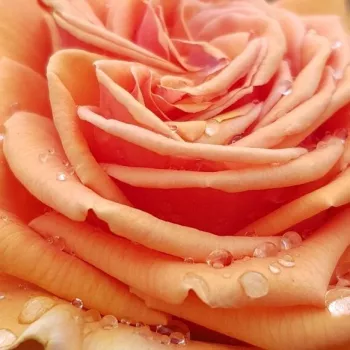
KING DAVID – orange hybrid tea rose – TANmarsa
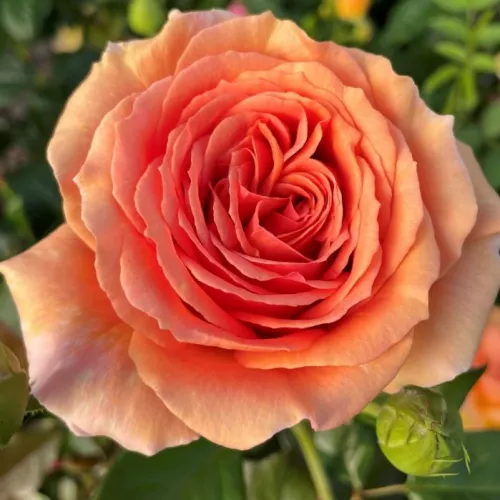
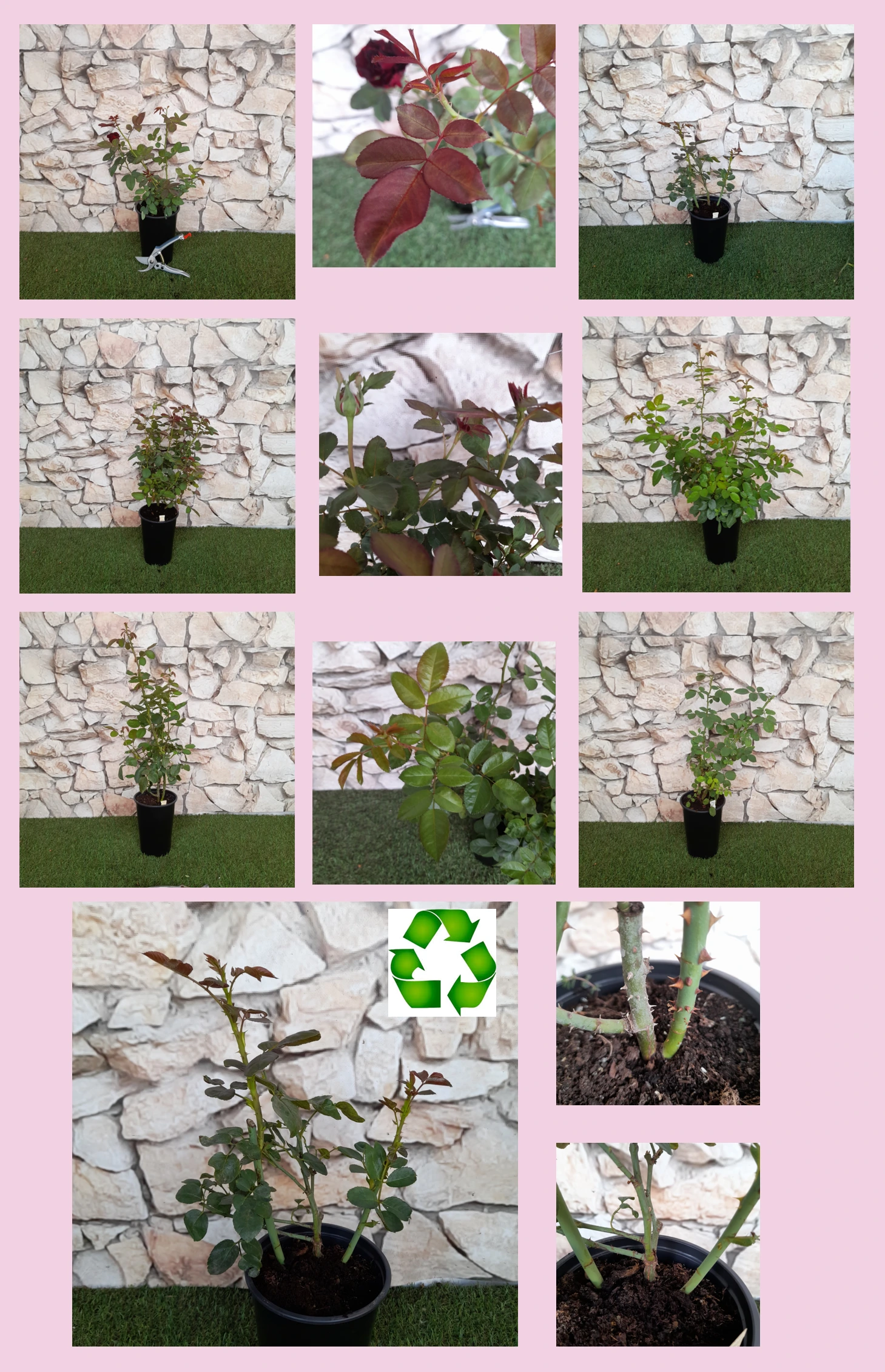
Effortless front-garden impact comes naturally with KING DAVID, a compact hybrid tea that brings rich copper‑orange blooms to small beds and borders without demanding complicated maintenance. Its upright, medium-height habit fits perfectly beside paths, bay windows or low fences, giving a tidy, structured look while XL, high‑centred flowers provide classic cut-rose quality for the vase. Well-suited to typical British plots, it copes reliably with changeable summers and breezy days by the coast thanks to its good anchoring and tolerance of wind and rain. As an own‑root plant in a 2‑litre pot, it settles steadily, building roots in the first year, stronger top growth in the second and full garden presence by the third, so you can simply plant, water and enjoy its repeat flowering with confidence. Medium fragrance adds a gentle, fruity note around seating areas without overwhelming smaller spaces, making it an easy choice for busy, style‑conscious beginners.
Usage options
| Target area | Reasoning |
|---|
| Front garden feature rose |
KING DAVID’s upright, medium-height structure and dense, glossy foliage give a neat, formal look that suits modest front gardens and entrance beds, adding smart kerb appeal without dominating the space; particularly reassuring for the style-focused beginner. |
| Reliable repeat-flowering bed |
Its strong repeat flowering delivers an abundant second flush, so smaller beds stay colourful for much of the season without replanting; regular deadheading is rewarded with more blooms, which suits time-poor gardeners wanting steady results, including the busy urban homeowner. |
| Compact specimen near seating |
The XL, high-centred blooms provide a focal point beside a bench or patio, while the light, pleasantly fruity scent adds refinement without overpowering close sitting areas, ideal for those who value subtle fragrance and tidy structure, such as the cottage-garden enthusiast. |
| Cut-flower corner or border row |
Originally bred as a cut-rose type, KING DAVID offers long-stemmed, high-centred flowers that open beautifully in a vase, so even a short row in a small garden can supply elegant stems for the house, suiting the practical yet aesthetic-minded gardener. |
| Warm-toned cottage-style mix |
The rich copper-orange flowers that mellow to peach tones blend well with blues and purples like meadow cranesbill or Salvia nemorosa, fitting classic British cottage schemes while still looking ordered and intentional for the design-conscious novice. |
| Small groups for tidy structure |
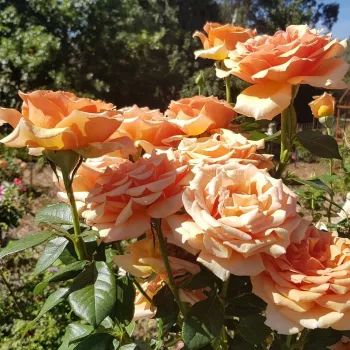
Planted in groups of three to five at the recommended spacing, its uniform height and upright habit create a cohesive, low hedge or block of colour, making bed layout simple and reducing the need for complex design decisions for the typical family-garden owner. |
| Everyday family garden rose |
Medium maintenance and own-root resilience mean that, with basic watering and occasional disease checks, KING DAVID builds into a stable, long-lived shrub that copes well with typical British weather and fits into everyday routines, reassuring the casual garden user. |
| Large container by door or terrace |
Its compact spread suits a 40–50 litre pot, where good anchoring and tolerance of breezy, rainy conditions help it perform reliably near doors or on patios; regular watering and feeding are straightforward tasks even for space-limited city residents. |
Styling ideas
- Copper-Classic Border – Line a short front path with KING DAVID and low evergreen edging for a clean, traditional look – ideal for owners wanting simple structure and reliable repeat colour.
- Patio-Focal Pot – Plant one rose in a 40–50 litre terracotta container by the back door, underplanted with low thyme for scent – suited to busy urban gardeners with limited ground space.
- Cottage-Warm Mix – Combine with blue meadow cranesbill and violet Salvia nemorosa in a small bed to soften the vivid orange into a romantic cottage feel – perfect for colour-loving beginners.
- Cutting-Row Strip – Create a narrow row along a sunny fence purely for cutting, spacing plants evenly for straight, high-centred stems – good for those who enjoy home-grown vase flowers.
- Family-Play Border – Use small groups in a border near lawns and seating, where tidy growth and moderate thorns balance beauty with practicality – suitable for families wanting manageable roses.
Technical cultivar profile
| Characteristic | Data |
|---|
| Name and registration |
Hybrid tea rose, registered as TANmarsa and marketed as King David hybrid tea rose TANmarsa; also shown as Ashram in exhibition circles, confirming its classic cut-rose character. |
| Origin and breeding |
Bred by Hans Jürgen Evers for Rosen Tantau in Germany and introduced in 1998; parentage is not recorded, but selection emphasised exhibition flower form and strong, warm orange colouring. |
| Growth and structural characteristics |
Compact, upright shrub around 60–80 cm high and 50–70 cm wide with dense, medium-dark green, slightly glossy foliage and moderate thorns, forming a neat, easily managed garden bush. |
| Flower morphology |
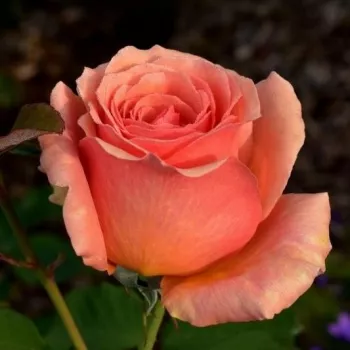
XL, high-centred, pointed-budded blooms with around 17–25 petals, semi-double in fullness, borne mainly singly on stems, repeating strongly to provide generous second and later flushes. |
| Colour data and phenology |
A rich copper-orange tone (RHS 28A–28C) opens deep and vibrant, then softens to peachy orange with a rosy hint before fading, retaining moderate colour strength through the flowering period. |
| Fragrance and aroma |
Light but noticeable fruity fragrance with a pleasant, unobtrusive character; enough to reward close inspection or seating areas without overwhelming compact spaces or mixed planting schemes. |
| Hip characteristics |
Produces few hips in normal garden use; where pollinated, small ellipsoidal orange-red hips about 8–12 mm may develop, adding occasional late-season interest without affecting flowering. |
| Resistance and winter hardiness |
Hardy to around −21 to −18 °C (RHS H7, USDA 6b, Swedish zone 3) with medium disease resistance, performing well in full sun with regular watering during longer dry or hot spells. |
| Horticultural recommendations |
Best in sunny beds, borders or 40–50 litre containers at about 35–65 cm spacing; medium maintenance, needing deadheading and periodic disease checks to support repeat flowering and vigour. |
KING DAVID offers warm copper-orange blooms for cutting, compact tidy growth and dependable repeat flowering on a long-lived own-root plant; a considered choice if you want a classic hybrid tea that simply fits your garden.