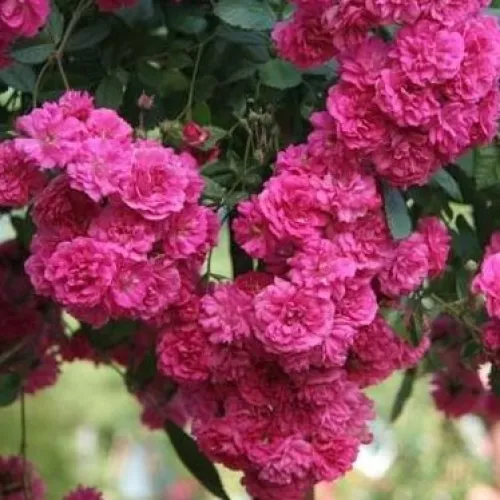
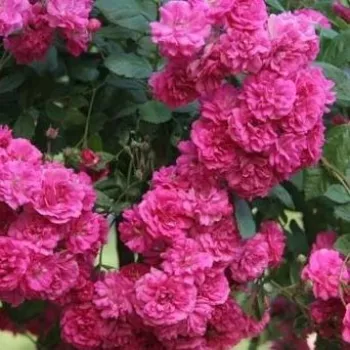
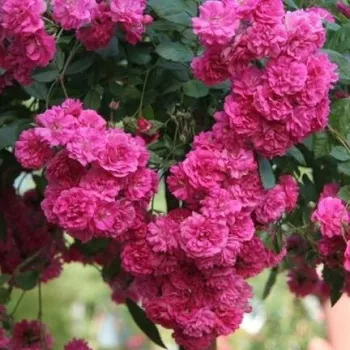
KESSI – carmine-pink groundcover rose - Schultheis & Bennett
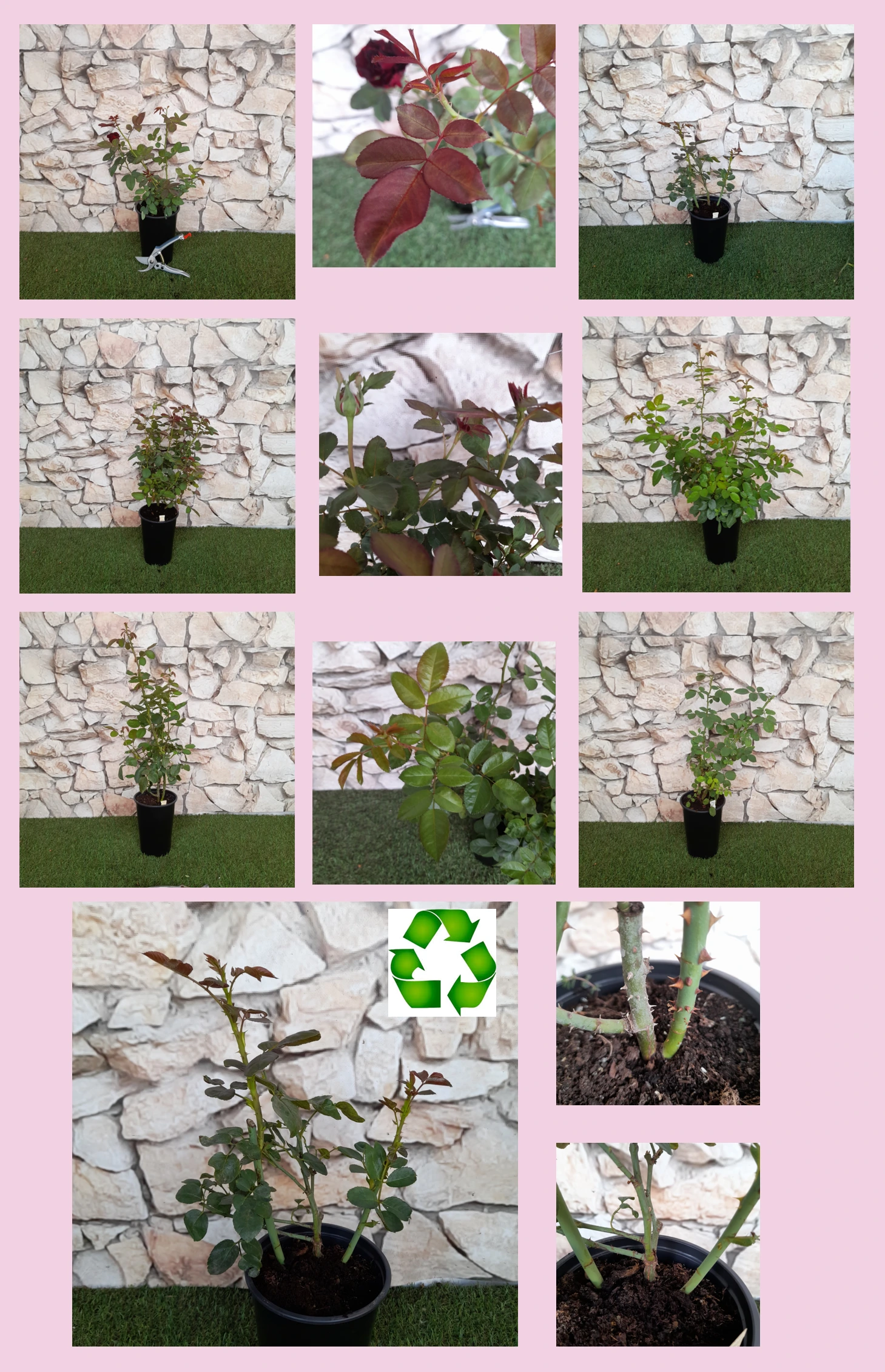
Cottage gardens and classic British front plots suit KESSI beautifully, with its generous carmine-pink clusters creating a carpet of colour along paths and edging small beds. This upright groundcover shrub forms a stable, medium-height hedge effect when planted in short runs, giving tidy structure without complicated pruning strategies. Own-root plants settle steadily, building roots in year one, stronger shoots in year two and full ornamental value by year three, so you can enjoy dependable flowering in an average family garden without advanced skills. Medium maintenance needs mean only occasional plant protection and light shaping, while its resilient framework stands up well to breezy, exposed spots and coastal winds. Hardy to typical UK winters and tolerant of urban terrace conditions in large containers, this rose adapts well whether you are starting a new border or refreshing an existing mixed planting. Over time its own-root character supports a long-lived, regenerating stand that remains visually balanced with modest care.
Usage options
| Target area | Reasoning |
|---|
| Front garden groundcover |
KESSI forms a broad, upright groundcover mass, ideal for softening the base of walls or fences while still letting windows and architecture remain visible. Its carmine-pink clusters repeat flower, keeping front gardens presentable with minimal shaping for beginners. |
| Low informal hedge |
Planted at around 90 cm intervals, this shrub creates a relaxed, flowering line to guide paths or define a drive without the heavy clipping of traditional hedges. Its moderately prickly stems give gentle deterrence along boundaries while staying manageable for families. |
| Mixed cottage border |
The saturated carmine-pink blooms blend easily with perennials such as Rudbeckia and tall verbenas, fitting classic cottage schemes. Medium height and moderately dense foliage let it sit mid-border, providing structure and colour continuity sought by style-conscious homeowners. |
| Slopes and bank planting |
The spreading, upright habit helps knit together sloping ground, where its branching framework offers visual cover and reduces the need for frequent interventions. Own-root resilience supports long-term coverage, suiting those planning ahead for a stable, low-fuss garden. |
| Urban terraces and patios |
In a 40–50 litre or larger container, KESSI gives vertical interest without overwhelming smaller spaces, and its repeat flowering keeps patios bright between other seasonal displays. Regular watering is usually the only key task, making it attractive for busy city-dwellers. |
| Paths, drives and edging runs |
The recommended planting distances allow you to create neat edging strips, where clusters of small double flowers soften hard paving and gravel. Medium self-cleaning means most spent blooms drop away, so only occasional tidying is needed by time-pressed owners. |
| Family play garden backdrop |
Height to around 160 cm makes an effective, rose-filled backdrop for lawns or play spaces while still allowing sightlines across the garden. The balanced structure and reliable repeat bloom bring colour over a long season, suiting visually driven parents. |
| Wind-exposed or coastal plots |
Its sturdy, upright framework and flexible canes cope well where gardens catch regular breezes, remaining presentable without staking. Once established, the own-root bush anchors firmly, helpful in open, wind-touched sites typical of British gardens near coastlines. |
Styling ideas
- Cottage ribbon – Thread KESSI in a loose line along a front path with Rudbeckia and pink verbenas for a relaxed, continuous border – ideal for lovers of traditional cottage approaches.
- Patio focus – Grow a single plant in a 50-litre terracotta pot, underplant with low herbs and seasonal bedding for a long-flowering terrace feature – perfect for balcony and patio gardeners.
- Soft boundary – Use staggered pairs along a drive at 90–120 cm to create an informal, flowering boundary that replaces hard fencing – suited to families wanting structure without severity.
- Sloping scheme – Combine on a gentle bank with ornamental grasses and white verbena for textural, low-maintenance cover – attractive for homeowners taming awkward level changes.
- Playground frame – Plant a loose arc behind a lawn or play area, mixing with shrubs of similar height for a colourful seasonal backdrop – useful for parents designing child-friendly gardens.
Technical cultivar profile
| Parameter | Data |
|---|
| Name and registration |
KESSI – carmine-pink groundcover rose, commercial type groundcover rose in the Ground cover collection; traded as Kessi Ground cover Schultheis & Bennett for garden use. |
| Origin and breeding |
Historic and modern lineage combined: bred by Gebrüder Schultheis in Germany (1999) and Henry Bennett in the UK (1882), introduced via Rosenhof Schultheis and Henry Bennett & Co. |
| Growth and structural characteristics |
Medium-tall upright shrub, around 100–160 cm high and 80–140 cm spread, moderately dense mid-green foliage with slight gloss, moderately prickly stems and a balanced, branching framework. |
| Flower morphology |
Small cupped double blooms with about 26–39 petals, borne in large clusters; remontant habit with a notably plentiful second flush maintaining decorative value over the season. |
| Colour data and phenology |
Bright carmine-pink flowers, buds dark and saturated, opening to uniform colour that gradually lightens to pale pink before fading; maintains moderate colour retention through typical flowering cycles. |
| Fragrance and aroma |
Fragrance character not fully documented; described as mild yet noticeable, offering a gentle rose scent without dominating seating areas or competing with strongly perfumed companions. |
| Hip characteristics |
Occasional hips only; spherical, about 12–18 mm in diameter, bright vivid red, adding discrete late-season interest without significantly affecting overall flowering performance. |
| Resistance and winter hardiness |
Hardy to approximately -26 to -23 °C (RHS H7, USDA 5b), resistant to powdery mildew and black spot, medium susceptibility to rust, with moderate tolerance of heat if watered in dry spells. |
| Horticultural recommendations |
Best in full sun with well-drained soil; spacing 90–180 cm depending on use, density about 1.0–1.2 plants/m², suited to borders, groundcover, slopes, containers, terraces and urban green spaces. |
KESSI – carmine-pink groundcover rose - Schultheis & Bennett offers repeat flowering, adaptable groundcover habit and long-lived own-root reliability, making it a thoughtful choice for relaxed, enduring family gardens.