KEITSUPIATSU – pink climbing rose – Keisei
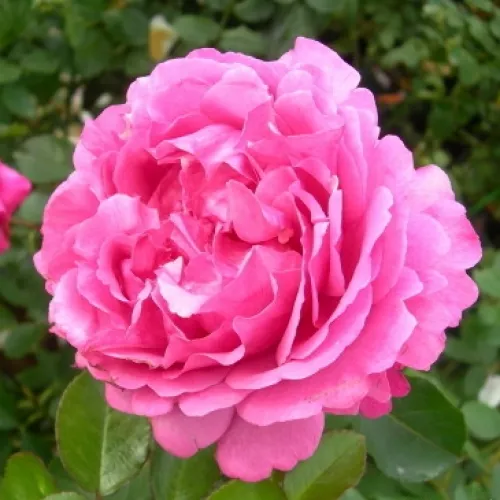
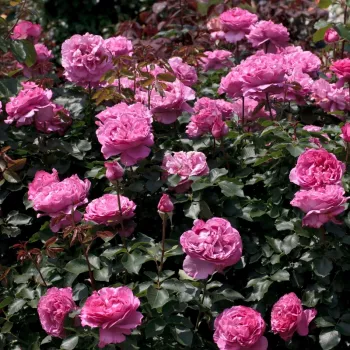
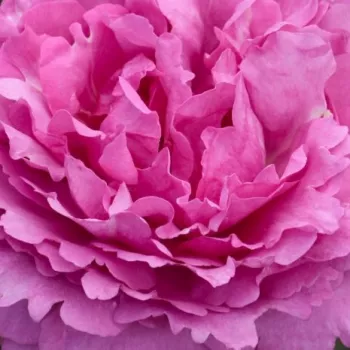
KEITSUPIATSU is a romantically styled climbing rose for arches, walls and cottage-style front gardens, combining fragrance with generous flowering and a classic cupped bloom form. Its very double, ruffled flowers open in succession through the season, giving you an elegant vertical display with colour that shifts from vivid fuchsia to soft, silvery pink. As an own-root plant, it develops steadily into a well-anchored, long-lived framework that is easy to keep in shape with light pruning rather than demanding specialist training. Over the first three years it focuses on roots, then shoots, then full ornamental value, so you can plan for reliable coverage of fences and pergolas without frequent replacement. Once established, it copes well with typical British summers, including breezier, wetter spells near the coast, provided the soil is reasonably drained and not waterlogged. Medium maintenance needs and good foliar health mean you can enjoy its strong scent and lush petals with only occasional plant protection, suiting busy gardeners seeking a rewarding yet manageable vertical feature. Ideal for pairing with perennials in a relaxed cottage style or for giving a smart, welcoming structure to an entrance where a dependable, long-term rose is desired.
Usage options
| Target area |
Reasoning |
| Pergola or rose arch near a seating area |
The very strong sweet-citrus perfume carries well through the garden, so training KEITSUPIATSU over a pergola or arch near where you sit maximises enjoyment of its scent and large, romantic blooms for beginners. |
| House wall or sunny fence in a family garden |
Its climbing habit and 160–260 cm height give reliable vertical coverage without becoming unmanageably tall, ideal for softening a wall or fence while keeping pruning straightforward for homeowners. |
| Classic cottage-style mixed border backdrop |
The deep pink, very double flowers and shifting silvery tones blend beautifully with cottage perennials, creating a relaxed yet structured backdrop that stays decorative over many years for cottage-gardeners. |
| Feature climber by the front door or entrance |
Remontant flowering with a generous second flush ensures repeated colour at the entrance, providing a welcoming focal point that looks cared for even with limited gardening time for busy-owners. |
| Small group planting along a boundary |
Planting at 140–150 cm intervals forms a loose flowering screen; own-root plants gradually create a balanced, durable stand that responds well to simple annual pruning for planners. |
| Partially shaded side passage or courtyard |
Suitability for partial shade allows use where many roses struggle, such as side returns or courtyards with only part-day sun, still giving lush blooms and scent for urban-gardeners. |
| Large container on patio or roof terrace |
In a 40–50 litre or larger container with good drainage, its controlled height and repeat flowering provide a long-season vertical accent that is easy to monitor and water for container-owners. |
| Wind-exposed or coastal-influenced gardens |
Moderate height, good leaf health and sound anchoring make it suitable for sites that get regular rain and wind, as long as soil drains freely and is not constantly waterlogged for coastal-gardeners. |
Styling ideas
- Romantic archway – Train KEITSUPIATSU over a simple metal or wooden arch, underplant with foxgloves and airy grasses for a soft, fragrant tunnel – ideal for cottage-garden romantics.
- Cottage fence run – Space plants along a sunny fence, weave stems horizontally, and mix with delphiniums and hardy geraniums for a classic, flower-laden boundary – suited to traditional front-garden owners.
- Courtyard column – Grow in a 50 litre container with a slim obelisk, pairing with lavender and thyme at the base for scent and structure – perfect for compact patio and balcony gardeners.
- Entrance statement – Flank a doorway with two plants on discreet trellis panels, adding box balls and seasonal pots for a smart yet romantic welcome – appealing to style-conscious homeowners.
- Long-view focus – Place as a tall accent at the end of a path, combining its deep pink blooms with white roses and blue caryopteris for a composed, distant focal point – designed for planned family gardens.
Technical cultivar profile
| Parameter |
Data |
| Name and registration |
Climbing hybrid tea from the Romantica collection; registered as KEItsupiatsu, marketed as KEITSUPIATSU Romantica KEItsupiatsu, a large-flowered climbing rose for ornamental garden use. |
| Origin and breeding |
Sport of ‘Yves Piaget’ bred by Keisei Rose Nursery in Japan, 2005; introduced by Meilland Richardier in 2016, combining Romantica styling with a climbing habit. |
| Growth and structural characteristics |
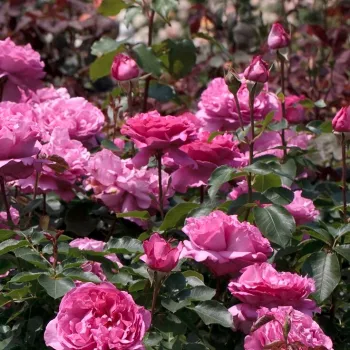
Climbing rose reaching about 160–260 cm high and 120–200 cm wide, with moderately dense, mid-green, slightly glossy foliage and moderate prickliness on vigorous, trainable canes. |
| Flower morphology |
Very double, cupped blooms with over 40 petals, usually borne singly on stems; extra-large flowers around and above 3.5 inches, remontant with a generous second flush in season. |
| Colour data and phenology |
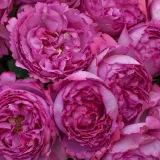
Vibrant deep pink with warm fuchsia tone; RHS 57B outer, 58C inner; buds dark raspberry, opening vivid then fading to powdery, silvery pink, lightening further in strong sun over time. |
| Fragrance and aroma |
Very strongly scented rose with a pronounced sweet-citrus character overlaying a rich, classic rose note; perfume is noticeable from a distance around well-established, flowering plants. |
| Hip characteristics |
Rose hips form only sparsely because of the very double blooms; when present they are small, spherical, red hips around 9–15 mm in diameter, adding discreet seasonal interest. |
| Resistance and winter hardiness |
Moderate overall disease resistance; resistant to powdery mildew and black spot, moderately resistant to rust; winter hardy to about −21 to −18 °C, equivalent to RHS H7, USDA zone 6b. |
| Horticultural recommendations |
Best on pergolas, fences, walls or as a specimen climber; plant 140–150 cm apart, 250 cm for solos, allow occasional spraying, regular watering in dry spells and light training and pruning. |
KEITSUPIATSU offers powerful fragrance, romantic repeat flowering and manageable vertical coverage as an own-root climber that matures into a durable framework, making it a reassuring choice if you want a long-lived, scented feature rose.