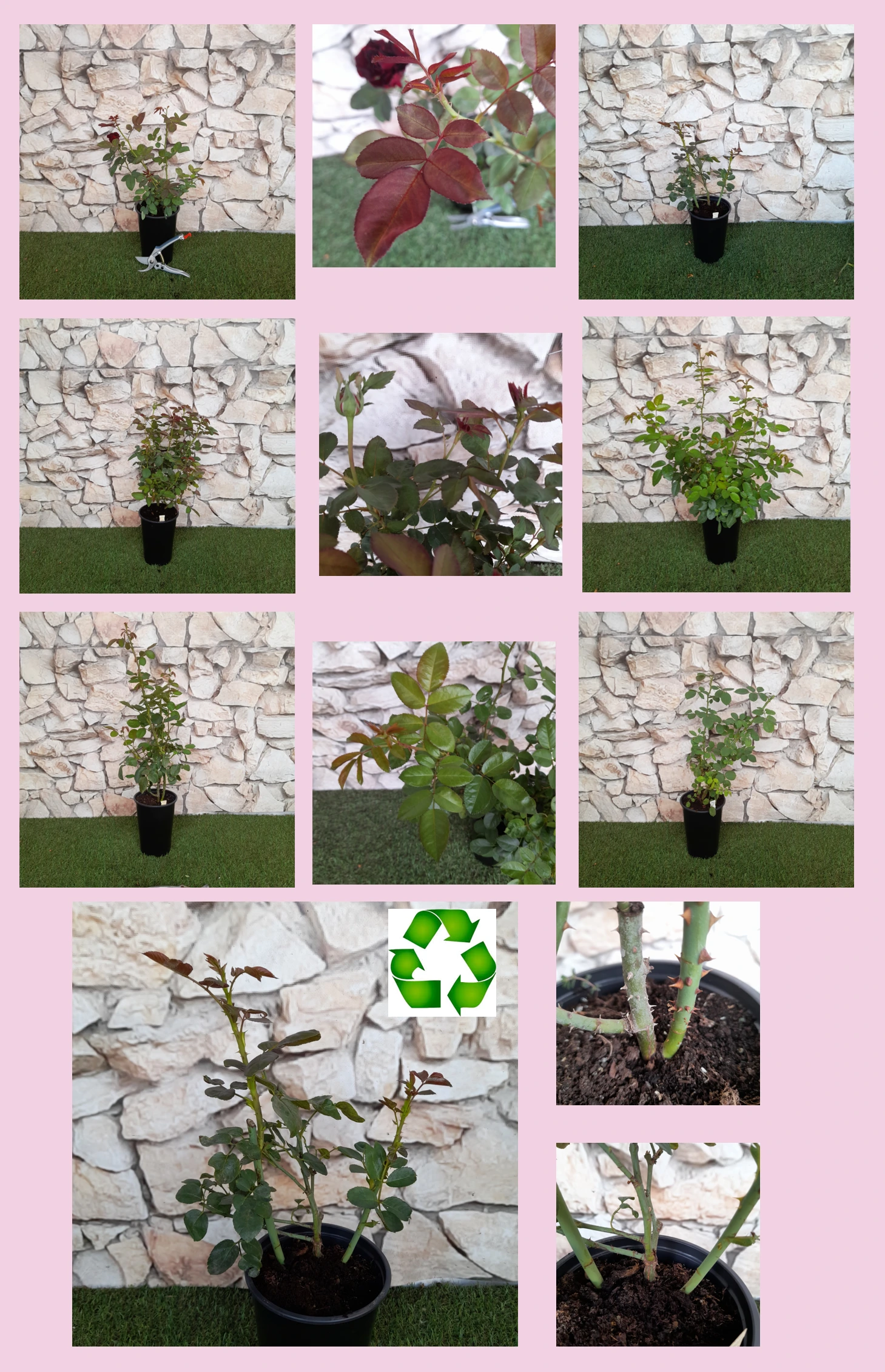
KAZANLIK – historic pink Damask rose
This celebrated Damask rose combines heritage charm with dependable structure, giving you a statuesque, flowering shrub that anchors classic cottage-style planting year after year. Its richly perfumed, oil‑rose fragrance is powerful enough to appreciate from a distance, ideal beside a path or near a favourite seating area. Once‑a‑year summer flowering creates a spectacular flush of medium, flat, double blooms in warm mid‑pink that soften to pale, creamy‑edged tones as they age, evoking traditional Bulgarian rose‑oil fields. Grown on its own roots, it settles gradually into your soil and climate for long‑term reliability, forming a dense, bushy hedge or specimen with matt mid‑green foliage that suits period homes. With sensible watering through longer dry spells to cope well with typical British summers, this rose offers medium‑care gardening that rewards modest attention with enduring beauty and a strong, traditional Damask character.
Usage options
| Target area |
Reasoning |
| Front-garden focal shrub |
Use as a tall, free-standing shrub near the house where its once-a-year, abundant mid-pink bloom creates a memorable summer highlight. The strong Damask scent is noticeable as you pass, offering classic appeal for the beginner homeowner |
| Historic-style hedge |
Planted at hedge spacing, its dense, bushy habit and thorny stems build a traditional living boundary that looks authentic in period or cottage settings while remaining relatively straightforward to maintain for the busy gardener |
| Background rose for borders |
Its height and structural presence make an excellent backdrop in mixed borders, with matt mid-green foliage supporting perennials in front and giving the bed a permanent frame that suits the design-conscious owner |
| Scented seating area |
Position near a bench or terrace where the powerful, classic Damask perfume can be enjoyed without needing close inspection, creating a simple, high-impact sensory feature for the fragrance lover |
| Low-input, long-term planting |
Once established on its own roots, it forms a durable, well-balanced shrub that can persist and regenerate over the years with only moderate care, suiting those who value permanence, such as the long-term planner |
| Feature in rose and cottage beds |
Group 1–3 plants in a small bed to create a bold historic centrepiece, then weave in traditional cottage companions for an easy, coherent scheme that flatters the style-focused but time-poor cottage enthusiast |
| Raised beds on heavier soils |
In gardens with heavier clay, a raised or well-drained bed helps roots establish while the shrub still offers stature and a single, dramatic flowering; well suited to the practical yet aesthetic urban gardener |
| Semi-formal park and large garden settings |
In larger plots, its combination of bushy growth, strong seasonal display and classic Damask character allows repeated use along paths or in loose avenues without complex upkeep, appealing to the informal designer |
Styling ideas
- Cottage-HEDGE – line a path or front boundary with Kazanlik at hedge spacing, underplanting with catmint and low geraniums for a soft-edged, traditional screen – ideal for lovers of classic cottage frontage
- ROSE-ALCOVE – plant two or three shrubs to flank a simple bench, with lavender cotton and low grasses to frame the intense fragrance – suited to those creating a scented retreat
- HERITAGE-BED – combine Kazanlik with old-style perennials such as foxgloves and verbena for a nostalgic, historic border – perfect for admirers of period garden character
- PARK-GROUP – use loose groups in lawns or larger beds to give structure and seasonal focus without formal bedding schemes – for gardeners wanting impact with moderate maintenance
- SCENTED-AXIS – place a row along a main garden vista so its summer flush and perfume mark the view, backed by simple shrubs – attractive to homeowners planning a long-term focal line
Technical cultivar profile
| Characteristic |
Data |
| Name and registration |
Kazanlik – historic Damask rose, old historic (Dowager) exhibition class; commercial historic rose type, unregistered cultivar widely known under this traditional trade name. |
| Origin and breeding |
Very old Damask rose with complex Rosa gallica parentage; believed known since the early 17th century, widely distributed in Europe and introduced commercially by Dr Georg Dieck in Germany in 1889. |
| Growth and structural characteristics |
Strong, bushy shrub 140–200 cm high and 120–180 cm wide with dense, matt mid-green foliage and plentiful prickles, forming a solid, space-filling structure in borders and hedges over time. |
| Flower morphology |
Medium-sized, flat, double flowers with 26–39 petals carried in clusters on the ends of shoots; once-flowering in early summer, with most blooms needing light deadheading as they do not self-clean well. |
| Colour data and phenology |
Mid-toned warm pink flowers (RHS 58A, 62B) open vibrant then fade to paler pink with creamy edges before petal drop; colour impact is strongest at peak flush, with noticeable fading towards the end. |
| Fragrance and aroma |
Exceptionally strong, classic Damask perfume reminiscent of traditional rose oil; the scent is clearly detectable from a distance in still air, making it highly suitable for scented gardens and seating areas. |
| Hip characteristics |
Hip set is generally sparse due to the double flower form; where produced, ellipsoidal orange-red hips around 12–20 mm may appear, adding modest late-season interest without dominating the shrub. |
| Resistance and winter hardiness |
Hardy to about –21 °C (RHS H7, USDA 6b) with moderate resistance to powdery mildew, black spot and rust; benefits from balanced feeding, airflow and occasional plant protection in humid seasons. |
| Horticultural recommendations |
Best in full sun with well-drained soil; allow space for mature size, water during extended dry spells, and prune lightly after flowering to shape. Own-root plants suit long-lived hedges, beds and specimen uses. |
Kazanlik Historic rose offers powerful historic fragrance, structural height and durable own-root growth for long-lived hedges or focal shrubs, making it a thoughtful choice for gardeners planning a lasting feature.