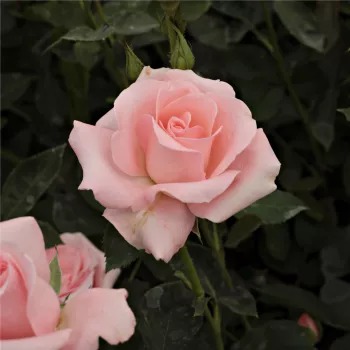
KATRIN – orange-pink hybrid tea rose – Berger
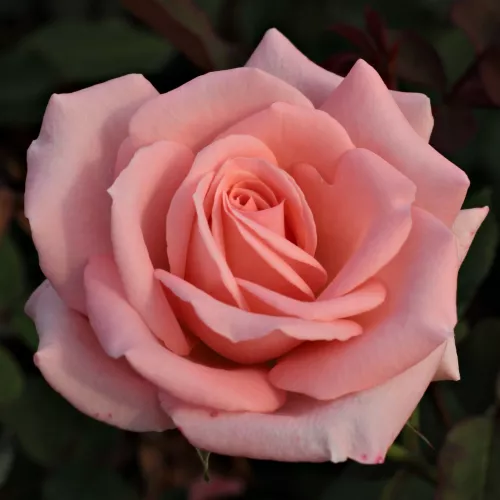
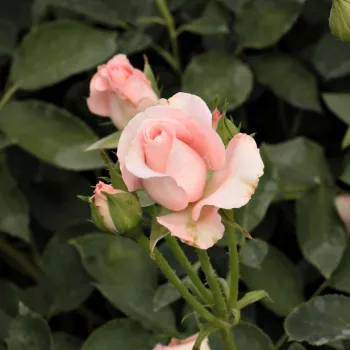
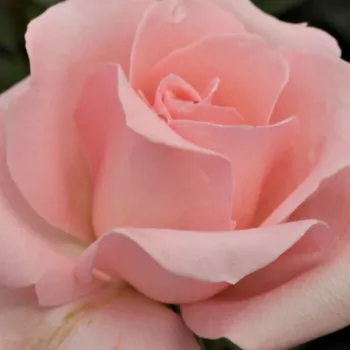
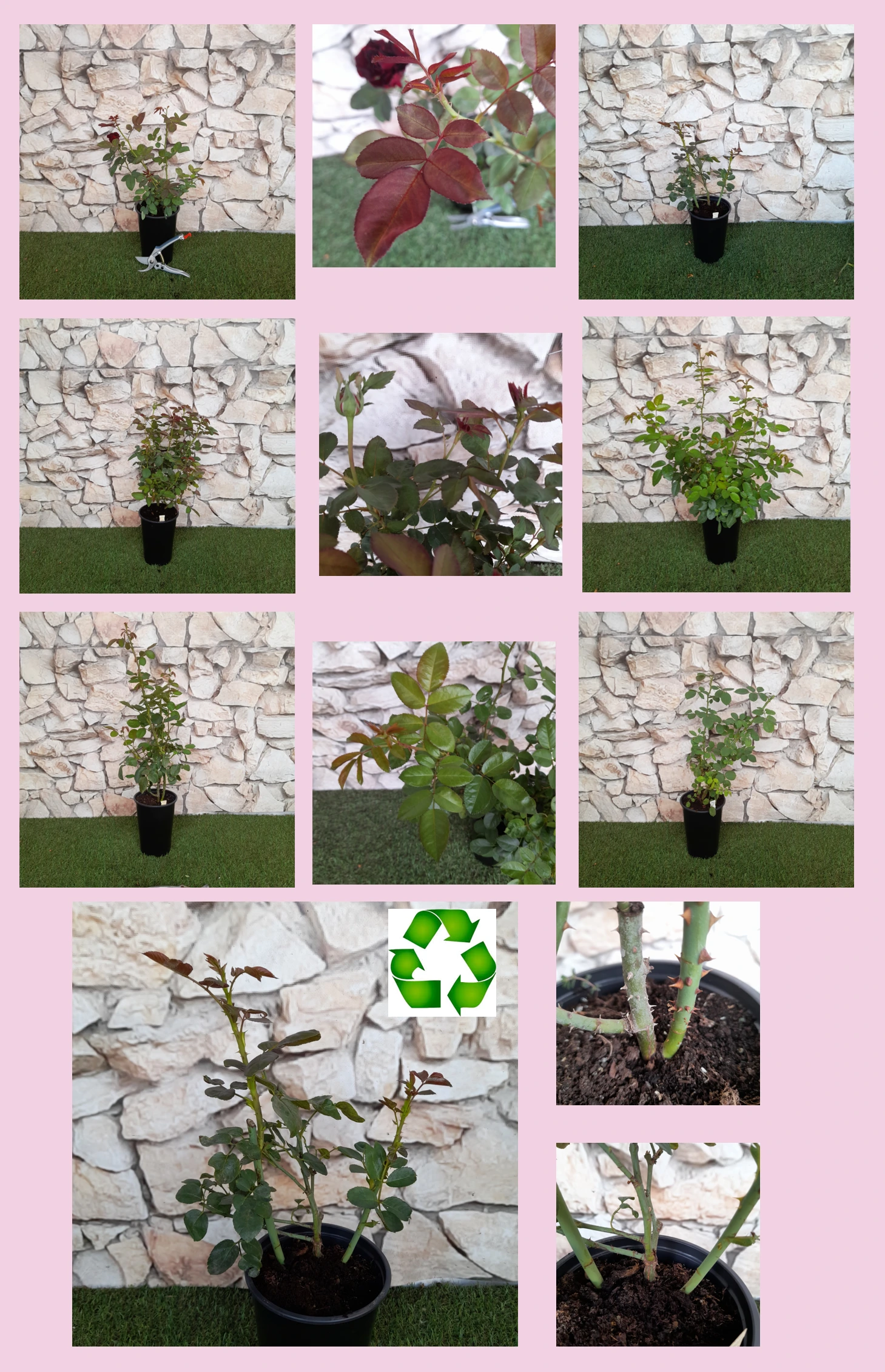
Elegant blooms in a warm orange-pink glide from rich bud to soft peach, creating a refined focal point for small beds, front gardens and around-the-house planting while coping well with typical British rain and wind in exposed spots. This bushy hybrid tea offers compact height for easy placing, with dense, dark green foliage that stays attractively clothed from base to tip. Its reliably remontant flowering brings repeat flushes through the season, giving you a steady supply of high-centred, exhibition-style blooms for cutting. Disease-resistant plants on their own roots are bred to settle in and give long service, quietly building strength below ground for dependable growth above. With low routine maintenance needs and simple pruning options, it is well suited to busy or less-experienced gardeners who want traditional rose beauty without fuss. In the first year the roots establish, the second year the framework fills out, and by the third year you see its full ornamental value. Its slightly glossy foliage and neat stature make it naturally tidy in mixed cottage-style borders or as a single specimen by the path. The generous succession of cutting stems means you can enjoy flowers indoors as well as in the garden, while occasional small hips add a gentle, seasonal interest at the end of the year.
Usage options
| Target area | Reasoning |
|---|
| Front garden focal point |
The warm orange-pink, high-centred blooms give a classic, welcoming look at the front of the house without demanding complex care. Its compact, bushy habit keeps paths and drives clear, making it ideal where space is limited and neatness matters for style-conscious beginners. |
| Small border near the house |
The modest height and 40–60 cm spread fit easily into narrow beds along walls, fences or patios, delivering colour at eye level without overshadowing other plants. This tidy structure suits homeowners wanting a structured but soft-edged planting for everyday enjoyment. |
| Cottage-style mixed border |
Its dense, dark green foliage and repeat flowering provide a steady vertical accent among perennials, herbs and low shrubs. The orange-pink tones blend gracefully with lavenders and soft blues, helping you recreate a relaxed cottage feel in a typical family garden for classic-style enthusiasts. |
| Low-maintenance rose group (1–5 plants) |
Planted in a small group, the uniform, bushy growth and reliable remontant flowering create a coherent block of colour with little intervention beyond basic feeding and watering. Own-root plants develop into stable, long-lived bushes that suit busy urban gardeners seeking simplicity. |
| Cutting and exhibition corner |
High-centred, pointed buds on upright stems lend themselves to cutting for vases or hobby exhibition use. The medium-sized, double blooms hold their form well as they open and soften in colour, giving you elegant stems without needing specialist greenhouse or intensive regimes, ideal for home florists. |
| Family garden feature by a seating area |
The very weak fragrance means it will not overwhelm close seating, while the steady sequence of attractive blooms provides visual interest throughout the season. Its moderate prickliness is manageable in everyday use, making it a comfortable choice near benches for family use. |
| Exposed or breezy suburban plots |
The sturdy bushy framework and balanced height help the plant stand up to blustery weather common in many British gardens, reducing breakage and keeping the display intact. This resilience is reassuring if your garden is open or in a windy street setting for practical homeowners. |
| Raised beds on heavier soils |
In raised or well-drained beds over heavier clays, own-root plants gradually adapt and form a strong, long-lasting framework, rewarding patient gardeners as the rose moves from establishment to full display over several seasons. This steady development particularly benefits thoughtful planners. |
Styling ideas
- Front-door welcome – Plant a pair of KATRIN roses in matching positions either side of a path, underplanted with low lavender for scent and edging – ideal for homeowners seeking a tidy, classic arrival view.
- Cottage blend – Combine with Agastache ‘Blue Fortune’, hardy geraniums and soft grasses so the warm orange-pink flowers weave through looser perennials – perfect for lovers of relaxed cottage and informal borders.
- Cutting row – Line a short, sunny bed with 3–5 plants at recommended spacing to create a simple cutting strip for regular vases indoors – suited to hobby florists wanting easy, reliable stems.
- Compact corner – Use one or two bushes in a small triangular bed near a patio, framed with low box honeysuckle or evergreen edging – good for busy gardeners needing structure with minimal seasonal work.
- Container accent – Grow a single plant in a 40–50 litre pot with free-draining compost and light underplanting of seasonal bedding – best for urban balconies or paved gardens where border space is limited.
Technical cultivar profile
| Characteristic | Data |
|---|
| Name and registration |
Hybrid tea rose marketed as KATRIN – orange-pink hybrid tea rose – Berger, belonging to the Hybrid Tea rose commercial group; registered cultivar name not recorded in available sources. |
| Origin and breeding |
Bred by Anni Berger at GPG Roter Oktober, Bad Langensalza, former GDR, with unknown parentage; introduced in 1972 in Germany and later distributed more widely in European garden markets. |
| Growth and structural characteristics |
Bushy habit, typically 55–85 cm high and 40–60 cm wide, with dense, slightly glossy, dark green foliage and moderate prickliness; forms a compact shrub suitable for beds, borders and small specimen plantings. |
| Flower morphology |
Hybrid tea flowers, double with 26–39 petals, medium sized (around 4–7 cm), mainly solitary on stems, with high-centred, pointed-budded form characteristic of exhibition-type roses, strongly remontant through the season. |
| Colour data and phenology |
Warm orange-pink blooms (RHS 36A outer, 36B inner) opening from deep buds, then softening through mid orange-pink to pale peach-pink before fading; colour retention medium, with a smooth tonal transition during ageing. |
| Fragrance and aroma |
Fragrance is very weak and barely perceptible, described as a light rose scent at most; selected primarily for ornamental flower form and colour rather than for strong perfume in the garden or for cutting. |
| Hip characteristics |
Occasional, small, egg-shaped hips may form, about 10–14 mm across, coloured orange-red and appearing mainly in late season; hips add a modest decorative element rather than being a primary feature. |
| Resistance and winter hardiness |
Good disease resistance, with resistance reported to powdery mildew, black spot and rust; hardy to approximately –21 to –18 °C (RHS H7, USDA 6b, Swedish zone 3), providing reliable winter survival in most UK regions. |
| Horticultural recommendations |
Best in full sun with well-drained soil; recommended spacing 30–55 cm depending on use, allowing 8–9 plants per m² for massing; low maintenance needs, regular deadheading and light pruning keep plants flowering freely. |
KATRIN – orange-pink hybrid tea rose – Berger offers compact, repeat flowering, disease-resistant beauty on long-lived own-root plants for easy-care, enduring structure in a family garden, making it a thoughtful choice when planning your next rose.