Joyfulness hybrid tea rose – peach-apricot elegance for easy family gardens
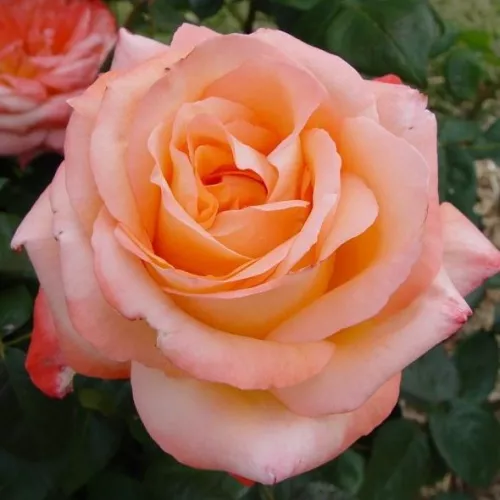
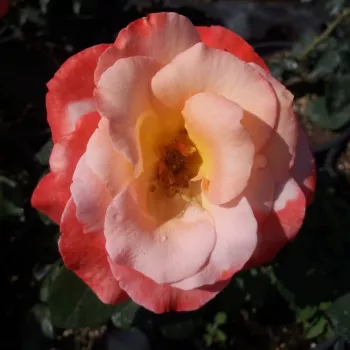
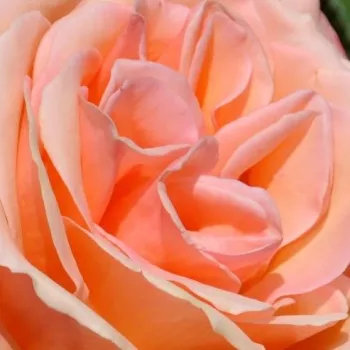
Joyfulness brings a quietly luxurious, apricot glow to family gardens, combining classic hybrid tea form with modern, easy-care performance. Its upright, well-spaced habit makes it simple to place in small borders or front gardens, while the medium-sized, cupped blooms open one by one on strong stems, ideal both for viewing outdoors and for cutting. The medium, fruity fragrance is noticeable without overwhelming seating areas, and the sparsely thorned canes make everyday upkeep and picking blooms more comfortable. On its own roots, this rose settles in steadily and repays basic care with a long, reliable garden life, coping well even where soils are heavy and benefit from improved drainage in raised beds. With moderate maintenance needs, occasional pest and disease checks are sufficient to keep its ornamental impact high, while its remontant nature rewards you with an abundant second flush. Expect a natural development rhythm – strong roots in the first year, fuller shoots in the second, and its complete, mature presence from around the third season onward.
Usage options
| Target area |
Reasoning |
| Front garden focal bush near the entrance |
The upright, moderate-height habit and refined hybrid tea blooms create a welcoming focal point without overpowering a small space. Reliable repeat flowering and a tidy outline mean you need only basic deadheading and seasonal pruning to maintain a smart look, suiting time-pressed, style-conscious beginners. |
| Small mixed border with perennials and grasses |
Joyfulness slots easily into cottage-style or informal borders, its pastel peach flowers blending softly with blues, whites and silvery foliage. Moderate foliage density leaves room for underplanting, and own-root vigour ensures it gradually forms a stable, long-lived framework for the border, ideal for planning-minded homeowners. |
| Cutting patch or dual-purpose border |
Each long, straight stem typically carries a single, cupped flower, perfect for vases and exhibition-style stems. Medium-sized blooms last well when cut in bud, while the fruity fragrance adds value indoors. This lets a single planting area provide both garden display and house flowers for creatively inclined urbanites. |
| Solitary specimen in a lawn or gravel bed |
Planted alone with generous spacing, the rounded, upright bush can be appreciated from all sides, showcasing its colour changes from warm buds to paler, straw-tinged petals. The own-root structure supports a long lifespan, making it a sound choice where you want a feature that matures gracefully for patient garden planners. |
| Low informal hedge or row |
At typical spacings for hedging, plants knit into a loose, flowering line that defines paths or driveways without becoming visually heavy. Moderate disease resistance and routine deadheading keep the hedge looking refined, making it suitable for those wanting structure and colour without complex clipping, particularly busy garden owners. |
| Standard rose for terrace or front door accents |
Grafted as a standard, Joyfulness offers a compact crown of repeat-flowering, scented blooms at eye level, ideal beside a front door or terrace seating. Its remontant habit and manageable pruning needs simplify seasonal care, appealing to gardeners seeking strong impact from a single statement plant, especially style-focused novices. |
| Large container on patio or balcony (40–50 litres minimum) |
In a deep, 40–50 litre container with good drainage, this variety performs well for several years, provided watering is regular during dry spells and feeding is consistent. The own-root system anchors securely and adapts to pot conditions, a reassuring option for paved or courtyard spaces favoured by compact-garden residents. |
| Border planting in heavier clay soils with improved structure |
Joyfulness responds well where clay has been opened with compost and grit, especially if slightly raised beds are used to enhance excess-moisture run-off and root aeration, supporting steady growth and long-term health; this helps reduce uncertainty for those gardening on challenging ground, notably cautious garden starters. |
Styling ideas
- Soft-entrance trio – Plant three Joyfulness roses near the front path with low Carex morrowii and white campanulas for a calm, welcoming palette – ideal for homeowners seeking a polished yet gentle first impression.
- Cottage-blend strip – Combine Joyfulness with Stachys byzantina and traditional catmint along a sunny fence to evoke a relaxed cottage border – perfect for lovers of informal, romantic front gardens.
- Peach-cutting corner – Dedicate a sunny bed to Joyfulness in rows, edged with low lavender, to provide a steady supply of scented cut blooms – suited to creative gardeners who enjoy arranging flowers indoors.
- Patio-showpiece pot – Grow one Joyfulness in a 50-litre terracotta container with trailing thyme at the rim to soften the edge – a strong choice for balcony or courtyard gardeners wanting maximum colour in minimal space.
- Refined-lawn accent – Set a solitary Joyfulness in a small gravel circle within the lawn, underplanted with miniature euonymus for year-round structure – appealing to those who value a simple but elegant focal point.
Technical cultivar profile
| Parameter |
Data |
| Name and registration |
Hybrid tea rose; registered as TANsinnroh, marketed as Joyfulness Hybrid tea rose TANsinnroh; exhibition hybrid tea and cut-flower type with verified cultivar authenticity for garden use. |
| Origin and breeding |
Bred in Germany by Mathias Tantau Jr. (Rosen Tantau) around 1961; registered with the American Rose Society in 1984 and introduced commercially after 1984 as a garden and cutting variety. |
| Growth and structural characteristics |
Upright bush reaching approximately 120–160 cm in height and 100–140 cm in spread, with moderately dense, dark green, slightly glossy foliage and sparsely thorned stems that simplify handling and pruning. |
| Flower morphology |
Double, medium-high-centred, cupped blooms with 26–39 petals and generally solitary presentation; flowers are small by hybrid tea standards (around 0.5–1.5 inches), providing a refined, proportionate garden presence. |
| Colour data and phenology |
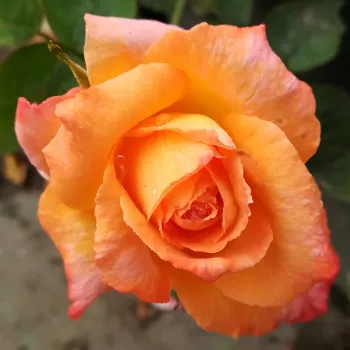
Soft peachy-yellow base with pale pink tones; ARS code ab, RHS 23C outer and 22D inner; buds are warm peach, maturing to pastel peach with salmon tints and fading towards creamy straw-yellow margins over time. |
| Fragrance and aroma |
Clearly noticeable, medium-strength scent with a fresh, fruity character; fragrance is evident at close range around paths, seating or cutting gardens without dominating mixed borders or small enclosed spaces. |
| Hip characteristics |
Hip set tends to be limited when regularly deadheaded; where present, hips are red, ellipsoid, roughly 12–16 mm in diameter, and mainly of incidental ornamental interest rather than a primary decorative feature. |
| Resistance and winter hardiness |
Hardy to approximately −21 to −18 °C (RHS H7, USDA 6b, Swedish Zone 3); resistant to powdery mildew and black spot, with moderate susceptibility to rust; performs best with regular watering in prolonged heat. |
| Horticultural recommendations |
Prefers sunny sites; spacing from 95–180 cm depending on hedge, border or specimen use; moderate maintenance with occasional pest and disease control and routine deadheading to sustain repeat flowering. |
Joyfulness Hybrid tea rose TANsinnroh offers pastel peach blooms, reliable repeat flowering and a long-lived own-root structure that suits both borders and containers, making it a considered choice for those planning a graceful, enduring garden feature.