JOY OF LIFE – red-and-white hybrid tea rose - Evers
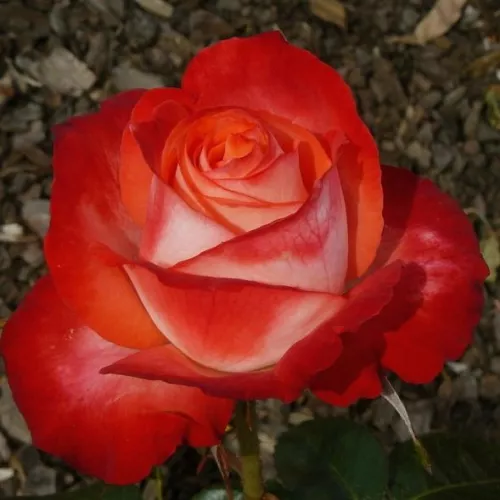
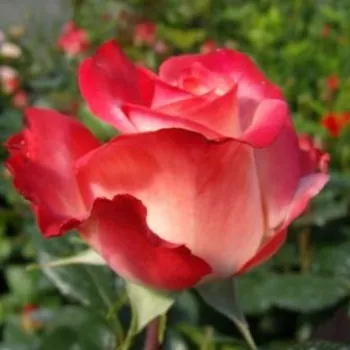
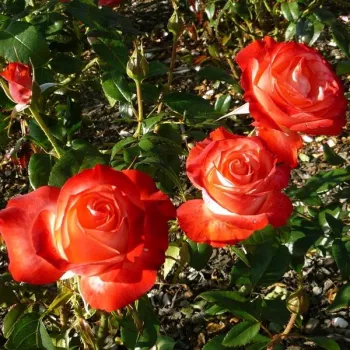
Elegant borders and nostalgic front gardens gain a refined focus with JOY OF LIFE, a tall hybrid tea rose combining cream-white petals and carmine-red edging in classic, high‑centred blooms. Its remontant flowering habit provides generous flushes through the season, while strong disease resistance keeps the foliage healthy with little intervention. Own‑root vigour supports a long garden life and dependable recovery after harsher winters, giving you a stable planting once it has settled. Think in terms of roots in year one, framework in year two and full ornamental impact by year three for a mature, reliable shrub. The upright, well-furnished growth works as a specimen or repeat-cutting source, and copes well with typical British conditions, even in exposed gardens where good air movement and wind can otherwise challenge roses. A strong fragrance completes the picture, so you can step outside, cut a few long-stemmed flowers and enjoy the lasting pleasure of this nostalgic, easy-care rose.
Usage options
| Target area |
Reasoning |
| Front garden specimen by the path |
The tall, upright habit and refined hybrid tea blooms create a strong focal point beside a path or doorway, echoing classic British front gardens while remaining easy to manage with light annual pruning and simple feeding – ideal for the style-conscious beginner |
| Small group in a mixed border |
Planting three to five JOY OF LIFE roses at the recommended spacing gives a coherent block of colour, with cream and carmine flowers rising above perennials and low shrubs; the own‑root durability supports a long-lived, stable display – well suited to the family-garden planner |
| Cutting corner for home bouquets |
The hybrid tea flower form on long, straight stems makes it excellent for cutting, and its strong fragrance adds value indoors; remontant flowering means you can harvest blooms repeatedly through summer without leaving the plant bare – perfect for the home bouquet enthusiast |
| Low-maintenance rose bed near the house |
Robust resistance to black spot, mildew and rust keeps maintenance low, even in humid or wetter regions, so a modest bed close to windows or a terrace stays attractive with routine watering and basic feeding, rather than specialist care – reassuring for the time-poor gardener |
| Long-term feature in a family garden |
As an own‑root rose, JOY OF LIFE forms its permanent structure in situ and can regenerate from the base if damaged, supporting a planting that matures and remains balanced over many seasons with straightforward pruning and renewal – a sound choice for the long-term homeowner |
| Raised bed on heavier soils |
In raised or improved beds over heavy clay, the dense foliage and strong framework anchor the planting visually, while reliable flowering rewards basic care; in breezier sites this structure copes well with regular air movement and coastal winds – attractive for the challenging-site gardener |
| Large container on patio or balcony |
Its upright, vertical habit suits a single large container of at least 40–50 litres, where the root room supports healthy top growth and repeat flowering; this allows strong impact in compact spaces with just seasonal feeding and consistent watering – convenient for the urban balcony owner |
| Cottage-style composition with perennials |
JOy OF LIFE’s bicolour blooms pair beautifully with soft mounds of lady’s mantle, silver artemisia and blue ceanothus, creating a relaxed cottage feel while its good disease resistance and reliable remontancy keep the scheme flowering without complex routines – appealing to the cottage-border lover |
Styling ideas
- Doorstep Focus – Place a single JOY OF LIFE near the front door, underplanted with Alchemilla mollis, for a welcoming, scented entrance – ideal for those wanting instant charm without complex planting plans.
- Cottage Mix – Combine JOY OF LIFE with dwarf silver artemisia and soft pink perennials in a loose border to highlight its bicolour blooms – suited to gardeners seeking an informal, romantic look.
- Elegant Row – Plant a short row along a path at 55–65 cm spacing to create a low, formal edge that also supplies cut flowers – good for homeowners who like structured lines but need easy care.
- Patio Statement – Grow one plant in a 50‑litre terracotta pot with trailing groundcovers at the base to showcase the tall stems and fragrance on a terrace – perfect for small-space gardeners.
- Colour Anchor – Use three JOY OF LIFE roses as a repeating motif through a mixed bed to tie together varied perennials while relying on their disease resistance for a tidy look – ideal for busy family gardens.
Technical cultivar profile
| Parameter |
Data |
| Name and registration |
Hybrid tea rose from the Nostalgic collection; registered as TANmixa, marketed as Joy of Life Nostalgic TANmixa, with ARS exhibition name Maxim; cut-flower capable garden variety. |
| Origin and breeding |
Bred by Hans Jürgen Evers for Rosen Tantau, Uetersen, Germany; introduced and registered in 1993, with parentage not publicly documented but selected for garden and exhibition performance. |
| Growth and structural characteristics |
Strong, upright bush 130–170 cm tall and 60–80 cm wide, with dense, mid‑green glossy foliage and moderate prickles; forms a vertical accent suited to borders, hedging runs and specimen planting. |
| Flower morphology |
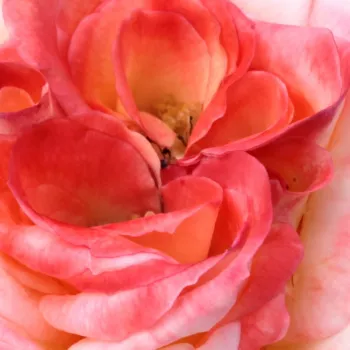
Double, high‑centred hybrid tea blooms with 26–39 petals, medium flower size on mainly solitary stems, pointed buds and classic cut‑rose form; remontant with abundant second flushes in season. |
| Colour data and phenology |
Bicolour red‑white flowers: deep carmine red buds open to cream‑white centres edged vivid red; red margins soften as blooms age, with white areas turning ivory; overall moderate colour fading in sun. |
| Fragrance and aroma |
Strongly scented hybrid tea type rose; specific fragrance notes are undocumented, but the variety is noted for a full, noticeable perfume suitable for garden enjoyment and indoor cut-flower use. |
| Hip characteristics |
Rosehip production generally low; when formed, hips are small, spherical, 10–14 mm in diameter and orange‑red, with limited ornamental or wildlife value compared with dedicated hip-bearing shrub roses. |
| Resistance and winter hardiness |
Good overall disease resistance, rated resistant to black spot, powdery mildew and rust; hardy to approximately −21 to −18 °C (USDA 6b, RHS H7, Swedish zone 3) with normal garden protection. |
| Horticultural recommendations |
Performs best in full sun with regular watering during prolonged dry spells; spacing 55–100 cm depending on use; suitable for borders, specimens and cutting, with generally low maintenance demands. |
JOY OF LIFE Nostalgic TANmixa offers fragrant, repeat-flowering hybrid tea blooms on a long-lived, disease-resilient own-root plant, making it a considered choice for those planning a reliable, characterful rose feature.