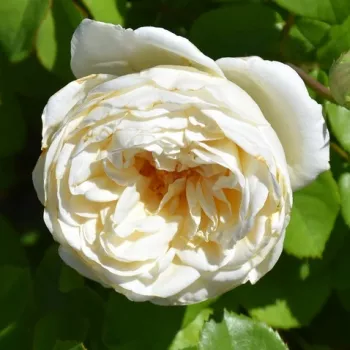
JOLANDIA – light yellow bedding floribunda rose - Vissers
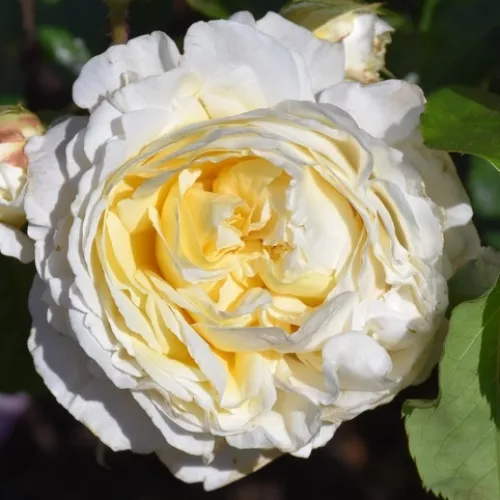
Softly glowing clusters of light-yellow blooms make Jolandia an inviting choice for compact British front gardens where you want colourful impact without demanding care. This upright, bushy floribunda builds a dense, neat structure that holds its shape in exposed spots, while its strong, fruity fragrance adds a refined note by paths, drives and seating areas. Bred for repeat performance, it offers generous flowering in flushes from early summer onwards, with each very double, cup-shaped bloom lasting well on the plant. As an own-root rose in a 2-litre container, it settles in quickly and then focuses on root development, followed by vigorous top growth and, from its third season, a full, stable display. Well-suited to typical UK conditions, it copes reliably with wetter spells and breezier aspects through thoughtful anchoring of its compact frame. Its medium maintenance needs are straightforward: a light annual prune, feeding in spring and occasional disease checks are usually sufficient. Use it to bring continuity of colour to beds and borders, or repeat plant for a low, tidy hedge along a path. In larger pots of at least 40–50 litres it creates a long-lived patio feature that works beautifully alongside cottage-style perennials and ornamental herbs.
Usage options
| Target area |
Reasoning |
| Front garden focal shrub (single or in threes) |
The upright, bushy habit and dense foliage give Jolandia a clear, tidy outline that reads well from the street or driveway without becoming over-tall. Its medium height and compact spread make spacing and shaping easy for beginners, while the strong, fruity scent rewards everyday use of the front path and entrance for homeowners. |
| Small flowerbed or mixed border in a family garden |
Regular flushes of soft light-yellow, cluster-flowered blooms keep smaller borders lively without gaps, and the medium flower size blends naturally with perennials and herbs. Its moderate care needs fit around busy weeks, as it responds well to basic feeding and a simple annual prune, suiting busy-gardeners. |
| Low informal hedge along paths, drives or boundaries |
Planted at closer spacing, Jolandia’s compact, upright growth forms a gently undulating hedge that defines spaces without feeling heavy. The consistent height and branching pattern reduce complex pruning decisions, so an easy once-a-year trim is enough to maintain shape, particularly attractive to beginners. |
| Classic cottage-style planting with perennials and herbs |
The pastel-yellow, very double blooms pair beautifully with silvery foliage and soft purples, echoing traditional cottage borders while staying neat and controlled. Repeated in small groups, it brings a calm rhythm of colour that weaves through catmints, calamint and ornamental wormwoods, delighting cottage-lovers. |
| Large containers and patio planters (40–50 litres or more) |
In a sufficiently large pot with good drainage, its bushy structure and repeated flowering give a long-lived patio feature that is easy to look after. The moderate size suits doorways and terraces, and the fragrant clusters can be enjoyed at close range by urban flat-dwellers. |
| Partially shaded spots with morning or late-afternoon sun |
Jolandia tolerates partial shade, so it can brighten the lighter side of a north- or east-facing border where many roses struggle. Its light-yellow blooms remain soft and fresh-toned rather than bleaching, offering dependable interest even where sunlight is filtered, which reassures cautious starters. |
| Exposed or breezier suburban plots |
The compact, well-branched framework and moderate height help the plant remain stable and presentable in windier gardens, while good heat and moderate drought tolerance support it through variable summers. This calm resilience suits those who want a rose that copes with blustery, changeable weather for coastal-gardeners. |
| Long-term, low-fuss planting in family beds |
As an own-root shrub it matures into a balanced, regenerative plant that withstands regular pruning and occasional neglect without losing its character. Over the years it maintains its flowering performance and shape, supporting sustainable, low-renewal planting schemes valued by long-term-planners. |
Styling ideas
- Cottage-border – Thread Jolandia through a loose mix of calamint, catmint and soft pink perennials for a pastel cottage look – ideal for lovers of traditional, romantic front gardens.
- Path-edging – Plant a staggered line along a front path to create a low, fragrant hedge that guides visitors – perfect for homeowners wanting structure without formality.
- Silver-contrast – Combine with Artemisia schmidtiana ‘Nana’ and other silvery foliage for a cool, elegant bed that looks tidy year-round – suited to design-conscious, low-maintenance gardeners.
- Urban-patio – Grow one or three plants in a 40–50 litre container with chives and compact grasses for a textural city terrace – good for small-space gardeners seeking long-lived interest.
- Soft-sunrise – Pair its light-yellow blooms with pale blues and soft apricots to create a gentle “sunrise” palette in a family border – appealing to those who favour calm, harmonious colour schemes.
Technical cultivar profile
| Parameter |
Data |
| Name and registration |
Floribunda bedding rose, registered as VISilost, traded as Jolandia Bedding rose VISilost; shrub rose type within the Bed rose commercial group for garden and landscape use. |
| Origin and breeding |
Bred by Martin Vissers in Belgium and introduced in 2017 through Jan Spek Rozen BV, with parentage not recorded; selected as a compact, cluster-flowering, light-yellow shrub. |
| Growth and structural characteristics |
Upright, bushy shrub reaching about 55–75 cm in height and 40–60 cm spread, with dense, mid-green, slightly glossy foliage and moderate prickliness, forming a compact bedding or border plant. |
| Flower morphology |
Medium-sized, very double, cup-shaped blooms carried in clusters, with more than 40 petals per flower. Remontant, giving an abundant second flush and further repeats in suitable conditions. |
| Colour data and phenology |
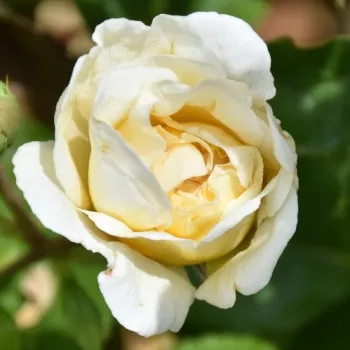
Light-yellow to creamy blooms; outer petals near RHS 155C, inner 4D. Buds creamy white with lemon tones, edges fading almost white as they age while the centre remains pale cream-yellow before falling. |
| Fragrance and aroma |
Strong, long-lasting scent with a deeply sweet, fruity character that is noticeable in still air and makes the variety particularly suitable for seating areas, entrances and frequently used garden spaces. |
| Hip characteristics |
Hip set is generally sparse due to the very double bloom form, though occasional small, spherical hips 8–12 mm across may develop, ripening to an orange-red shade corresponding roughly to RHS 43A. |
| Resistance and winter hardiness |
Rated to approximately -21 to -18 °C (RHS H7, USDA 6b), with moderate resistance to black spot, powdery mildew and rust; tolerates heat and moderate drought when soil preparation and watering are adequate. |
| Horticultural recommendations |
Best in well-drained, fertile soil with regular feeding; suitable for beds, borders, hedging and urban plantings. Plant at 35–70 cm depending on use, and prune annually to renew flowering wood and shape. |
JOLANDIA – light yellow bedding floribunda rose - Vissers offers compact structure, repeat flowering and rich fragrance on a durable own-root shrub that rewards you with reliable colour for many seasons; consider it if you need an easy, long-term garden rose.