JACQUES CARTIER – pink historical perpetual hybrid rose - Desprez
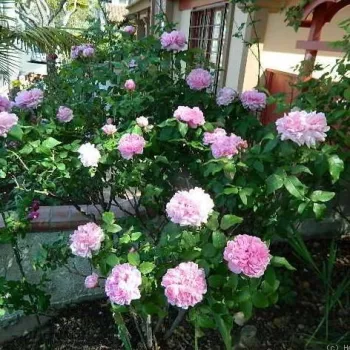
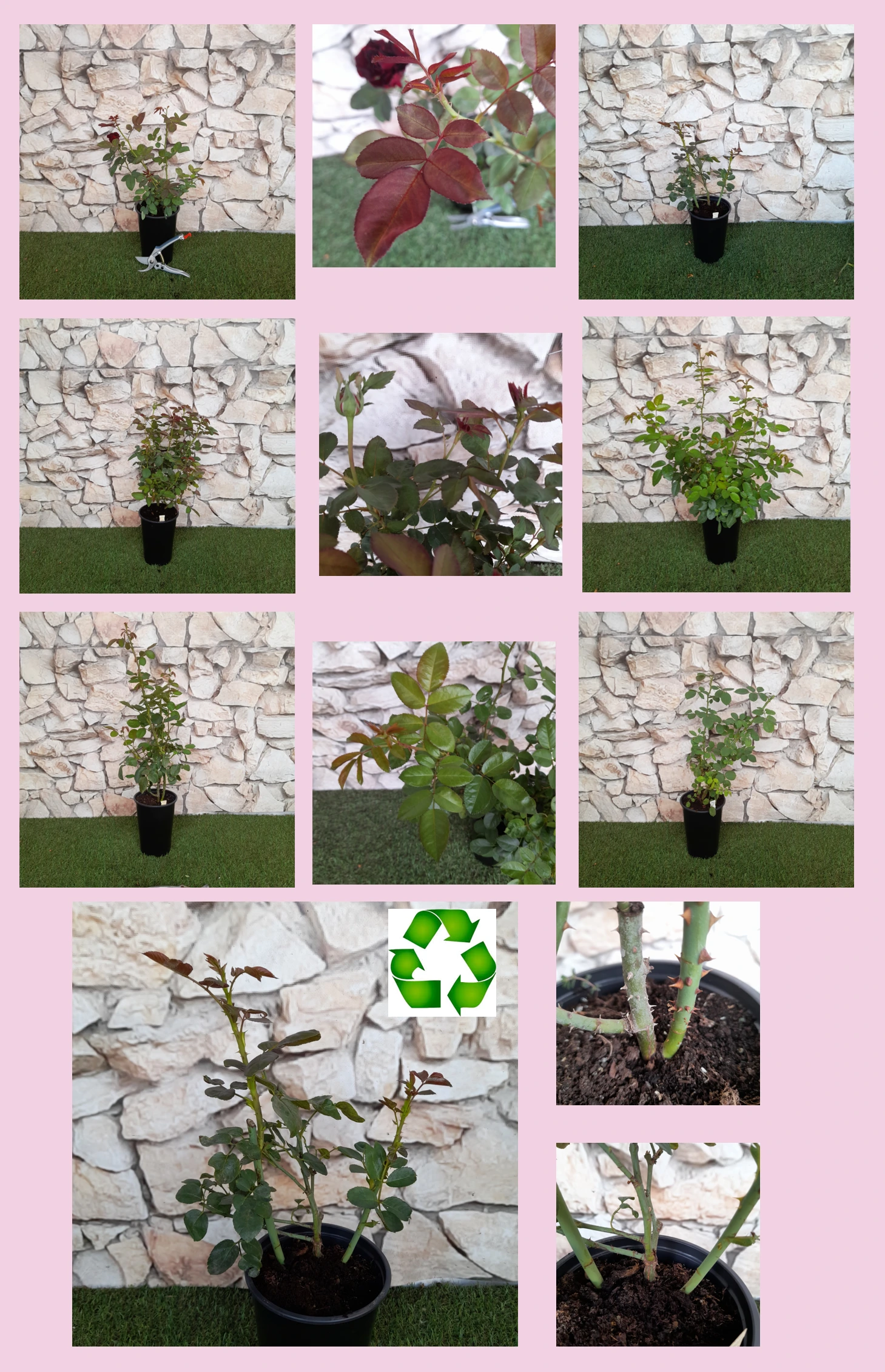
The 19th‑century heritage rose ‘Jacques Cartier’ combines classic charm with modern garden reliability, giving you abundant pastel‑pink blooms on a sturdy, bushy structure that suits typical British family plots. Its strong, long‑lasting fragrance and very double, old‑rose rosettes add a refined cottage‑garden character, while its proven RHS Award of Garden Merit underlines dependable performance in real gardens. As an own‑root plant it settles deeply and steadily, forming a durable, regenerating bush that copes well with cool, damp conditions and breezier, rain‑prone aspects near the coast, and with patient care it moves from establishing roots to shaping shoots and then full ornamental presence over its first three years, offering long‑term value without demanding complex maintenance.
Usage options
| Target area |
Reasoning |
| Front garden focal shrub |
Use as a single, mid‑sized focal shrub by the front door or along a path, where its bushy habit and pastel pink rosettes read clearly from the pavement. Low maintenance and own‑root resilience keep it looking settled and reliable for busy homeowners. |
| Cottage-style mixed border |
Plant 1–3 shrubs within a mixed cottage border, threading among perennials and small shrubs. The classic Portland form and repeat flushes give that authentic old‑rose look without specialist pruning, perfect for design‑conscious beginners. |
| Small rose bed or historical collection |
Group 3–5 plants at recommended distances to form a soft, rounded historical rose bed. Consistent growth and own‑root longevity build a stable feature that matures gracefully, ideal for long‑term planting by rose‑loving gardeners. |
| Part‑shaded side garden |
Place where it receives morning or filtered sun and afternoon shade; its tolerance of partial shade means flowering remains reliable even in narrower urban plots, giving colour where many modern roses sulk, reassuring time‑pressed city‑dwellers. |
| Low‑input family border |
Use along a family lawn or play area where spraying and fussing are not desired. Its good disease resistance and modest care needs make it suitable for those wanting healthy roses with minimal intervention, suiting practical families. |
| Traditional cut‑flower corner |
Grow a short row in a sunny corner for nostalgic, scented cuts. Medium‑sized, very double blooms on a bushy framework provide regular stems through the season, rewarding simple deadheading by fragrance‑seeking enthusiasts. |
| Sheltered container near seating |
In a large, well‑drained container of at least 40–50 litres, this rose can be kept close to seating where its strong scent and soft colour can be enjoyed at head height, provided watering is regular, appealing to patio‑focused owners. |
| Informal screening and boundary planting |
Plant at 1.0–1.2 m spacing to create an informal, flowering screen that breaks up views and filters wind while suiting typical British conditions with cool summers and frequent rain and wind around exposed houses, useful for suburban neighbours. |
Styling ideas
- Cottage Pink Spine – Run a loose line of ‘Jacques Cartier’ along a front path with catmint and lady’s mantle to soften edges – for lovers of traditional cottage approaches.
- Shaded Romance – Tuck the rose into a part‑shaded corner with ferns and foxgloves, relying on its shade tolerance and scent – for smaller, enclosed side gardens.
- Historic Feature Bed – Combine a small group of shrubs with lavender and dwarf honeysuckle to form a low‑care, historically styled rose bed – for enthusiasts of classic roses.
- Scented Seating Nook – Place one in a large pot by a bench and underplant with violas, so the strong perfume and soft pinks frame a reading spot – for patio and balcony users.
- Family-Friendly Screen – Use a loose row with hardy perennials like asters and crocosmia to create a colourful, low‑maintenance screen – for families wanting easy structure.
Technical cultivar profile
| Parameter |
Data |
| Name and registration |
Historical Hybrid Perpetual, Damask Perpetual, Portland rose marketed as ‘Jacques Cartier’, with heritage status and verified cultivar authenticity for reliable identity in home gardens. |
| Origin and breeding |
Bred in France by Jean Desprez around 1842, introduced under the name ‘Jacques Cartier’ in 1868; long established in European gardens with a strong reputation among heritage roses. |
| Awards and recognition |
Holds the Royal Horticultural Society Award of Garden Merit (1993), indicating dependable performance, ornamental value and garden worthiness under typical United Kingdom growing conditions. |
| Growth and structural characteristics |
Forms a bushy shrub 100–150 cm high and 80–120 cm wide, with moderately dense, mid‑green glossy foliage and moderate thorns, making a rounded, solid presence in beds or borders. |
| Flower morphology |
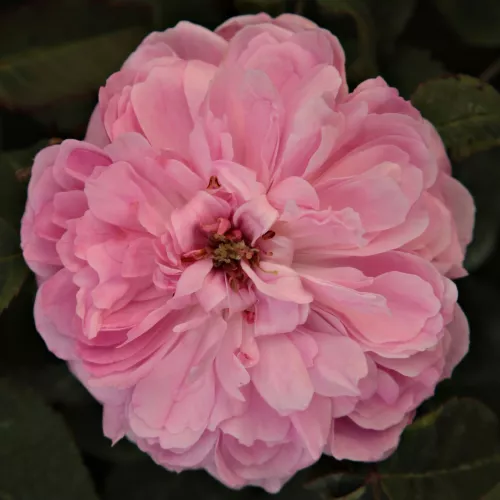
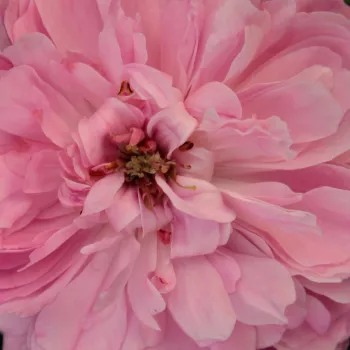
Bears medium sized, very double, rosette shaped blooms with over 40 petals, usually singly on the stem; remontant with a lighter second flush, giving classic old‑rose style across the season. |
| Colour data and phenology |
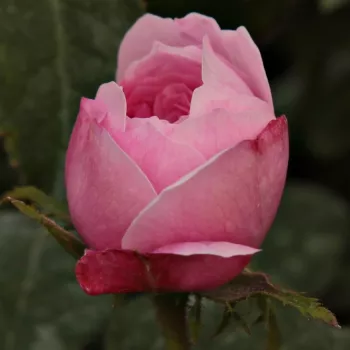
Pure mid‑pink flowers with silvery notes in cool weather; buds open deeper pink, then soften to shell‑pink and cream toward petal bases, with colour lightening in strong summer sunlight. |
| Fragrance and aroma |
Produces a strong to very strong, long‑lasting perfume typical of historic roses, providing noticeable scent in the garden and on cut stems, especially in the still air of sheltered positions. |
| Hip characteristics |
Very double blooms limit hip set, but occasional small, ellipsoid red hips 12–18 mm may appear late in the season, adding a modest autumn accent without dominating the plant’s display. |
| Resistance and winter hardiness |
Shows good resistance to common rose diseases including black spot, powdery mildew and rust; hardy to approximately −26 to −23 °C (RHS H7), suitable for most exposed UK locations. |
| Horticultural recommendations |
Best in fertile, well‑drained soil with regular moisture; benefits from deadheading due to poor self‑cleaning and light annual pruning, suitable for borders, specimens, parks and cut flowers. |
JACQUES CARTIER brings scented historic charm, healthy easy-care growth and long-lived own-root reliability to family gardens, making it a thoughtful choice for those seeking enduring, characterful roses.