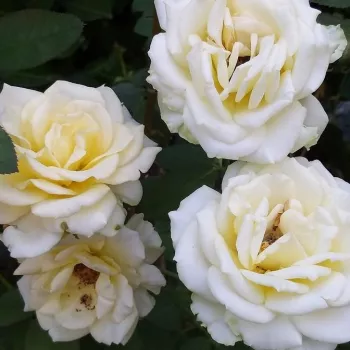
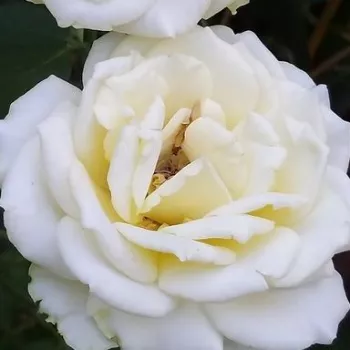
ISABELLE JOERGER – pastel yellow hybrid tea rose - Barth
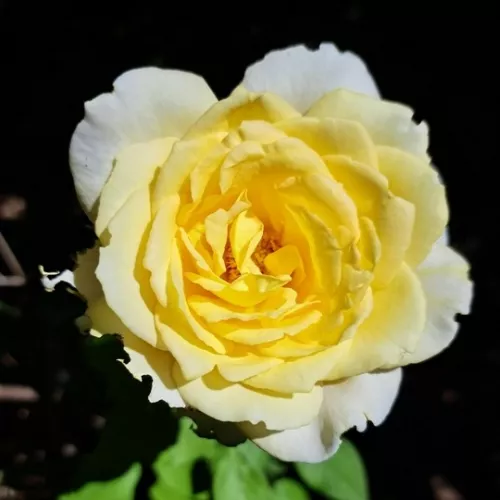
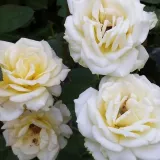
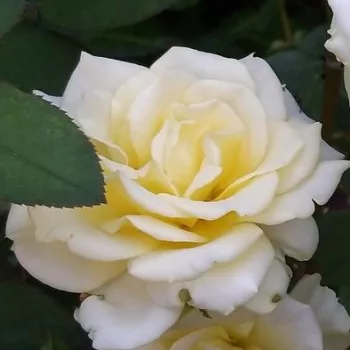
This pastel hybrid tea brings elegance and harmony to small British gardens, producing high‑centred, exhibition‑style blooms in a soft pastel palette that suits classic cottage mixes. Its erect, balanced habit and dense, glossy foliage create a naturally tidy look with little shaping, while own‑root planting supports a long‑lived, regenerating structure that stabilises well even in breezy sites and heavier soils where improved drainage is helpful against prolonged wet spells. Remontant flowering gives reliable summer colour for beds, borders and large containers, with a gentle, sweet‑fruity fragrance and partially pollinator‑friendly semi‑double blooms. In typical family gardens you can expect a natural progression – first concentrating on roots, then building top growth, and finally reaching full ornamental effect over the third growing season.
Usage options
| Target area |
Reasoning |
| Front garden focal point |
The upright, balanced growth and dense, glossy foliage make an attractive, well‑defined presence near the front door or along a path without complicated pruning. Repeated pastel blooms provide a neat, welcoming accent for beginners. |
| Small flower bed or mixed border |
Remontant flowering with an abundant second flush keeps a small bed looking lively through summer, even when space is limited. Its medium maintenance level suits those happy with simple seasonal care yet wanting steady performance for busy homeowners. |
| Cutting patch and indoor vase use |
The high‑centred, pointed buds and long, straight stems are ideal for cutting, giving you classic hybrid tea blooms for vases without needing a specialist cutting garden, a satisfying reward for style‑focused gardeners. |
| Pastel cottage‑style compositions |
The creamy pastel‑yellow tones fade softly to near‑white edges, blending easily with blues, mauves and soft pinks in cottage schemes, so you can create coordinated colour effects without detailed design knowledge, reassuring for aesthetic beginners. |
| Large patio container (40–50 litre or more) |
Its erect habit and moderate spread fit well in a substantial pot, where own‑root growth forms a stable, regenerating framework over time; this works especially well on sunlit patios for urban gardeners. |
| Specimen planting in lawn or gravel |
Planted alone at the recommended wider spacing, the bush maintains a balanced outline with dark green foliage as a backdrop to the soft blooms, offering a simple yet refined statement feature for homeowners. |
| Informal pollinator‑friendly corner |
Semi‑double flowers allow partial access for bees and butterflies while still keeping an elegant hybrid tea look, so you can support visiting insects a little without giving up formal flowers, appealing to wildlife‑minded gardeners. |
| Wind‑exposed or heavier‑soil beds |
As an own‑root plant, the bush anchors and shapes itself in its final position, gradually forming a resilient, well‑rooted stand that copes more steadily with blustery, moisture‑retentive sites, reassuring for coastal owners. |
Styling ideas
- Cottage Pastels – Combine with cranesbill ‘Rozanne’ and soft pink perennials for a loose cottage feel in small borders – ideal for romantic garden lovers.
- Front‑Door Accent – Plant a single bush near the entrance with low blue fescue edging for a crisp yet gentle welcome – suited to neat, low‑maintenance front gardens.
- Elegant Containers – Grow in a 50‑litre pot with trailing ivy and seasonal violas to enjoy pastel blooms on patios or balconies – perfect for space‑conscious city gardeners.
- Cutting Corner – Group three plants in a sunny strip to harvest long‑stemmed blooms for the house while keeping the bed visually tidy – good for those who like homegrown arrangements.
- Modern Contrast – Set against dark mulch with New Zealand flax ‘Tom Thumb’ and simple gravel edging for a clean, contemporary look – appealing to design‑driven homeowners.
Technical cultivar profile
| Characteristic |
Data |
| Name and registration |
Hybrid tea rose, registered as BARmarisa, traded as Isabelle Joerger Hybrid tea rose BARmarisa; classified in the hybrid tea group and suitable for garden and cut use. |
| Origin and breeding |
Bred by René Barth of Roseraies Barth, France, with introduction in 2016; parentage is undocumented but selected for balanced habit and refined pastel flower colour. |
| Growth and structural characteristics |
Erect bush 80–110 cm high and 50–70 cm wide with dense, dark green, glossy foliage; moderately thorny stems form a regular, balanced outline suited to beds and specimen use. |
| Flower morphology |
Semi‑double, 13–25‑petalled, large high‑centred flowers on mainly solitary stems; pointed, exhibition‑type buds and remontant flowering with a notably abundant second flush. |
| Colour data and phenology |
Pale creamy‑yellow base with buttery centre; buds butter‑yellow with a greenish tinge, opening warm lemon and fading to cream‑white margins with good colour retention as blooms age. |
| Fragrance and aroma |
Mild, soft, sweet‑fruity scent noticeable on warm, still days without overpowering nearby seating areas; fragrance gently complements its pastel display in family gardens. |
| Hip characteristics |
Hip set generally limited by flower form and pruning; when present, small ellipsoidal orange‑red hips about 10–14 mm across add discreet late‑season interest. |
| Resistance and winter hardiness |
Hardy to about −21 to −18 °C (RHS H7, USDA 6b) with moderate resistance to black spot, mildew and rust, and good flowering in warm, sunny UK positions once established. |
| Horticultural recommendations |
Best in full sun with well‑drained soil; suitable for beds, specimens, hedging and large containers, at 50–90 cm spacing, needing only moderate care and occasional plant protection. |
ISABELLE JOERGER offers refined pastel blooms, good cutting value and a balanced, long‑lived own‑root bush for easy family gardens, making it a thoughtful choice if you want classic roses without complex care.