ISABEL DE ORTIZ® – pink hybrid tea rose – Kordes
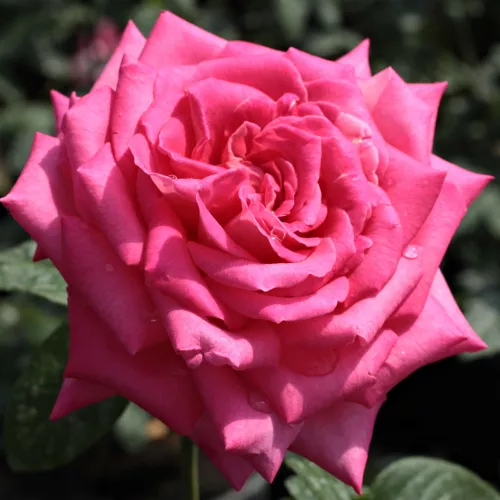
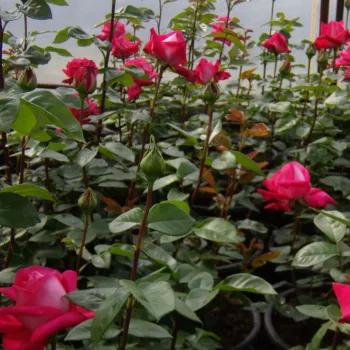
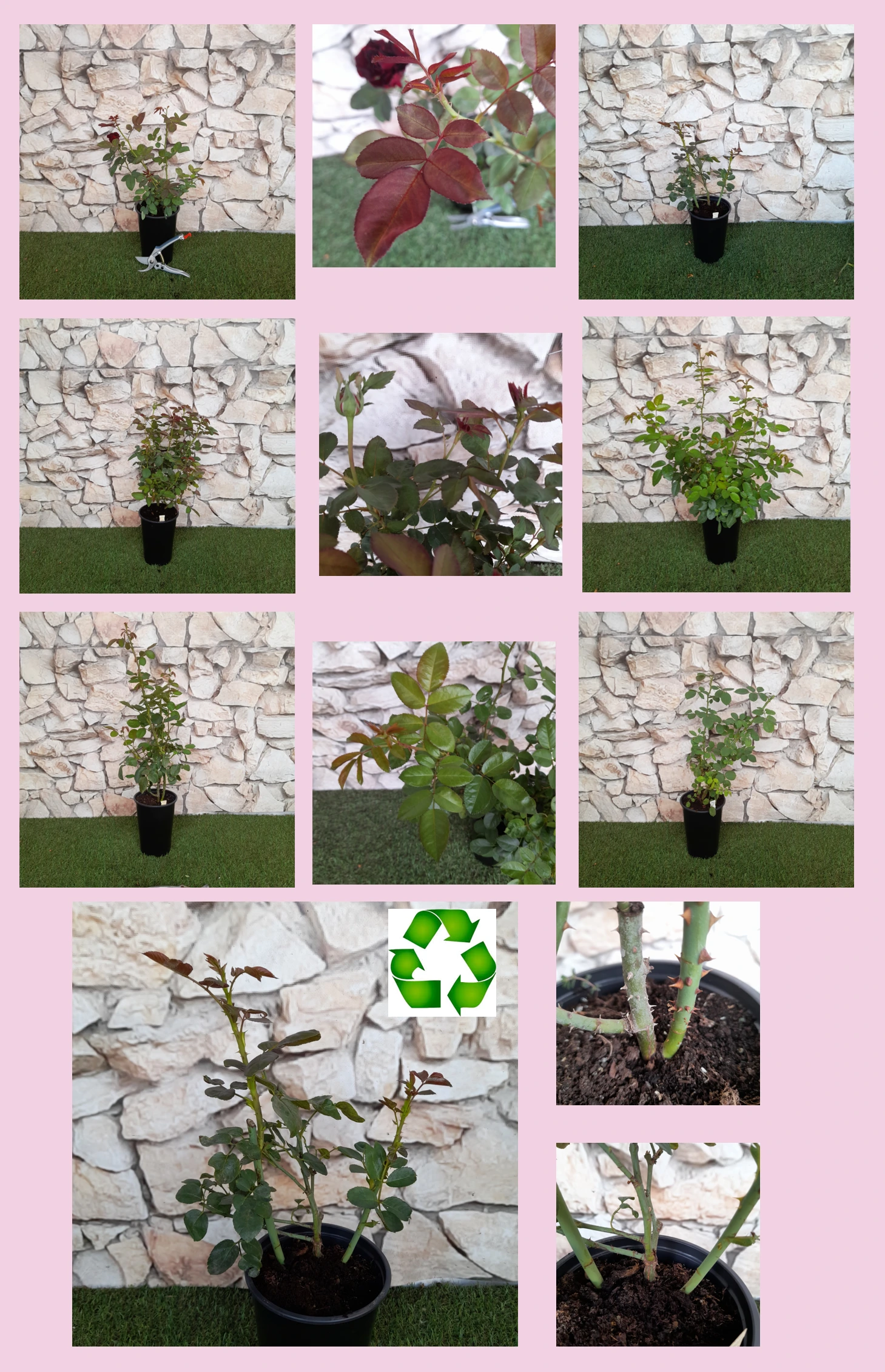
With its elegant, high-centred blooms and classic hybrid tea form, ISABEL DE ORTIZ® brings a note of quiet luxury to everyday gardens while remaining reassuringly robust for typical British conditions, even where soils are heavy and drainage needs thoughtful management. Bred by Kordes from Peace × Perfecta, this upright bush forms a tidy, well-shaped specimen ideal for both front gardens and mixed borders, offering medium-height structure and glossy dark green foliage as a refined backdrop to its deep pink, silvery-sheened blooms. The flowers are borne mainly singly on strong stems, excellent for home cutting, with a clearly noticeable, harmonious fragrance that rewards you each time you pass. As an own-root plant it will settle in steadily, rewarding patient gardeners as roots establish, shoots strengthen, and by the third year the rose reaches its full potential as a long-lived feature.
Usage options
| Target area |
Reasoning |
| Sunny front garden focal point |
The upright, medium-height habit and well-shaped bush make it ideal as a single focal plant by a path or entrance, where its deep pink, silvery-toned blooms can be appreciated at eye level and enjoyed regularly by beginners. |
| Classic hybrid tea rose bed |
Regular, reliable remontancy and uniform growth allow you to create a neat, traditional rose bed with consistent height and form; spaced at 60 cm, the plants form a coherent, formal display that suits small, orderly gardens for homeowners. |
| Cutting patch near the house |
Long, straight stems bearing solitary, high-centred blooms are ideal for vases, while the medium, noticeable fragrance adds value indoors; planting near the back door makes it easy to harvest flowers for flower-lovers. |
| Mixed cottage-style border |
The strong pink with silvery reverse weaves well into cottage mixes, pairing attractively with perennials and shrubs; own-root stability helps it blend in and keep its place without dominating, suiting relaxed plans for cottage-gardeners. |
| Low-maintenance family rose corner |
Good resistance to black spot and powdery mildew means fewer sprays and checks, while simple deadheading keeps it flowering; this supports those who want colour without constant fuss, ideal for busy-families. |
| Feature plant in heavy or challenging soils |
As an own-root shrub it adapts gradually to its planting site, developing a well-anchored, resilient framework that copes better long term in heavier or less-than-perfect soils, giving confidence to urban-gardeners. |
| Large decorative container on terrace or patio |
In a 40–50 litre container with good drainage, its upright structure and glossy foliage provide height and bloom close to seating areas; regular watering and feeding are straightforward, suiting space-limited balcony-owners. |
| Small group planting for depth of colour |
Planted in groups of three to five, the even habit and repeat flowering create depth and rhythm of pink blooms; over seasons the own-root bushes mature steadily into a durable, cohesive feature appreciated by planners. |
Styling ideas
- Entrance Elegance – Position a single plant by a front gate, underplant with Vinca minor and low alliums for season-round neatness – ideal for time-pressed homeowners wanting impact by the door.
- Cottage Ribbon – Plant a loose row along a path, interspersed with lavender and catmint to soften the formal hybrid tea shape – for cottage-garden enthusiasts seeking structure with a romantic feel.
- Patio Feature – Grow in a 50 litre terracotta pot with trailing ivy and seasonal bedding at the base – perfect for small terraces where a single rose must provide height, scent, and colour.
- Pink Focus – Use three plants in a triangle with Cornus kousa ‘Vulcan’ behind and pale perennials in front – suited to design-conscious gardeners wanting a calm, colour-coordinated focal bed.
- Family Rose Corner – Combine with hardy shrubs and groundcovers to create an easy-care, low-spray corner that still produces cut flowers – for busy families wanting a classic rose area without complex upkeep.
Technical cultivar profile
| Property |
Data |
| Name and registration |
ISABEL DE ORTIZ® hybrid tea rose; exhibition hybrid tea for garden and cutting; ARS approved exhibition name Isabel de Ortiz; RNRS registration no. 723, introduced to commerce under Kordes branding. |
| Origin and breeding |
Bred by Reimer Kordes (W. Kordes’ Söhne) in Germany before 1961 from Peace × Perfecta; introduced by W. Kordes’ Söhne in 1962 as a garden and cut-flower hybrid tea. |
| Awards and recognition |
Holder of Madrid International Rose Competition Gold Medal 1961 and RNRS Trial Ground Certificate 1961, followed by RNRS Gold Medal 1962, reflecting long-standing ornamental and garden performance value. |
| Growth and structural characteristics |
Upright hybrid tea shrub 100–140 cm high and 70–100 cm wide with moderately dense, glossy dark green foliage and moderate prickliness; forms a well-shaped bush suitable for beds, borders, and specimen planting. |
| Flower morphology |
Large, double (26–39 petals) hybrid tea flowers with high-centred, pointed buds borne mainly solitary on stems; good repeat flowering with a strong second flush; classic cut-rose form ideal for garden display and vases. |
| Colour data and phenology |
Deep pink petals with silvery-pink reverse (RHS 62C outer, 155D inner); vivid pink in newly opened blooms, then softening to silvery pastel tones as flowers age, giving a refined, multi-tonal effect before petals fall. |
| Fragrance and aroma |
Medium-strength, clearly noticeable scent of harmonious character; fragrance is evident when passing or cutting stems for indoor use, complementing the classic hybrid tea appearance without being overpowering in small spaces. |
| Hip characteristics |
Hip production generally limited due to fully double flowers; when present, produces small ovoid red hips around 10–15 mm, adding modest late-season interest but not a primary ornamental feature for this cultivar. |
| Resistance and winter hardiness |
Good garden resilience with resistance to powdery mildew and black spot, moderate rust susceptibility; hardy approximately to −21 to −18 °C (USDA 6b, RHS H7, Swedish zone 3) with normal garden winter protection practices. |
| Horticultural recommendations |
Best in sunny positions with well-drained soil; moderate heat and drought tolerance, requiring watering in prolonged dry spells; regular deadheading needed; recommended spacing 50–100 cm depending on mass planting or specimen use. |
ISABEL DE ORTIZ® offers reliable flowering, classic cut-worthy blooms and good disease resistance on a long-lived, own-root shrub, making it a thoughtful choice for gardeners seeking dependable colour with minimal complication.