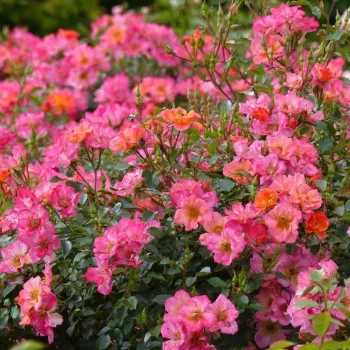
Medium-sized, single-flowered, uniform white blooms. Their distinctive effect is enhanced by the dark, brownish-lilac, almost black rose hips that appear later. - landscape shrub rose - strong, long-lasting scented rose - scent description not available
– Medium white single blooms in profusion.
– Strong, long-lasting fragrance in the garden.
– Bushy, upright habit for structured planting.
– Good heat and drought tolerance, hardy to H6.
– Decorative black hips extend the season.
– Special feature: Rare species rose from Vácrátót, ideal for naturalistic, pollinator‑friendly plantings.
Proportional arrangement – Uniform growth
pharmaROSA® ORIGINAL 2-litre own-root potted rose
19,30 £
Unfortunately, we are currently unable to ship to the United Kingdom; we only deliver to countries within the European Union. For more information, please contact us!
4.5(6894)
Rosa kokanica Vacratot – white botanical landscape shrub rose
Designed for easy planting in real British gardens, Rosa kokanica Vacratot offers natural resilience, tidy structure and a relaxed, woodland-edge charm that suits both cottage and contemporary schemes, even where soil is heavy and needs careful drainage. Its single white flowers are strongly scented and openly pollinator-friendly, followed by rare brownish‑purple to black hips that give exceptional late-season interest and texture. With a bushy, upright habit and uniformly proportional growth, it works as a low-maintenance landscape shrub, informal hedge or mixed-border feature, settling in as an own-root plant and steadily building long-term longevity in your family garden.
White blooms of Rosa kokanica ‘Vacratot’ shown side by side at different opening stages.
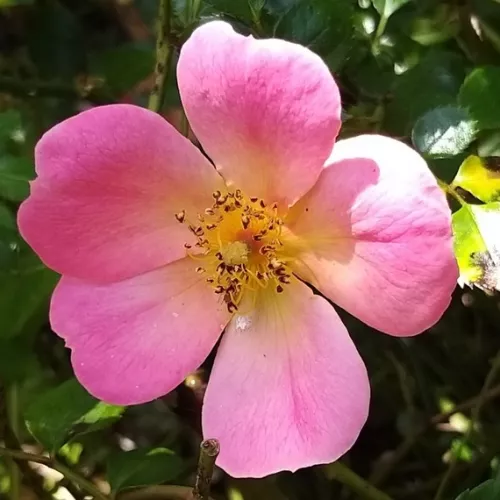
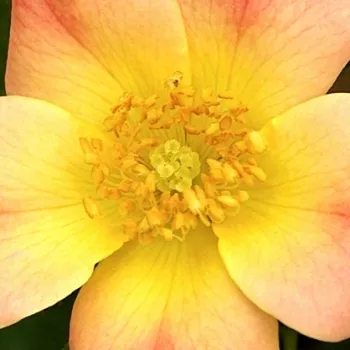
White single bloom with a clearly visible centre and accessible stamens.
Usage options
Target area
Reasoning
Front-garden feature shrub
The bushy, upright habit and uniform, proportional growth create a neat yet natural presence near the house, without constant pruning or shaping. Its tidy structure helps beginners keep a composed front garden with minimal effort, ideal for the busy urban gardener.
Pollinator-friendly cottage border
Single, medium-sized white flowers with exposed stamens and a long flowering season draw in bees and other beneficial insects, adding life and movement to cottage-style plantings. This clearly visible nectar source supports wildlife-focused designs for the nature-conscious homeowner.
Low-maintenance family garden shrub
Classed as resistant and suitable for partial shade, this species-type shrub is a good choice where you want reliable growth rather than intensive rose care. Its general toughness keeps routine tasks to a minimum for the practical family gardener.
Seasonal-interest mixed border
The rare brownish-purple to black hips extend the display into autumn and early winter, pairing well with perennials and grasses for long-season structure. Their unusual colour provides contrast without extra work for the aesthetics-focused beginner.
Informal flowering hedge
Recommended hedge spacing of around 70 cm allows you to build a scented, wildlife-friendly boundary that flowers freely and then carries decorative hips. Once established, it forms a durable, own-root barrier suitable for the long-term planner.
Small group plantings in beds or borders
Suggested planting distances for mass arrangements mean groups of 3–5 shrubs can fill awkward corners or side boundaries with coordinated height and shape. The proportional, uniform growth habit makes grouping straightforward for the confidence-seeking beginner.
Naturalistic and botanical-style schemes
As a botanical landscape shrub with species character, it fits perfectly into relaxed, naturalistic or botanical-garden-inspired areas, where subtle structure and ecological value matter more than formal bloom shapes for the informal garden enthusiast.
Wind-exposed or coastal-influenced gardens
Good general hardiness and a sturdy, bushy framework help it cope with open positions that experience strong winds and cool air, supporting gardens in exposed spots where more delicate roses struggle for the coastal and hillside gardener.
Styling ideas
Cottage Drift – Plant in loose groups with bearded iris and blanket flower for a relaxed, pollinator-rich cottage mix – ideal for wildlife-loving beginners.
White Hedge – Use as an informal scented hedge along a path, letting its uniform structure guide the eye – suited to families wanting low-fuss boundaries.
Botanical Corner – Combine with ornamental grasses and St John’s-wort to echo a small botanical garden vignette – perfect for collectors and plant enthusiasts.
Hip Focus – Pair with late perennials so the dark hips stand out against warm tones in autumn – attractive to gardeners who value extended seasonal interest.
Simple Accent – Position a single specimen near a seating area for scent and movement from visiting pollinators – good for smaller urban gardens needing one strong feature.
Technical cultivar profile
Parameter
Data
Name and registration
Botanical shrub rose marketed as Rosa kokanica Vacratot, a white botanical landscape shrub rose; classed as a shrub species rose, also referenced as R. villosa in exhibition listings.
Origin and breeding
Selected in Belgium by Lens Roses from Rosa kokanica seedlings originating from Vácrátót National Botanical Garden in Hungary; introduced to the trade in 2012 by Lens Roses.
Growth and structural characteristics
Bushy, upright shrub with proportional, uniform habit and mid-green, matt foliage of moderate density; strongly thorned stems provide a robust, well-anchored framework for landscape use.
Flower morphology
Medium-sized, single flowers with around 5–12 petals, borne repeatedly through the season; the variety is remontant, with a second flowering that is described as again abundantly produced.
Colour data and phenology
Uniform white blooms (RHS 155C inner and outer surfaces) around 5–6 cm across at full bloom; moderate colour retention and simple, clean effect, later contrasted by dark ornamental hips.
Fragrance and aroma
Classed as strongly and persistently scented, though detailed fragrance notes are not recorded; suitable where a noticeable perfume is desired alongside simple, species-type flowers.
Hip characteristics
Highly valued for distinctive small, spherical hips about 10–15 mm wide, turning rare brownish-purple to near-black as they mature, adding decorative late-season and winter interest.
Resistance and winter hardiness
Rated resistant overall, with limited specific disease data; hardy to around –15 °C (RHS H6, Swedish zone 1–2, USDA 6b), giving dependable garden performance in cool, temperate climates.
Horticultural recommendations
Low-maintenance species-type shrub suited to partial shade or sun; recommended spacing ranges from 70 cm for hedging to 120 cm for mass plantings and 180 cm for single specimen use.
Rosa kokanica Vacratot offers strongly scented, pollinator-friendly flowers, unusual dark hips and durable, own-root shrub reliability; a thoughtful choice if you prefer roses that quietly earn their place over time.
Detailed product attributes
Product Identification Data
Product Name:
ROSA KOKANICA VACRATOT – white landscape shrub rose
Product Type:
pharmaROSA® ORIGINAL - 2-litre own-root potted rose
Flower Colour Description:
Medium-sized, single-flowered, uniform white blooms. Their distinctive effect is enhanced by the dark, brownish-lilac, almost black rose hips that appear later.
Full Bloom:
At full bloom, it bears simple (4–8 petalled) white flowers approximately 5–6 cm in diameter. Sources describe the petals as uniformly white, with no distinct markings noted.
Pollinator Attraction:
Its single (4–5-petalled), medium-sized, open flowers with accessible stamens and a long flowering period make it highly attractive to pollinating insects.
Maintenance Requirement:
Maintenance requirement low; as a species rose it is hardy, but there is little specific data available on its susceptibility to powdery mildew, black spot and rust.
Our product is a rose grown with pharmaROSA®’s unique cultivation technology!
2-litre, own-root, potted rose.
With a shoot system appropriate to the season.
With a root system that thoroughly permeates the growing medium.
Quality compliant with the requirements of the E.N.A. (European Nurserystock Association).
Supplied in unique packaging that prevents damage.
Can be planted during frost-free periods.
True-to-variety rose bush with a unique identifier.
The pharmaROSA® own-root potted rose is a well-rooted plant that supports reliable establishment when planted and cared for properly, so it can be planted whenever the soil is not frozen.
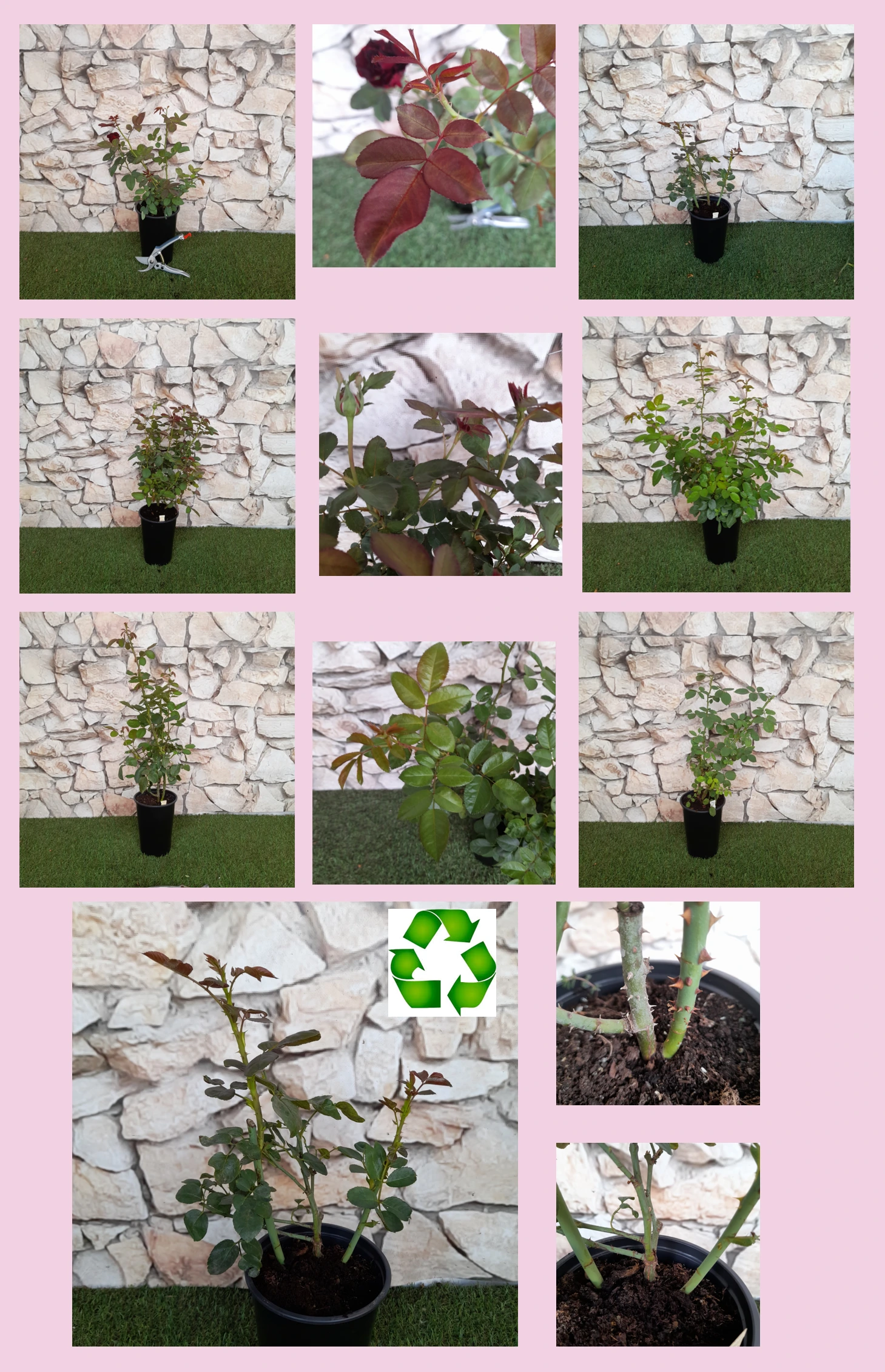
Crop overview: several varieties and growth stages in a short crop section.Shoot system: intensive growth of fresh basal shoots on a young plant.Root system: demonstration of a vigorous root system permeating the growing medium, by removing the pot.Balance: mature plant with root system and shoots in harmony with each other.
Information about the videos
The video series is not a “seasonal showcase”; it illustrates the essence of pharmaROSA® own-root cultivation in a tangible way: how the plant is built up, what the root system is like and how the shoot system regenerates. The recordings were therefore made at different times and with plants at various stages of development, so mixed foliage levels and differing stages of growth may appear in the videos. They are not a ‘sample’ of the batch dispatched, but a visual explanation of how the technology works. The current condition of the rose available to order — typical for the given period and similar to what you can expect to receive in the parcel — is shown in the upper part of the product page.
Pages for private customers Garden roses for the family garden, with minimal care → ORIGINAL® Premium garden roses – instant impact, a truly showpiece garden → EXTRA® Pages for professionals and private customers Roses for public spaces – large areas, sustainable maintenance → NATURAL® Roses for projects – hedge and row planting, fast implementation → RAPID® For professional partners only Production – propagation material for garden roses, wholesale → NEONATAL®
Company details
PharmaRosa Ltd. Company registration number: 01-09-717479 VAT number: 13075314-2-43 Plant health registration no.: HU130721 Bank account (IBAN): HU85117631891388688400000000 BIC (SWIFT): OTPVHUHB Bank name: OTP Bank Nyrt.