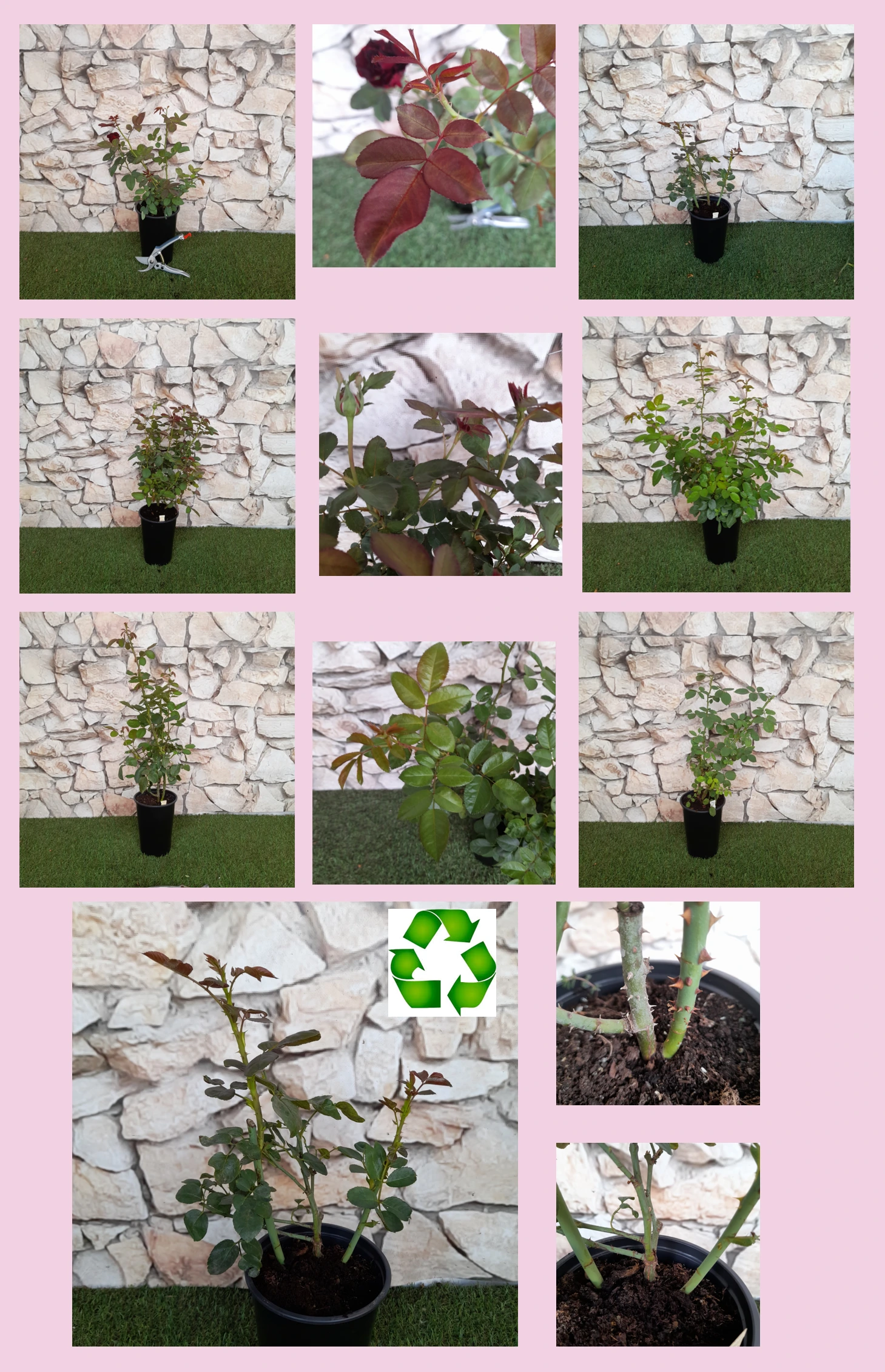
CHEERFULNESS – apricot bedding floribunda rose – pharmaROSA®
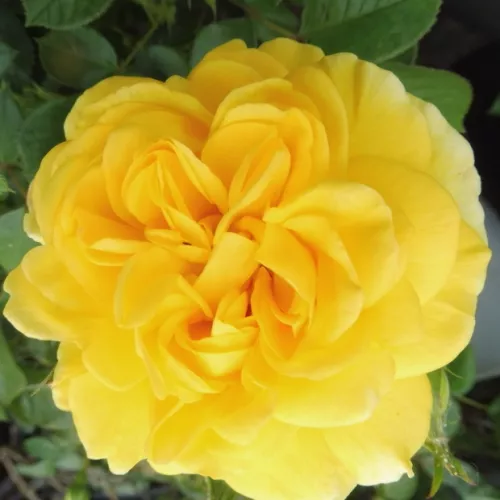
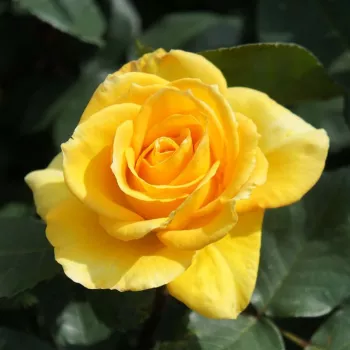
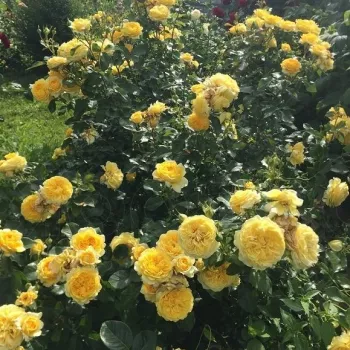
Cheerfulness brings a quietly luminous apricot glow to family gardens, forming a bushy, balanced shrub that flowers repeatedly from early summer well into autumn. Its clustered, rosette blooms open in generous flushes, then drop cleanly, keeping beds and borders looking naturally tidy without constant deadheading. As an own‑root plant, it settles in reliably and builds long-term strength, suiting typical front gardens where soil may be heavy but improved drainage gives roots a good start. Over the seasons it matures into a dense, glossy screen of foliage that anchors planting plans, whether you grow it in the ground or a large 40–50 litre container. With light, unobtrusive scent and medium maintenance needs, it fits busy lives, reaching its full ornamental presence steadily over the first three years.
Usage options
| Target area |
Reasoning |
| Front garden feature shrub |
The bushy, upright habit and 100–140 cm height make it ideal as a welcoming focal point near the front door, providing colour at eye level without overwhelming typical British front gardens; its clean, glossy foliage keeps entrances looking composed for style-conscious beginners. |
| Small bedding groups (1–5 plants) |
Clustered, medium-sized, very double flowers repeat freely, so even a small group creates a long-lasting, carpet-like band of colour; spacing at 60 cm allows each plant to fill out and interlock neatly, satisfying gardeners who want a reliable, low-effort display. |
| Edging and low informal hedges |
The dense foliage and recommended 50 cm hedge spacing form a soft, semi-formal boundary that guides paths and frames lawns; self-cleaning flowers mean the line stays fresh-looking with minimal deadheading, suiting those seeking a quietly structured yet relaxed border. |
| Mixed cottage-style borders |
The warm apricot-to-butter-yellow colour blend partners beautifully with cottage classics such as campanulas, tall verbena and oxeye daisies, linking pastel and brighter tones while its medium height nests comfortably among perennials for homeowners who value harmonious, layered planting. |
| Containers on patios and terraces |
In a 40–50 litre container this variety forms a stable, own-root shrub that copes well with sun as long as watering is regular; the bushy structure and good self-cleaning keep terraces presentable between weekend gardening sessions for busy urban balcony and patio gardeners. |
| Family seating and play areas |
Very weak fragrance and modest prickliness make it a considerate choice near seating, where visual impact is preferred over strong scent; the medium maintenance level means occasional checks and simple pruning are enough for families wanting colour without demanding care routines. |
| Season-long colour backbone in rose beds |
Remontant flowering with a plentiful second flush ensures reliable colour through the main season; resistance to powdery mildew and black spot supports a durable planting that, with basic care, knits together over time even where soil is heavy but drainage has been modestly improved for long-term planners. |
| Cutting for small indoor arrangements |
Medium, very double rosette blooms and longish stems are well suited to short jug or vase arrangements; the subtle, airy scent will not dominate interiors, offering a gentle way for newcomers to enjoy their first home-grown cut flowers alongside garden display seekers. |
Styling ideas
- Cottage-Ribbon – run a loose drift along a front path, weaving with oxeye daisies and peach-leaved bellflowers – for those who enjoy a soft, romantic entrance.
- Patio-Glow – plant one rose in a 50 litre terracotta pot with low silver foliage at the base – for city gardeners wanting a single striking feature.
- Apricot-Drift – group three plants in a triangle in a small bed to create a colour-saturated island – for homeowners seeking strong impact from few plants.
- Gentle-Hedge – line a play-lawn edge at 50 cm spacing for a relaxed, flowering boundary – for families who want definition without a harsh barrier.
- Calm-Companion – mix with tall verbena and soft grasses for a light, airy border – for style-focused beginners building their first mixed planting.
Technical cultivar profile
| Parameter |
Data |
| Name and registration |
Cheerfulness Bedding rose pharmaROSA®, floribunda bed rose, shrub/bedding type; commercial use name confirmed, own-root supply line for consumer gardens, originally registered in 2008. |
| Origin and breeding |
Discovered in Germany in 2008, breeder recorded as pharmaROSA®; introduced to the market by PharmaRosa® Ltd. in 2015, precise parentage and original breeding institution remain unknown. |
| Awards and recognition |
Recognised in European trials: Baden-Baden City of Zweibrücken Award 2015, Rose of Madrid 2015 and 1st Silver Medal 2015, confirming strong garden and landscape potential. |
| Growth and structural characteristics |
Bushy, well-branched shrub 100–140 cm high and 65–95 cm wide, with dense, mid-green glossy foliage and moderate prickles; forms a rounded, balanced habit suitable for beds, borders and low hedging. |
| Flower morphology |
Very double, rosette-shaped blooms with more than 40 petals, medium-sized at 1.5–2.75 inches, carried in clusters; flowers drop spent petals well, supporting a naturally tidy look without intensive deadheading. |
| Colour data and phenology |
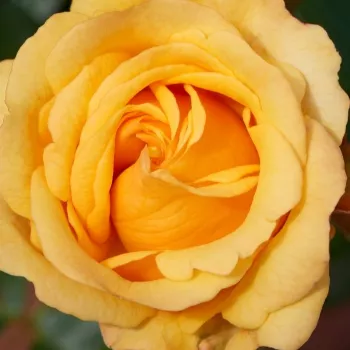
Warm apricot blooms (RHS 11C outer, 14B inner) open rich and gradually fade to buttery yellow with pale, almost white margins; remontant with generous repeat flushes through the main flowering season. |
| Fragrance and aroma |
Very weak, barely perceptible fragrance with a light, airy character; primarily an ornamental variety for visual effect rather than scent, with densely filled flowers limiting pollen access for visiting insects. |
| Hip characteristics |
Rose hips form only lightly; occasional small spherical fruits 8–12 mm across develop, in orange-red RHS N34A tones, offering modest late-season interest without significantly affecting flowering performance. |
| Resistance and winter hardiness |
Rated H7, hardy to approximately −21 to −18 °C (USDA 6b, Swedish zone 3); moderate overall disease resistance, showing resistance to powdery mildew and black spot, with medium susceptibility to rust. |
| Horticultural recommendations |
Best in sunny positions with improved, well-drained soil; planting distances: 60 cm for mass, 50 cm for hedging, 100 cm as specimen; suitable for beds, groups, edging, larger containers and occasional cutting. |
CHEERFULNESS – apricot bedding floribunda rose – pharmaROSA® offers bushy structure, repeat flowering and clean-falling blooms in a durable own-root form that will reward you steadily over the years, making it a thoughtful choice for relaxed family gardens.