INGRID BERGMAN™ – dark red hybrid tea rose
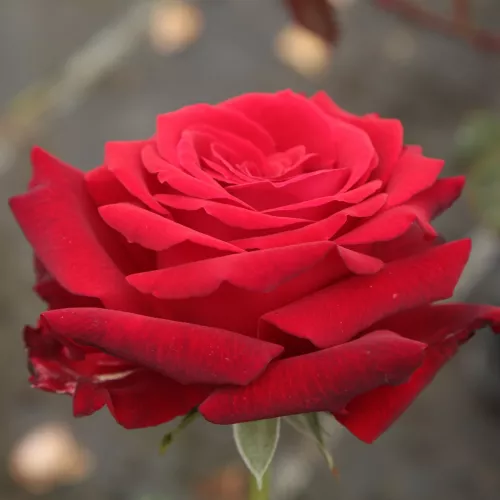
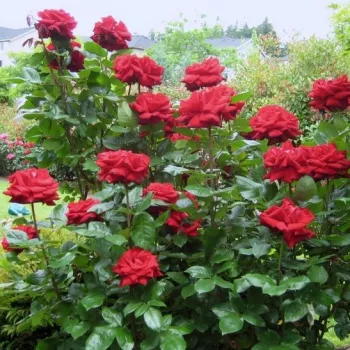
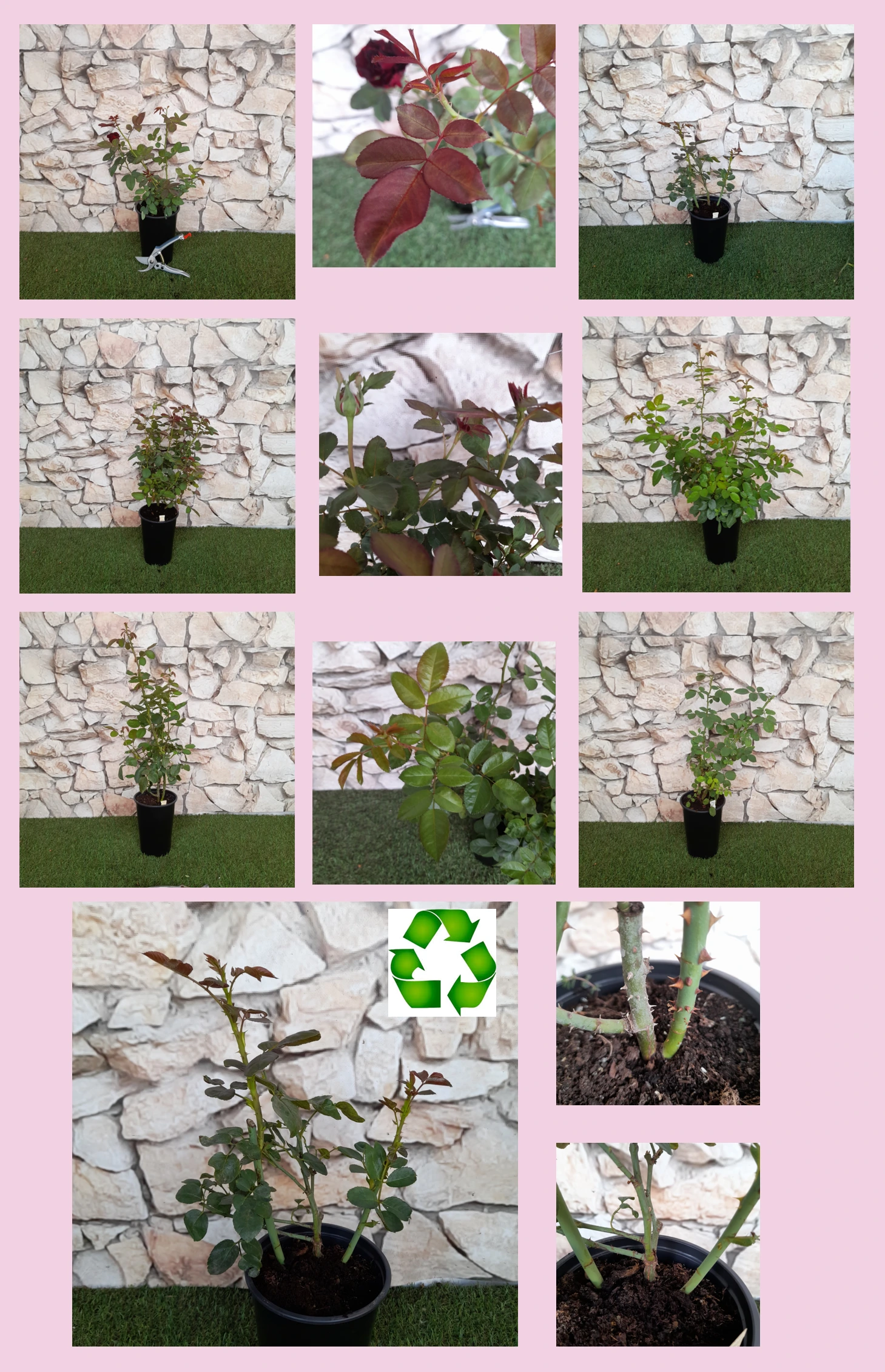
This famous hybrid tea brings together elegance, romantic depth of colour and dependable structure in a form that suits today’s smaller British gardens. Its velvety dark-red blooms hold their colour exceptionally well, staying rich and unfaded even in strong sun, while the neatly upright habit keeps plants looking orderly in beds and borders. Own-root development supports long-term longevity and steady regeneration, so once established it can grace your garden for many years with relatively modest input. With good hardiness down to typical UK winter lows and reliable repeat flowering from summer onwards, it rewards regular deadheading with a near-continuous display. Over the first few seasons it builds from strengthening roots to fuller top growth, so by the third year you enjoy its complete ornamental value even in exposed, breezy gardens where sturdy stems cope well with wind and rain.
Usage options
| Target area |
Reasoning |
| Front garden focal point by the path |
The upright, well-branched habit and classic high-centred blooms create a clear focal point that looks composed rather than sprawling, ideal for smart front gardens. Its velvety dark-red flowers remain richly coloured, so the display stays impressive between deadheading rounds for beginners |
| Small rose bed with 3–5 plants |
Planted in a tight group, the consistent height and structure give a tidy, “designed” look without complex planning. Own-root plants settle in, forming a stable stand that matures year by year, offering lasting garden structure for homeowners |
| Mixed cottage-style border |
The deep red, non-fading blooms contrast beautifully with soft perennials and cottage classics, holding their colour even in bright positions. This reliable colour performance helps keep borders visually balanced throughout summer, supporting low-effort planting schemes for aesthetes |
| Cutting patch for home arrangements |
High-centred, solitary blooms on strong stems are ideal for cutting, bringing a traditional florist-style rose indoors. Repeat flowering means you can cut regularly while still enjoying colour in the garden, giving good value from a small planting area for families |
| Formal pair flanking an entrance |
The regular, upright shape and dark, glossy foliage lend themselves to symmetrical planting by doors or gateways. Because own-root plants rebuild from the base over time, they can maintain a balanced, matched appearance even after harder pruning or weather setbacks for planners |
| Feature rose in a large container |
In a 40–50 litre pot with free-draining compost, its controlled spread and vertical habit suit patios or small paved front gardens. Strong stems and good hardiness help it cope with exposed urban spots, provided watering and feeding are kept consistent for balcony-owners |
| Sunny, wind-exposed border |
Sturdy, upright growth and dense foliage help the plant stand firm and flower well even where beds catch plenty of breeze and rain, supporting reliable garden structure in typical British weather. Good winter hardiness adds reassurance for busy-owners |
| Long-term rose feature in a family garden |
As an own-root hybrid tea it is capable of many seasons of performance, gradually building a solid framework that responds well to renewal pruning. Once the root system is established, flowering becomes more generous and predictable, making it a stable, long-lived element for beginners |
Styling ideas
- Classic trio – Plant three in a triangle in a small front bed with low evergreen edging; suits those seeking a simple, formal rose feature – ideal for homeowners
- Cottage mix – Combine with soft pink or white perennials and airy grasses so the dark red blooms punctuate a looser border – ideal for cottage-garden lovers
- Entrance pair – Place one each side of a path or gate, underplanted with lavender for scent and edging – ideal for design-conscious beginners
- Patio centrepiece – Grow in a 40–50 litre terracotta container with trailing herbs at the rim – ideal for urban patios
- Cutting corner – Group with other repeat-flowering roses in a sunny bed dedicated to home-cut flowers – ideal for creative gardeners
Technical cultivar profile
| Characteristic |
Data |
| Name and registration |
Hybrid tea rose from the Hybrid Tea POULSEN® collection; registered as POUlman, marketed as Ingrid Bergman™ Hybrid Tea POULSEN® POUlman; ARS exhibition name Ingrid Bergman. |
| Origin and breeding |
Bred by L. Pernille Olesen and Mogens Nyegaard Olesen, Poulsen Roser A/S, Denmark; cross of ‘Precious Platinum’ × ‘Else Poulsen’; introduced and registered in 1984. |
| Awards and recognition |
Highly decorated: multiple European trial medals, including Belfast and Copenhagen, RNRS Trial Ground Certificate, RHS Award of Garden Merit, and WFRS World’s Favourite Rose (Rose Hall of Fame). |
| Growth and structural characteristics |
Medium-sized, upright bush 80–105 cm tall and 50–70 cm wide; dense, slightly glossy dark green foliage; moderately thorny stems; weak self-cleaning, so regular deadheading is recommended. |
| Flower morphology |
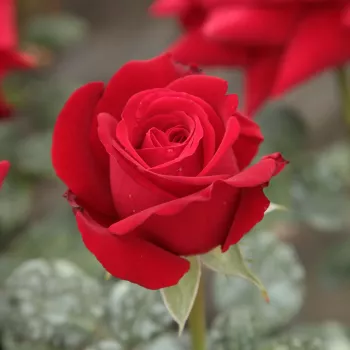
Large, double, high-centred blooms with 26–39 petals; classic pointed buds opening to exhibition-type flowers, usually solitary per stem; good repeat flowering with a strong second flush. |
| Colour data and phenology |
Deep, velvety dark-red with ruby-red highlights; colour holds extremely well in sun, ageing towards blackish-bordeaux without notable fading; buds dark burgundy, appearing almost black before opening. |
| Fragrance and aroma |
Light, discreet fragrance with a subtle rose scent; primarily grown for visual impact rather than perfume; double flowers and dense petal formation limit pollinator access to stamens and nectar. |
| Hip characteristics |
Sparse hip set due to very double flowers; when present, red ellipsoidal hips around 10–14 mm in diameter, adding modest late-season interest without significant self-seeding. |
| Resistance and winter hardiness |
Fully hardy in UK conditions (approx. USDA 4b, RHS H7); tolerates heat and moderate drought with watering in dry spells; disease sensitivity requires regular monitoring and plant protection where fungal pressure is high. |
| Horticultural recommendations |
Best in full sun with fertile, well-drained soil; suitable for beds, specimens, hedging and large containers; recommended spacing 50–90 cm depending on use, with 2.8–3.2 plants/m² for massed planting. |
INGRID BERGMAN™ offers velvety, non-fading dark-red blooms on a well-shaped, own-root bush that can give many years of reliable structure and cutting stems, making it a thoughtful choice for a classic family garden.