INGE'S ROSE – pale pink nostalgia rose – Schultheis
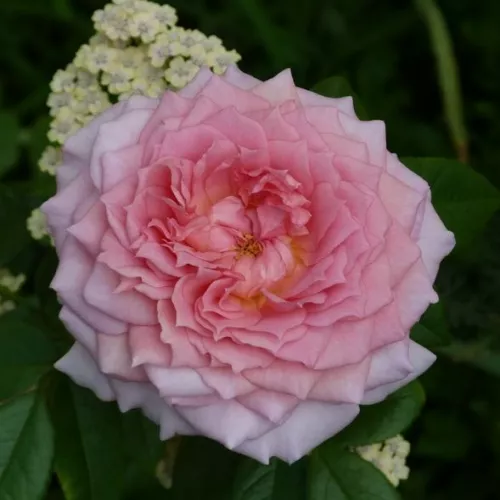
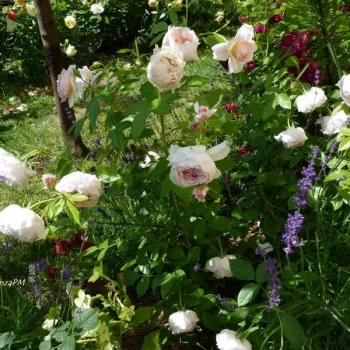
Romantic charm meets dependable flowering in Inge’s Rose, a nostalgia shrub that settles reliably into typical British family gardens and copes well with sites where heavy soils benefit from thoughtful drainage and airflow. Its upright, bushy habit and floribunda clusters create a generous display of large, rosette blooms from soft mid‑pink buds to almost porcelain white, giving months of colour without demanding complicated care. Light, rose‑like fragrance and dense, healthy foliage support a tidy look around front paths and bay windows, while cold‑hardy structure and good overall resilience promise a long‑lived, stable shrub in mixed cottage‑style borders. Supplied as a well‑rooted, own‑root plant in a 2‑litre pot, it is easy to establish: think roots settling in year one, fuller shoots and shape in year two, and confident, mature ornamental value by year three for relaxed beginners and experienced garden owners alike.
Usage options
| Target area | Reasoning |
|---|
| Front garden focal shrub |
The upright, medium‑tall habit forms a clear, elegant shrub that anchors a traditional front garden without overpowering the space. Large, rosette blooms carry a nostalgic look that suits bay windows, paths and gateways, giving structure that remains attractive between flushes for appearance‑conscious homeowners. |
| Small group planting (3–5 plants) |
Planted in a loose triangle or arc at the recommended distances, Inge’s Rose builds into a soft, billowing mass of pastel pink, ideal where you want generous effect from a small number of plants. The repeat‑flowering habit keeps the group interesting through summer for relaxed but style‑focused gardeners. |
| Romantic mixed cottage border |
The pastel, fading pink tones combine beautifully with perennials such as Geranium macrorrhizum and Echinacea, creating layered, old‑fashioned charm. Dense foliage fills gaps low down, so the border remains coherent even when other plants are cut back, helping visually tidy‑minded beginners. |
| Around-the-house beds on heavier soils |
In foundation beds where clay and run‑off can be issues, a single shrub or short row performs well when given basic drainage and mulching, adapting steadily as its own roots establish and deepen. This supports a stable, low‑fuss framework for busy urban families. |
| Low, informal flowering hedge |
At hedge spacing, the dense, leafy structure and moderate prickliness create a gentle, green boundary that also offers privacy when in leaf. Repeated flushes of soft pink flowers soften fencing or drive edges, adding romance to everyday views for privacy‑seeking front‑garden owners. |
| Feature rose in a large container |
In a 40–50 litre or larger container, this variety’s upright, bushy shape makes a graceful statement near doors, patios or seating areas. With regular watering and feeding, you gain repeat blooms and tidy foliage in a confined space, ideal for space‑limited terrace gardeners. |
| Season-long colour anchor in a small border |
The plentiful second flowering and reliable repeat create a long season of pastel colour from a limited footprint. Even when underplanted with low perennials, the rose remains the visual anchor, supporting a cared‑for look with modest input for time‑pressed home gardeners. |
| Cold-exposed family gardens |
With hardiness down to approximately −26 °C and good resilience to typical British winters, Inge’s Rose is a sound choice for more exposed or northerly plots, where structure and flower quality must recover well each year, reassuring cautious new rose owners. |
Styling ideas
- COTTAGE TRIO – Plant three Inge’s Rose in a loose triangle, underplant with Geranium macrorrhizum for groundcover and weave in foxgloves for height – for lovers of relaxed, classic cottage borders.
- FRONT DOOR WELCOME – Grow a single plant in a 50‑litre terracotta pot by the entrance, with trailing thyme or ivy at the rim – for homeowners wanting an elegant, low‑effort focal point.
- SOFT HEDGE – Space a row at hedge distance along a drive, mixing in lavender at the front edge to underline the pastel blooms – for those seeking a gentle, romantic boundary line.
- PASTEL MIX – Combine Inge’s Rose with Echinacea purpurea and pale ornamental grasses for a soft, modern‑romantic border – for gardeners who like nostalgia with a contemporary twist.
- AROUND-THE-HOUSE – Place single shrubs between windows in narrow beds, with low heucheras and spring bulbs to extend interest – for busy urban owners wanting tidy but characterful foundations.
Technical cultivar profile
| Parameter | Data |
|---|
| Name and registration |
Inge’s Rose, Romantic rose collection; Romantica shrub, nostalgia type floribunda; ARS exhibition name Inge’s Rose; commercial listing as INGE'S ROSE – pale pink nostalgia rose – Schultheis. |
| Origin and breeding |
Bred by Christian Schultheis in Germany from ‘James Galway’ × ‘Tchaikovsky’; breeding completed 2010, introduced 2011 via Rosenhof Schultheis e.K. and subsequently offered as a romantic shrub rose. |
| Growth and structural characteristics |
Medium shrub 90–150 cm high and wide, upright yet bushy with dense, mid‑green, slightly glossy foliage; moderately thorny canes; forms a full, rounded outline with age in typical garden settings. |
| Flower morphology |
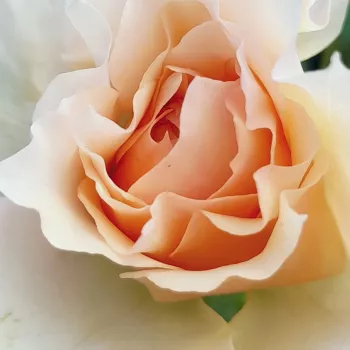
Large, very full, rosette‑shaped blooms, typically over 40 petals; borne mainly in clusters on branching stems; repeat‑flowering with a generous second flush after initial summer bloom under normal care. |
| Colour data and phenology |
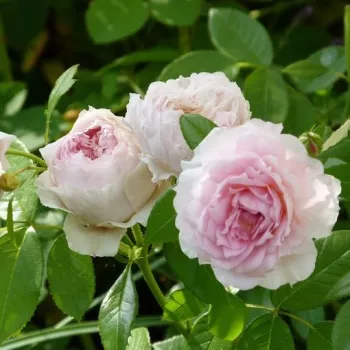
Pastel rose‑pink overall; buds mid pink, opening creamy pale pink with deeper centres, then fading to very pale pink and finally almost porcelain white before petal drop; ARS lp, RHS 65C–65D references. |
| Fragrance and aroma |
Light, pleasant rose‑like scent, detectable at close range around the shrub in still weather; not overpowering, making it suitable near paths, seating areas and entrances without becoming cloying. |
| Hip characteristics |
Occasional small hips, spherical and orange‑red, about 6–10 mm in diameter; not produced in large numbers, but adding modest late‑season interest where flowers are left un‑deadheaded. |
| Resistance and winter hardiness |
Rated hardy to approximately −26 to −23 °C (RHS H7, Swedish zone 4, USDA 5b); moderate resistance to black spot and powdery mildew, good rust resistance; benefits from standard preventative care in humid sites. |
| Horticultural recommendations |
Medium maintenance shrub; appreciates fertile, well‑drained soil and regular watering in dry spells; plant 105–120 cm apart in groups or hedges, or use singly at 200 cm spacing; suits 40–50 litre containers. |
Inge’s Rose offers romantic pastel rosettes, repeat flowering and durable cold-hardy structure as an own-root shrub that matures steadily into a dependable feature, making it a thoughtful choice for long-term family gardens.