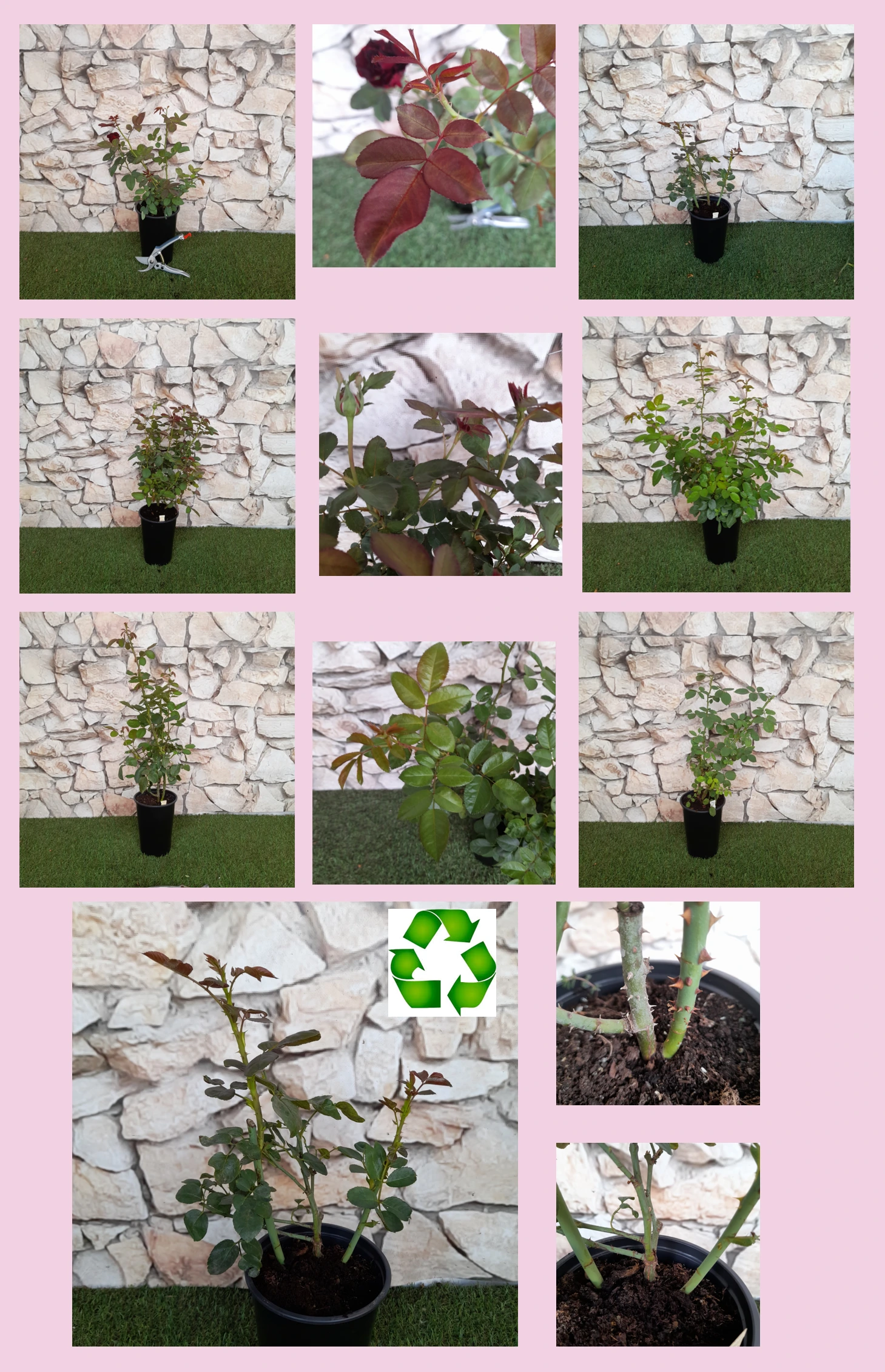
ROSA PIMPINELLIFOLIA FRÜHLINGSMORGEN – pink-yellow landscape shrub rose - Wilhelm J.H. Kordes II
Rosa pimpinellifolia Frühlingsmorgen offers an easy, long-lived start to rose growing, giving you a naturally bushy, low-maintenance shrub that thrives even in typical British soils where improved drainage is helpful. Once settled, it forms a generous, upright hedge or specimen with dense, grey-green foliage and masses of large spring blooms in a soft pink-and-cream two-tone display. The single flowers open wide, revealing golden stamens for a pollinators magnet effect, while the medium, wild-rose fragrance adds gentle seasonal character around paths, front gardens and cottage-style borders. Later in the year, abundant crimson hips bring extra autumn interest and support wildlife, reinforcing its value as a long-term garden investment. As an own-root shrub, it matures steadily into a stable, resilient framework, so you can expect strong root-building in the first year, a fuller canopy in the second and near-complete ornamental impact by the third, with little more than light annual pruning and basic care needed for many years of reliable structure.
Usage options
| Target area |
Reasoning |
| Informal flowering hedge along front or side boundaries |
Its bushy, upright growth and dense foliage make a natural, informal screen that fits classic front-garden layouts. Plant in a single row at about 80 cm apart to build a soft, flowering hedge that needs only occasional shaping, ideal for a low-effort boundary for the busy homeowner. |
| Cottage-style mixed border with perennials |
The once-a-year spring flush gives a strong seasonal highlight, while the pink-and-cream flowers blend beautifully with catmint, lamb’s ear and coral bells. Use it towards the back or mid-border for height and texture, then underplant with perennials for a relaxed cottage look that remains easy to manage for the aesthetics-focused beginner. |
| Specimen shrub in a lawn or centre of a small bed |
Planted on its own at the recommended spacing, it develops into a rounded, architectural shrub with striking spring bloom and autumn hips. This creates a clear focal point without needing complex care routines, suiting those who want high impact from a single planting choice for the time-poor gardener. |
| Wildlife-friendly and pollinator planting schemes |
Large, single, open flowers and prominent stamens make nectar and pollen easy to access, while later in the season the red hips provide food and shelter value. This dual-purpose structure is excellent for family gardens that want wildlife interest without specialist know-how for the nature-conscious family. |
| Naturalistic or lightly managed shrub areas |
Once established, it forms a robust framework needing only moderate, infrequent pruning, allowing you to let it grow more freely in looser, naturalistic designs. This suits side plots, back corners or mixed shrub belts where you prefer relaxed structure over meticulous clipping for the low-maintenance seeker. |
| Exposed, cooler or clay-prone British garden sites |
With excellent winter hardiness and generally good health, it copes well with typical UK conditions, provided the planting spot is improved to avoid standing water and give steady, reliable drainage in heavier soils. This resilience reduces worry about losses in challenging spots for the practical homeowner. |
| Long-term rose framework in family gardens |
As an own-root shrub rose, it builds its shape where you plant it, regenerating well from the base and avoiding issues with graft failure. Over the years it forms a stable, woody framework that can be refreshed by simple thinning cuts, supporting a long lifespan garden plan for the forward-planning gardener. |
| Large containers on patios or front drives (with adequate volume) |
In a substantial container of at least 40–50 litres, this variety can be grown as a structural patio shrub, offering a strong spring show and good foliage presence through the season. Container use is most successful where watering is regular but not fussy, suiting the space-limited town gardener. |
Styling ideas
- Cottage hedge rhythm – weave Frühlingsmorgen along a front boundary with alternating clumps of Nepeta and Stachys to soften edges and echo classic cottage streetscapes – ideal for lovers of traditional British front gardens.
- Spring focal drift – plant three to five shrubs in a loose triangle in a lawn or gravel area, underplanted with low Heuchera for foliage contrast – suitable for those wanting a strong spring feature with minimal maintenance.
- Wildlife corridor – combine it with berrying shrubs and wildflower strips to form a soft hedge that feeds pollinators in spring and birds in autumn – perfect for families creating a child-friendly nature corner.
- Naturalistic backbone – use a line of Frühlingsmorgen behind looser perennials such as grasses and catmint to anchor a flowing border and reduce pruning complexity – good for gardeners preferring relaxed, low-input planting.
- Patio statement – grow a single plant in a large terracotta pot near the front door, underplanted with soft, silver lamb’s ear to highlight the pale flowers and hips – suited to urban owners seeking refined impact in limited space.
Technical cultivar profile
| Property |
Data |
| Name and registration |
Rosa pimpinellifolia Frühlingsmorgen is a shrub rose used as a pink-yellow landscape shrub; ARS exhibition name ‘Fruhlingsmorgen’, belonging to the botanical rose commercial group. |
| Origin and breeding |
Bred by Wilhelm J. H. Kordes II in Germany from (‘E. G. Hill’ × ‘Cathrine Kordes’) × ‘Rosa spinosissima var. altaica’; introduced around 1942 as a vigorous, hardy garden shrub. |
| Awards and recognition |
Holds the RHS Award of Garden Merit (2012), indicating reliable garden performance, sound health and ornamental value under typical United Kingdom conditions with standard care practices. |
| Growth and structural characteristics |
Bushy, upright shrub with dense, medium-dark, slightly grey-green, matte foliage and plentiful thorns; forms a structural garden rose suited to hedging, mixed borders and specimen use. |
| Flower morphology |
Single, flat, large flowers with approximately 5–12 petals borne in clusters; non-remontant, providing one strong flowering period that covers the bush attractively in season. |
| Colour data and phenology |
Medium-intensity pink-carmine outer petals (RHS 56C) with creamy, sometimes pale yellow centres (RHS 14B), creating a soft two-tone effect and a pronounced seasonal flush in spring. |
| Fragrance and aroma |
Medium-strength scent with muscatel, wild-rose and violet notes; clearly perceptible near the plant, adding gentle atmosphere to paths, seating areas and cottage-style front gardens. |
| Hip characteristics |
Produces many ornamental, crimson-red, egg-shaped hips around 10–20 mm in diameter, giving attractive autumn and early winter colour and supporting wildlife-friendly garden schemes. |
| Resistance and winter hardiness |
Hardy to around -35 °C (RHS H7, Swedish zone 1–4, USDA 6b) with generally good resistance to powdery mildew, black spot and rust, supporting low-input, long-term garden use. |
| Horticultural recommendations |
Best for hedges, screens, mixed borders and cottage or naturalistic schemes in sun or light shade; prefers well-drained soil, low to moderate pruning and spacing of 0.5–2.05 m. |
Rosa pimpinellifolia Frühlingsmorgen offers spring flower display, pollinator appeal and long-lived structure in an easy-care, own-root form, making it a thoughtful choice for durable, low-effort garden planting.