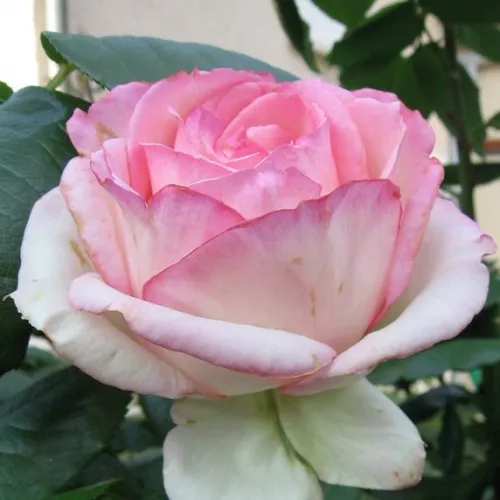
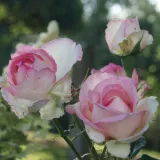
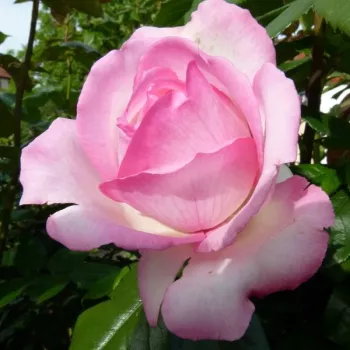
HONORÉ DE BALZAC® – cream‑white with pink‑edged petals hybrid tea rose - Meilland
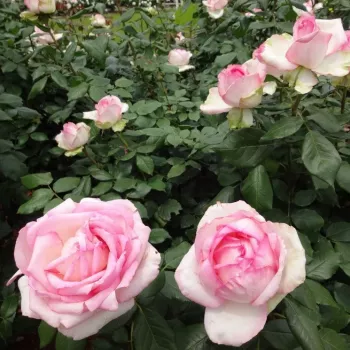
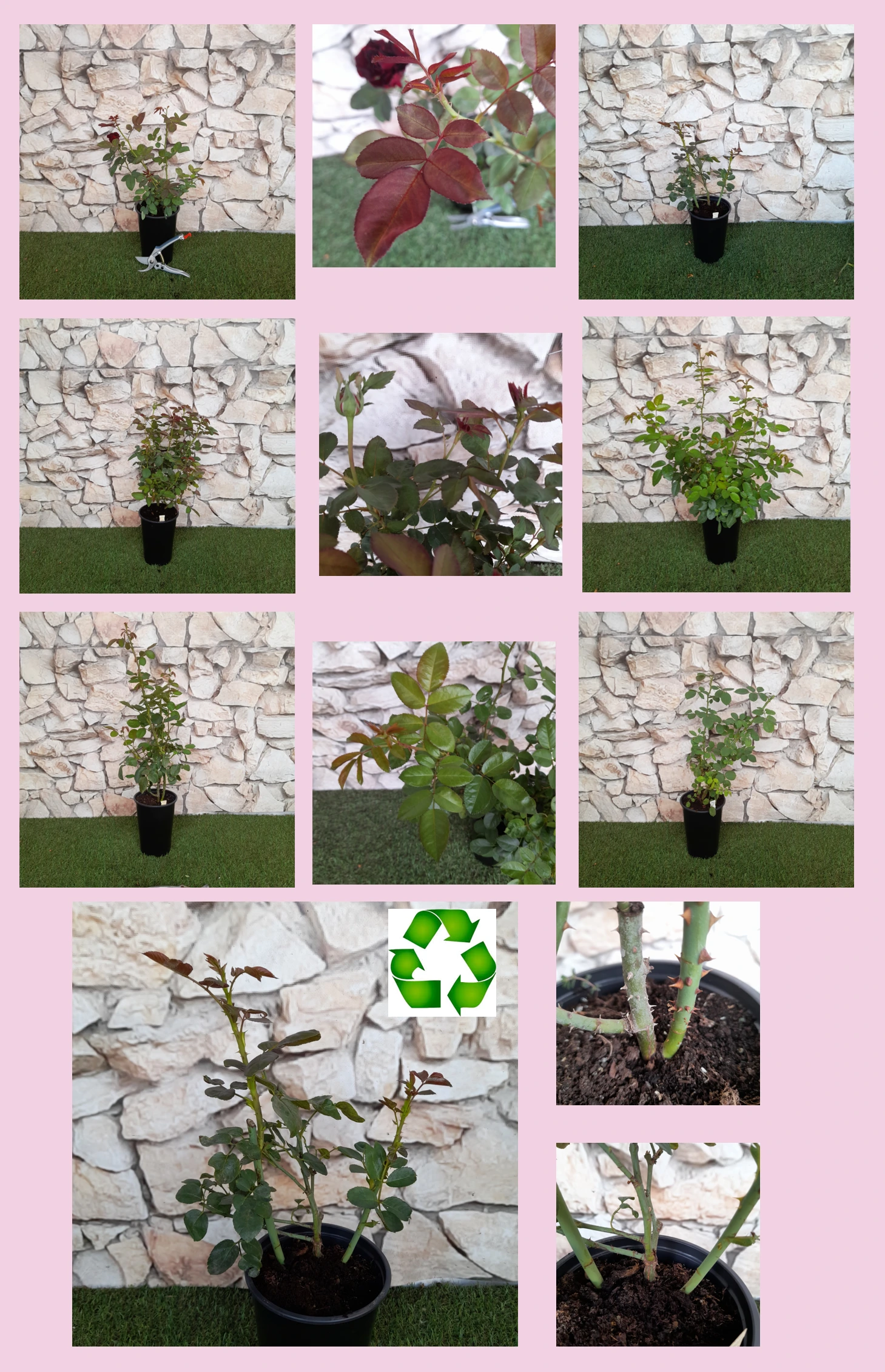
Romantica petals, softly shaded in cream and pink, give HONORÉ DE BALZAC® an effortlessly elegant presence in family gardens and classic cottage settings. This upright, medium‑sized rose forms a compact bush ideal for front gardens and small borders, where you want reliable blooms rather than complex horticulture. As an own‑root plant it settles in steadily, building a long‑lived, well‑anchored shrub that copes confidently with British weather, even in gardens facing wind and frequent rain. With remontant flowering and an especially generous second flush, it offers season‑long display from summer into autumn, while the mild, peach‑like fragrance adds a refined accent along paths and near seating areas. Expect the plant to focus on roots in the first year, push stronger shoots in the second, and by the third year reach its full ornamental potential in your garden.
Usage options
| Target area |
Reasoning |
| Front garden focal shrub |
The upright, medium height and compact spread make this rose ideal as a single focal shrub beside a path or near the front door, giving structured yet romantic flowers without dominating a small space – perfect for the style‑conscious beginner |
| Small mixed cottage border |
Clustered, very full blooms in cream and carmine‑pink mix beautifully with traditional perennials, echoing classic cottage gardens while remaining easy to manage in a narrow border – ideal for time‑pressed homeowners |
| Repeat‑flowering bed of 3–5 plants |
Planted in a small group at 60 cm spacing, the remontant habit and abundant second flush create a dense carpet of colour through summer and early autumn, with simple deadheading to keep beds tidy – reassuring for enthusiastic hobby‑gardeners |
| Feature rose in family seating area |
The medium height and rounded habit sit neatly by a terrace or bench, where the subtle peachy fragrance and soft colouring can be enjoyed up close without overwhelming the space – well suited to relaxed families |
| Front‑of‑house specimen in heavy soil |
As an own‑root plant it gradually develops a stable, deep root system that handles typical British clay borders when drainage is improved, giving a long‑term, structurally secure shrub for exposed front gardens – reassuring for cautious newcomers |
| Part‑shade side garden planting |
Good tolerance of partial shade allows planting on east‑ or west‑facing walls where sun is limited, still providing reliable flowering and healthy foliage without demanding specialist care – practical for busy urbanites |
| Large decorative container (40–50 litres+) |
In a generously sized pot with regular watering, the upright habit and dense foliage form a tidy, movable feature for patios or paved front gardens, combining long flowering with straightforward seasonal care – attractive for terrace‑based gardeners |
| Cut‑flower corner in the garden |
The long‑stemmed, very full flowers make elegant, classic indoor arrangements; planting a small group in an accessible bed allows easy cutting while the bush regrows steadily, keeping both vases and borders attractive – ideal for creative stylists |
Styling ideas
- Cottage‑border romantic – Combine with feverfew and soft blue agastache to echo traditional cottage borders, letting the cream‑and‑pink blooms provide gentle structure – suited to lovers of informal, nostalgic gardens
- Front‑door welcome – Plant a single shrub by the path, underplanted with low lavender or nepeta, to create a calm, fragrant entrance that looks cared‑for with only light pruning – ideal for busy homeowners
- Patio centrepiece – Grow in a 40–50 litre terracotta pot with silver‑leafed companions for contrast, moving it to where colour is most needed through the season – perfect for balcony and courtyard gardeners
- Soft‑toned cut‑flower bed – Arrange 3–5 plants in a small bed, edged with low perennials, to provide a steady supply of classic blooms for vases indoors – appealing to those who enjoy arranging flowers at home
- Calm family corner – Position near a seating area with airy grasses and blanket flowers, where the subtle scent and repeat flowering create a restful, low‑maintenance backdrop – ideal for relaxed family spaces
Technical cultivar profile
| Characteristic |
Data |
| Name and registration |
Hybrid tea rose, registered as MEIparnin; marketed as HONORÉ DE BALZAC® Romantica®. Tea hybrid exhibition type, ARS exhibition name Honoré de Balzac, verified authenticity for consumer gardens. |
| Origin and breeding |
Bred by Alain Meilland, France, 1995 from (Marion Foster × Ave Maria) × Lancôme. Introduced after 1998 by Meilland International and Conard‑Pyle, representing modern French breeding tradition. |
| Awards and recognition |
Holder of the Saverne Silver Medal (1992) and an ADR recommendation in Germany, indicating strong garden performance and ornamental value under independently evaluated conditions. |
| Growth and structural characteristics |
Upright bush 85–115 cm high, 60–80 cm wide, densely foliated with glossy mid‑green leaves and abundant thorns. Forms a compact, structural shrub suitable for beds, borders and specimen use. |
| Flower morphology |
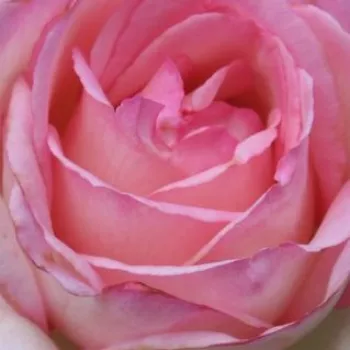
Large, very full double blooms with over 40 petals, spherical to pompon shaped, mostly in small clusters. Remontant, with a notably abundant second flush when properly deadheaded and nourished. |
| Colour data and phenology |
Cream‑white to buttery cream blooms with carmine‑pink margins; colour deepens in cooler weather and may fade in strong sun. Flowers open from cream‑white buds and age to milky white with pink edging. |
| Fragrance and aroma |
Mild yet distinct peach‑toned scent, noticeable at close range without dominating nearby plantings. Primarily valued for its visual impact but adds a gentle aromatic accent along paths and seating areas. |
| Hip characteristics |
Rose hips form sparsely due to the very double flower form; occasional small spherical hips 10–14 mm across in orange‑red tones may appear, offering modest late‑season decorative interest. |
| Resistance and winter hardiness |
Hardy to around −23 to −21 °C (H7, USDA 6a, Swedish zone 3). Medium resistance to black spot, powdery mildew and rust; benefits from good air circulation and routine, timely plant protection. |
| Horticultural recommendations |
Best at 50–60 cm spacing in beds or hedging, 100 cm as a specimen. Prefers fertile, well‑drained soil with regular watering in dry spells and deadheading to compensate for poor self‑cleaning of spent blooms. |
HONORÉ DE BALZAC® offers compact structure, repeat flowering and gentle fragrance in a long‑lived own‑root form that settles deeply into the garden, making it a thoughtful choice when planning a dependable, elegant rose planting.