HONEY DIJON™ – yellow bedding grandiflora rose - Sproul
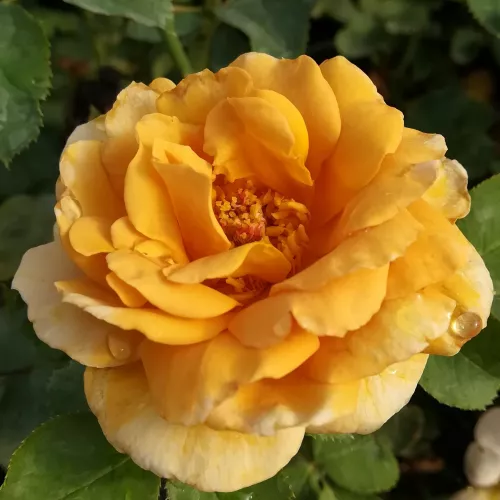
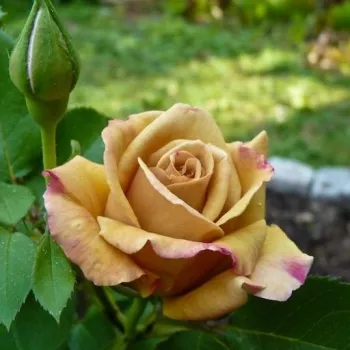
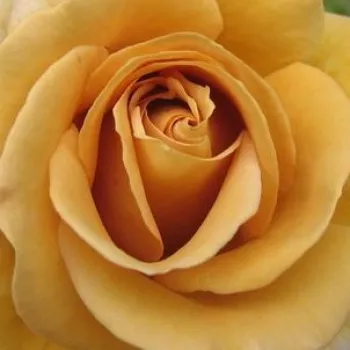
This grandiflora brings a distinctive, caramel-toned charm to compact British gardens, combining colour, fragrance and reliable remontancy in an easy-to-place, upright bush. Its warm honey-gold blooms fit beautifully into cottage-style mixes and neat front borders, while own-root longevity supports a stable, mature plant that copes well once established. You can enjoy its richly scented clusters from a modest footprint, ideal where space is at a premium yet you still want generous cut flowers. In typical UK conditions it appreciates reasonable drainage in heavier soils, helping it ride out wet, breezy spells along with coastal influences. Given a sunny spot and basic care, it moves naturally from year-one root establishment through stronger year-two top growth to full ornamental value by year three, offering accessible elegance for beginners and more experienced gardeners alike.
Usage options
| Target area |
Reasoning |
| Front garden feature rose |
The upright habit and moderate spread make it easy to position beside a path, bay window or doorway without overwhelming a small plot. Its strong, fruity scent is noticeable as you pass, yet the bush keeps a tidy outline with straightforward annual pruning, reassuring busy homeowners. |
| Cutting patch in a family garden |
Large, double, cup-shaped blooms on clustered stems provide generous cutting material from early summer onwards. The flowers hold well in the vase, and repeat reliably after each flush when deadheaded, allowing regular bouquets from a modest planting that feels rewarding for enthusiastic beginners. |
| Small bed or mixed border highlight |
Its warm honey-gold to copper tones blend smoothly with cottage perennials and late-summer accents, giving depth without clashing with existing schemes. The bushy, mid-green foliage builds a solid backdrop over time, so the plant remains visually effective even between flushes, pleasing detail-focused gardeners. |
| Own-root long-term planting |
As an own-root rose it forms its framework gradually in its final position, regrowing reliably from the base after harder winters or pruning. This helps maintain shape and flowering over many seasons without complex techniques, a calm, confidence-building choice for cautious starters. |
| Easy-care family flowerbed |
Medium maintenance needs and moderate disease resistance mean that, in a sunny, open site with reasonable air movement, it can be kept healthy with simple routines rather than intensive spraying. Regular watering during dry spells is usually enough to support dependable flowering for practical families. |
| Containers and large patio pots |
The compact footprint and upright structure suit a substantial container of at least 40–50 litres, where roots have room to develop and support repeat flowering. With consistent moisture and feeding, it becomes a refined, fragrant focal point near seating areas, rewarding balcony or terrace owners. |
| Coordinated group planting (1–5 plants) |
Planted as a small group at the recommended spacing, the uniform antique-gold blooms read as a coherent block of colour from the street. This creates a smart, low-fuss statement bed that works in typical British front gardens, especially where good drainage helps manage wetter, windier spells for design-conscious neighbours. |
| Specimen in a cottage-style mix |
The unusual caramel-honey hue and strong, sweet-fruity scent give it clear character as a single specimen among looser perennials and grasses. It repeats through the season, threading warm notes through the planting and adding structure without stiffness, inspiring romantically minded gardeners. |
Styling ideas
- Cottage-gold – weave Honey Dijon through a loose mix of nepeta, foxgloves and hardy geraniums to soften its upright shape – ideal for lovers of relaxed cottage front gardens.
- Amber-ribbon – line a path with a short run of plants underplanted with low lavender or thyme to frame entrances – suits homeowners wanting tidy structure with gentle scent.
- Patio-centrepiece – grow a single plant in a 50‑litre terracotta pot with trailing lobelia or ivy to spill over the rim – perfect for balcony and terrace gardeners seeking a focal rose.
- Warm-border – combine with Crocosmia, Liatris ‘Kobold’ and ornamental grasses for a late-summer, sunset palette – for design enthusiasts favouring rich, glowing colour schemes.
- Cutting-corner – set 3–5 plants in a dedicated bed with alliums and annuals to give steady stems for the vase – ideal for beginners keen to grow their own cut flowers.
Technical cultivar profile
| Characteristic |
Data |
| Name and registration |
Grandiflora bedding rose; registered as WEKsproulses, marketed as Honey Dijon™ and approved for exhibition as Honey Dijon in the ARS system. |
| Origin and breeding |
Bred by James A. Sproul in the United States from ‘Stainless Steel’ × ‘Singin’ in the Rain’; bred 2003, registered 2003 and introduced commercially in 2005. |
| Awards and recognition |
Bronze medal at the National Rose Trial Garden of Australia in 2003 and First Season Certificate of Merit at the Rose Hills International Rose Trials in 2005. |
| Growth and structural characteristics |
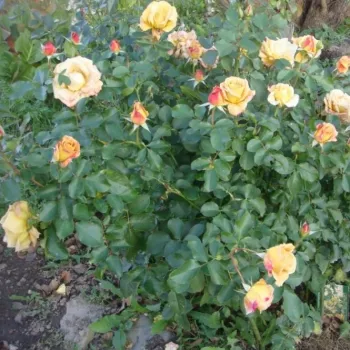
Upright grandiflora shrub reaching about 110–150 cm in height and 75–105 cm spread, with dense, glossy mid-green foliage and a moderately thorny framework. |
| Flower morphology |
Large, double, cup-shaped blooms with 26–39 petals, usually borne in clusters of three to five per stem, repeating freely with a plentiful second flush in suitable conditions. |
| Colour data and phenology |
Warm honey-gold with caramel and bronze tones; ARS yellow blend, RHS 165A outer and 164A inner; colour deepens in cool weather and fades to lighter beige-gold in heat. |
| Fragrance and aroma |
Strong, sweet, fruity fragrance that is long-lasting on the bush and on cut stems, adding notable scent value for planting near paths, terraces and cutting gardens. |
| Hip characteristics |
Occasional small spherical hips form, about 10–14 mm in diameter, coloured orange-red; ornamental rather than abundant, and not usually a dominant feature of the plant. |
| Resistance and winter hardiness |
Hardy to around −21 to −18 °C (RHS H7, roughly USDA 6b); medium tolerance of heat and drought with regular watering, and medium resistance to black spot, mildew and rust. |
| Horticultural recommendations |
Prefers a sunny, well-drained site; spacing 55–100 cm depending on use; suitable for beds, hedging, containers and cut flowers, with occasional pest and disease control as needed. |
Honey Dijon™ Bedding rose WEKsproulses offers rich fragrance, repeat flowering and compact, upright growth on a durable own-root plant, making it a thoughtful choice if you would like a distinctive yet manageable rose.