HELLA® – white climbing rose – KORditwol
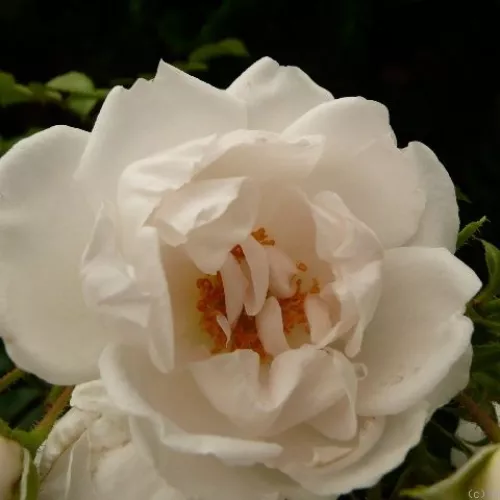
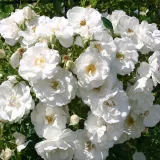
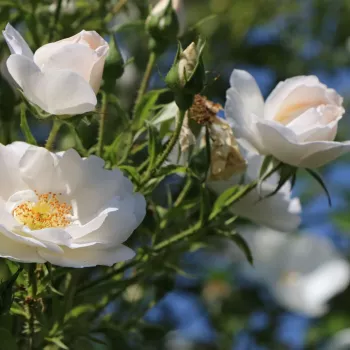
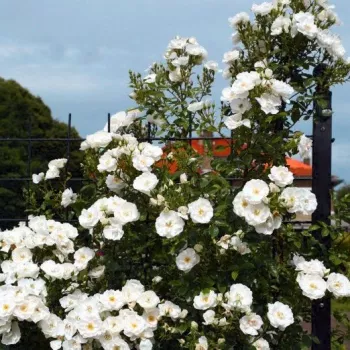
Climbing HElla® brings clean, cool white clusters of semi-double blooms that repeat reliably all summer, creating a bright vertical accent for pergolas, arches and walls in everyday British family gardens. Its abundant flowering sits on moderately dense, dark green foliage, with growth reaching around 2–3 m, giving you reassuring coverage without overwhelming smaller spaces. Bred by Kordes and holding ADR status plus international trial medals, it offers proven garden reliability and resilience with only medium maintenance. As an own-root plant, it forms a stable, long-lived framework that regenerates well after pruning, supporting a calm, low-input approach to care. In its first year it puts energy into roots, in the second into shoots, and by the third year delivers full ornamental value. The semi-double, open flowers are moderately attractive to pollinators, adding gentle wildlife interest alongside their display. Its tolerance of partial shade suits typical around-the-house situations where sun is limited for part of the day. Ideal where you want an elegant, tidy rose that copes well with breezy, damp British weather and heavier soils when given reasonable drainage. Whether you are an experienced gardener planning a new vertical feature or a beginner wanting straightforward success, this versatile rose offers dependable performance, long-term structure and quietly impressive longevity.
Usage options
| Target area | Reasoning |
|---|
| Pergola or rose arch over a main garden path |
The 2–3 m climbing height and moderately dense foliage make this rose ideal for dressing a pergola or arch without creating an oppressive tunnel. Reliable repeat flowering means fresh white clusters through the season, guiding visitors with a bright, classic look. Own-root growth gives good framework regeneration after pruning, so the arch keeps its structure year after year for beginners. |
| Wall training near the front door |
Clear white flowers against dark green leaves create a clean, welcoming façade on brick or render, echoing traditional British front gardens. Medium maintenance needs suit homeowners who can manage occasional pruning and basic pest checks but prefer a robust, forgiving variety. Partial shade tolerance allows planting on aspects that only receive sun for part of the day, making it practical for many householders. |
| Freestanding rose pillar or obelisk in a small border |
Its 2–3 m growth can be neatly tied to a pillar or metal obelisk, giving a striking vertical accent that does not take much ground space. The semi-double blooms show yellow stamens that draw useful pollinator activity into compact gardens. Own-root stability and moderate prickliness make seasonal training manageable, supporting those who want a smart structure without complex rose work for newcomers. |
| Fence or property boundary screening |
Planted at the recommended wider spacing, this climber softens fences with repeated flushes of white clusters while still allowing air movement, reducing disease pressure. The ADR award and trial medals signal sound health under typical conditions, keeping interventions relatively light. Over time, the own-root framework anchors the plant securely, supporting a calm, long-term approach for planners. |
| Cottage-style mix with perennials in a front garden |
The cool white flowers blend effortlessly with traditional cottage perennials and grasses, providing a gentle vertical anchor behind lower planting. Semi-double clusters feel informal yet tidy, fitting both classic and updated cottage schemes. The rose’s dependable repeat bloom and moderate care needs support a pretty but not labour-intensive border, ideal for aesthetically focused owners. |
| Small group of climbers on a shared structure |
Using 1–3 plants along a pergola beam or long archway allows the moderately dense foliage to knit together into an elegant screen. Recommended planting distances help avoid overcrowding, supporting airflow and easier maintenance. Own-root habit ensures that if one stem is damaged, new shoots can be trained in over time, suiting patient, design-conscious gardeners. |
| Climbing rose in a large container on patio or terrace |
In a 40–50 litre or larger container with sturdy support, this climber delivers vertical interest where soil access is limited. Its moderate maintenance requirement translates well to pots: regular watering and feeding, plus simple annual pruning, are usually sufficient. The semi-double, lightly scented blooms offer a refined backdrop to seating or dining areas, appealing to busy urban residents. |
| Coastal or exposed, damp-prone site with improved soil |
With ADR backing and sound general resilience, Hella® suits many British situations where wind and humidity can challenge more delicate roses, provided drainage is improved on heavy clay or wetter spots. Planting in a raised bed or well-prepared border helps the own-root plant establish a robust framework that better withstands breezy, damp conditions, aligning with gardeners who value dependable, unfussy solutions. |
Styling ideas
- Porchframe – Train Hella® around a simple timber or metal frame at the front door, underplanting with low Heuchera and dwarf grasses for a soft welcome – ideal for homeowners refreshing a classic façade.
- Cottagearch – Combine this white climber on an arch with pastel foxgloves, nepeta and hardy geraniums along the path for a relaxed, romantic entrance – perfect for cottage-garden enthusiasts.
- Monochrome – Pair the cool white blooms with silver foliage and blue Carex flacca ‘Blue Zinger’ along a fence for a restrained, elegant palette – suited to design-led, minimalist gardeners.
- Patiofocus – Grow it in a 50-litre container with an obelisk, surrounded by potted herbs and compact shrubs to create a vertical focal point on terraces – attractive for balcony and courtyard owners.
- Wildfriendly – Let semi-double clusters mingle with pollinator-friendly perennials and leave the occasional hip for autumn colour and wildlife – for nature-aware families seeking gentle biodiversity.
Technical cultivar profile
| Parameter | Data |
|---|
| Name and registration |
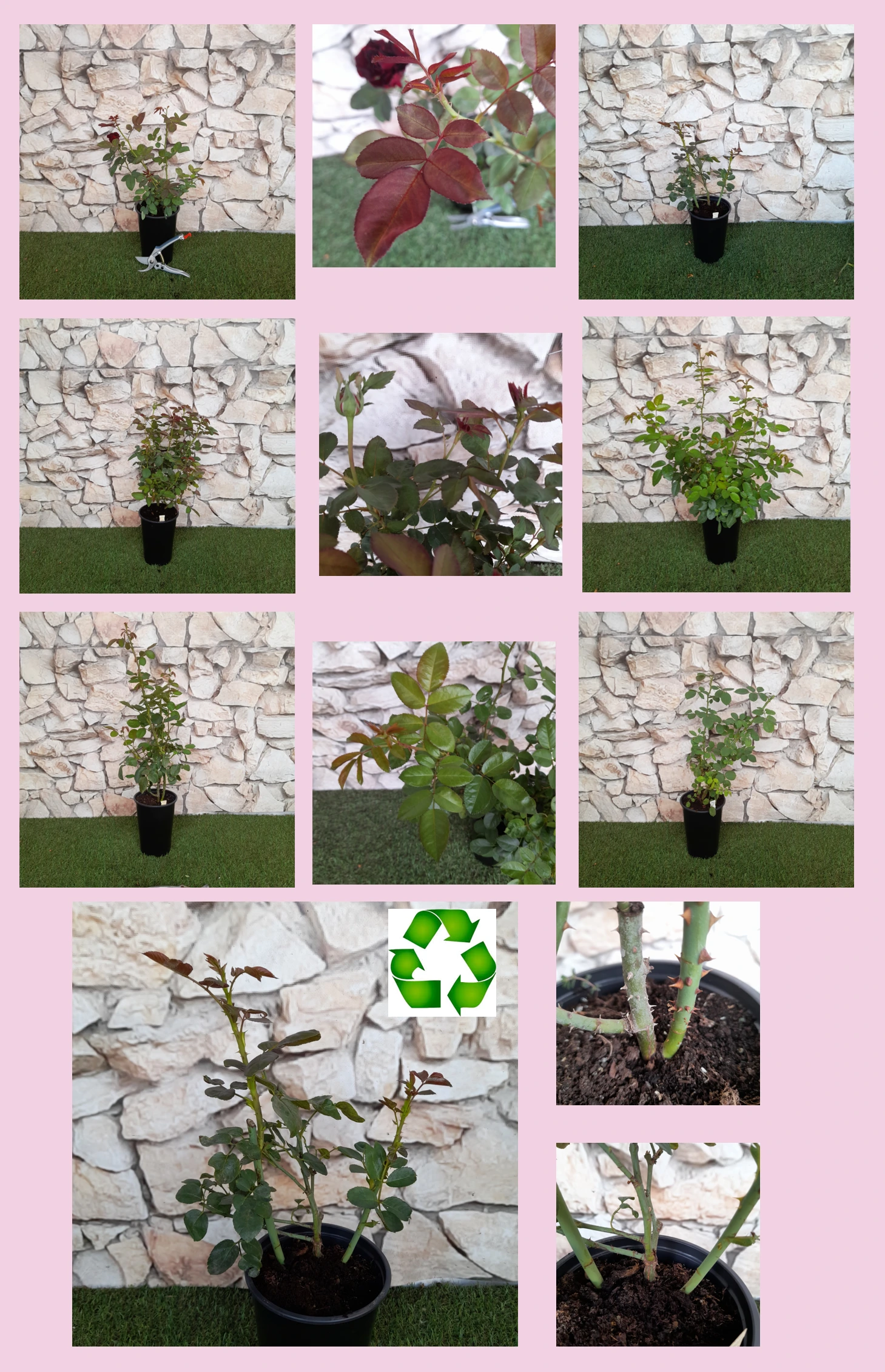
Modern Climber; registered as KORditwol, marketed as Hella® climbing rose. ARS exhibition name Hella. pharmaROSA® ORIGINAL 2-litre own-root, premium bronze quality, authenticity verified for garden use. |
| Origin and breeding |
Bred by Tim-Hermann Kordes, W. Kordes’ Söhne, Germany, from unnamed seedlings; breeding year 2003. Registered 2011 with US plant patent; introduced internationally after 2011 by Kordes. |
| Awards and recognition |
ADR-certified in Germany (2010) for garden performance. Gold Medal at Tokyo International Rose Trials (2010) and Bronze Medal at Baden-Baden International Rose Trials (2010), confirming ornamental and garden value. |
| Growth and structural characteristics |
Climbing habit reaching about 200–330 cm high with a 60–120 cm spread. Moderately dense, dark green, slightly glossy foliage; moderately thorny shoots. Forms a stable, trainable framework on suitable supports over time. |
| Flower morphology |
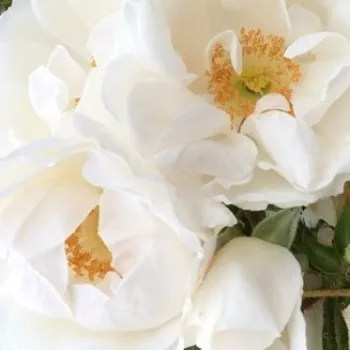
Semi-double, cupped flowers with roughly 13–25 petals, produced mainly in clusters. Large blooms about 2.75–3.95 inches across, repeatedly through the season with a strong second flush; self-cleaning behaviour not documented. |
| Colour data and phenology |
Clear, cool white flowers (ARS W; RHS 155C outer, 155D inner). Buds ivory with slight green tint; open snow-white with yellow stamens. Petals age to slightly creamy white, stamens turning golden brown; colour retention generally very good. |
| Fragrance and aroma |
Fragrance is very weak and barely noticeable, so this cultivar is selected more for visual effect than scent. Semi-double, open blooms with visible stamens offer moderate attractiveness to pollinating insects in mixed plantings. |
| Hip characteristics |
Occasionally forms small, spherical hips about 8–14 mm in diameter. Hips are orange-red (RHS 42A), adding subtle late-season interest; not typically used for decorative harvest or culinary purposes in most gardens. |
| Resistance and winter hardiness |
Rated H7 RHS; hardy approximately to −26 to −23 °C, USDA Zone 5b and Swedish Zone 4. Disease resistance moderate to powdery mildew, black spot and rust, so basic monitoring and timely care remain advisable. |
| Horticultural recommendations |
Best on pergolas, arches, walls or fences with 140–250 cm spacing depending on use. Plant 0.4–0.5 plants/m² for massing. Tolerates partial shade; prefers well-drained soil, structural support and routine pruning for framework renewal. |
HELLA® – white climbing rose – KORditwol offers reliable repeat flowering, graceful vertical structure and long-term own-root durability, making it a thoughtful choice for gardeners seeking a dependable, elegant climber.